Israel’s moment of truth: Knesset election pivotal to future US-Israel relationship - opinion
Israel must make some crucial decisions about its own conduct. The fate of the US-Israel alliance could hang in the balance.

Israel must make some crucial decisions about its own conduct. The fate of the US-Israel alliance could hang in the balance.


Israel has invested heavily in public diplomacy, but can its government bodies coordinate effectively to improve its global image?

Israel faces a critical democratic test as Netanyahu’s government escalates its attacks on dissent and opposition voices ahead of the election.
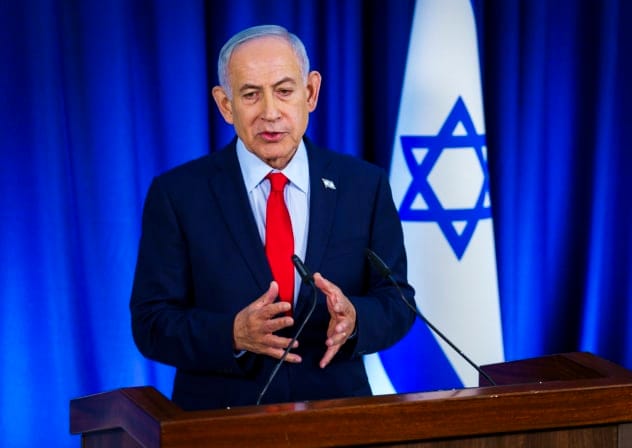
I do not believe that a well-functioning national unity government – which is what Israel most urgently requires – is an option, as long as Netanyahu is still the leader of the Likud.

Women hold roughly a quarter of Israel’s parliamentary seats. The next Knesset must give them greater influence over budgets, policy, and the country’s future.

A protest does not speak for every student. A hashtag does not represent every young adult. And the most hostile voices on social media do not have the final word on the future of Israel.

The current government has many naysayers, but nobody can deny that what they have achieved on the battlefield is historic. However, the progress could unravel if the missions are not completed.

The Mossad realized that America had no understanding of the emergence of a rogue and savage regime in Tehran. Not only had they failed to read Khomeini’s playbook; they didn't even know the Quran.

The test for any coalition should be whether it can protect the country while governing responsibly at home and maintaining credibility abroad.

Netanyahu is the reason why Iran has not yet managed to build a nuclear bomb. Netanyahu saw the writing on the wall, 30 years ago. He was the Churchill of the day then, and he still is now.

Israel’s history demonstrates that in times of national emergency, a unity government is not an undesirable compromise but the most appropriate response to the challenges of the moment.
