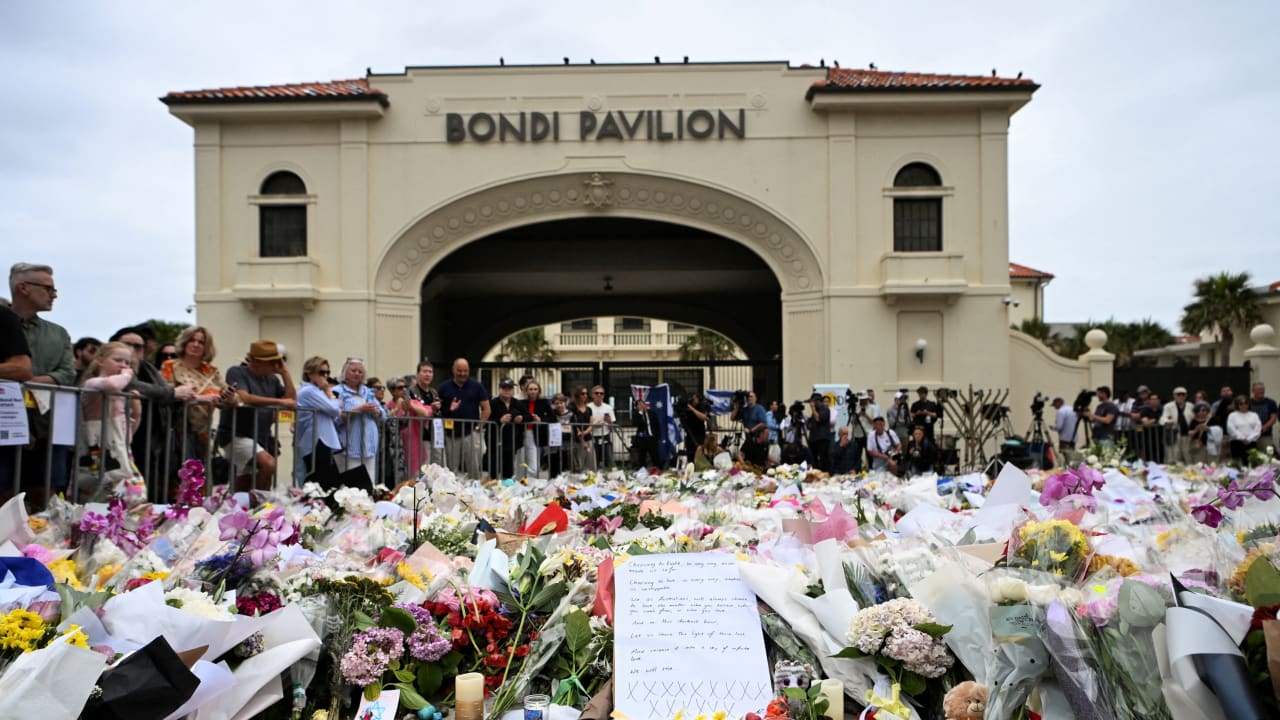
This week, as students return to class for a new year and we look toward the horizon of 2026, it is impossible not to reflect on the terror and antisemitism that swept across the world in 2025 – from Bondi Beach to Manchester UK to the streets of New York.
Following the attacks that took place over Hanukkah, I watched students come together here in New York to mark the holiday, knowing full well that families were murdered for doing exactly the same thing halfway across the world.
The message of attacks like these is clear: Jewish communities are under threat, everywhere.
As the president of the largest university under Jewish auspices in the United States, my responsibility extends beyond keeping students safe here on campus. It includes helping the next generation understand that they have a role to play in changing the course of the world in which we all live.
But the truth is, it goes beyond our students alone.

Putting an end to hate
To put an end to the troubling pattern of hate we see each holiday, we need more than condemnation and speeches from our leaders. We need a strategic response – one that is sustained, coordinated, and serious. That means a top-down approach led by government, paired with a bottom-up model led by universities and educators.
Only a dual pronged approach like this can bring light to the darkness others intend on spreading.
Sadly, in too many places, we aren’t seeing enough of either – and the crisis of antisemitism has once again become a global emergency.
In the two years between the Hamas attacks and the attack at Bondi Beach, more than 3,700 anti-Jewish incidents were reported in Australia alone. Jewish communities raised alarms and expressed concern, yet in many cases those warnings went unheeded, and meaningful preventive action failed to materialize.
Across Europe, there has been a 46% increase in antisemitic attacks since 2024, forcing synagogues and Jewish institutions to operate under armed guard. While 130 mayors convened to address this spike, little action has been taken beyond the meeting, and a grassroots strategy to counter antisemitism has yet to be identified.
In the United States, college campuses have faced a reckoning of their own. Antisemitic incidents have reached record highs. While many campuses have been called to task by the federal government, there has been little coordination across educators and universities to drive the kind of significant cultural change that lasting progress requires.
Exacerbating all of this is the speed with which social media now rapidly amplifies hatred and misinformation, turning fringe ideas into mainstream threats in the blink of an eye.
Action is necessary
Moving forward, governments must do more than issue thoughts and prayers. They must act.
First and foremost, they must listen to the communities most at risk. What happened in Australia should be a warning sign about what can happen anywhere. Governments must establish clear, enforceable policies from the top-down that protect the freedom of all people to worship without fear of violence, harassment or retribution, and they must hold accountable those who violate those protections.
Furthermore, leadership cannot be fleeting. To root out antisemitism and hatred in all its forms, elected leaders must maintain a consistent and visible presence, affirming not only their support for these policies but for the values they are meant to protect and uphold.
Finally, greater coordination is essential. If governments convene to address global crises – from climate change to the war in Ukraine – then the epidemic of antisemitism must also command sustained international attention. Hatred does not respect borders, and neither can the effort to stop it.
But government action alone will not be enough.
The role of education
From the bottom up, we must take every opportunity to educate citizens about the scourge of antisemitism. As leaders of universities, this is our responsibility to take a leading role.
To make meaningful change, education must be a key component of the solution. By incorporating coursework that examines the history, dangers, and modern manifestations of antisemitism and religious hatred into curriculum, universities can help cultivate a more informed and resilient society.
And by encouraging peer-to-peer engagement, students can carry that knowledge beyond the classroom, multiplying its impact within their communities.
To be sure, education alone cannot eliminate centuries-old prejudices, nor can governments prevent every act of violence. Balancing security with democratic values is complex. But complexity cannot become an excuse for inaction – especially when the cost of inaction is measured in lives.
As we enter a new year, we must not simply wipe the slate clean but learn from it.
Educators must take the first move to engage the next generation, and leaders must be among the first to listen and protect communities who share their fears. We cannot wait for the next tragedy to act – this responsibility belongs to all of us.
This combined strategy has the ability to light the path toward a better future for all.
The writer is the president of Touro University.