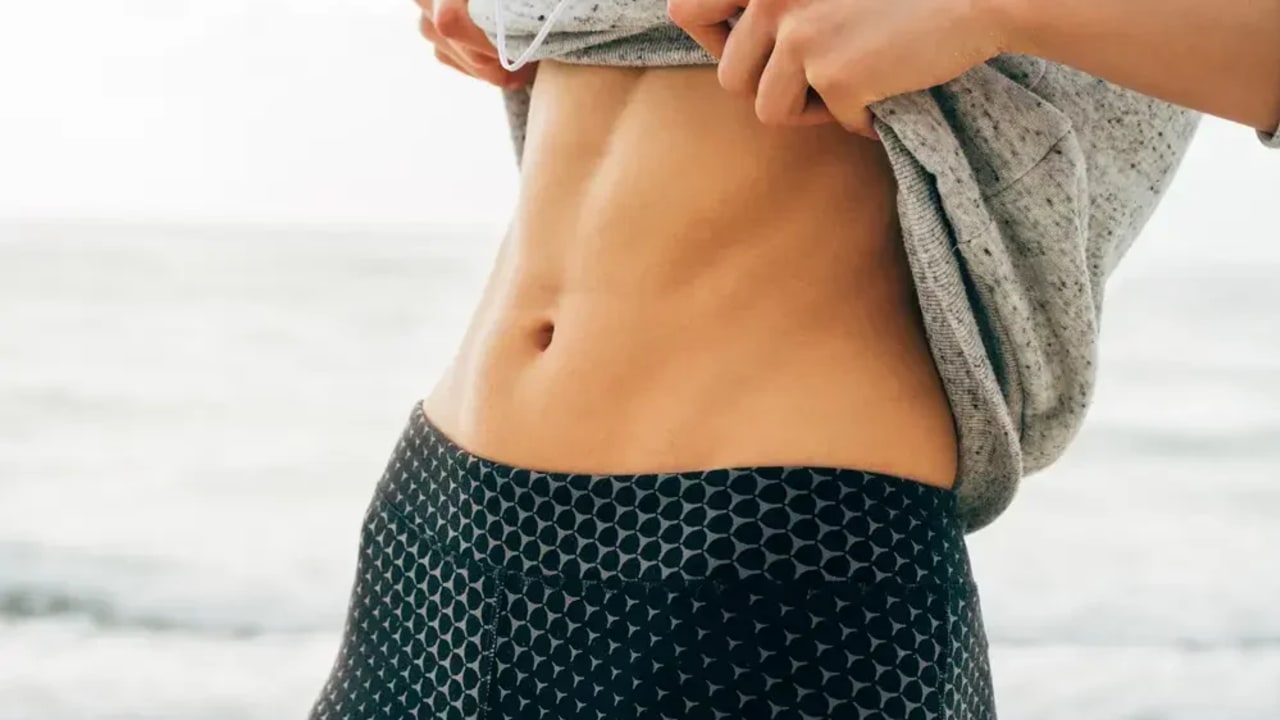
Even in a challenging reality, we try to maintain a routine – and that sometimes includes events, family gatherings, or simply moments when we want to feel better in our bodies. A wedding, a photo shoot, an exciting meeting, or an important evening – in most cases, we want to look slim, feel light, and avoid the feeling of bloating.
Even if the last few days haven’t been particularly “healthy” – maybe you overindulged a bit, or that ready-made cabbage salad left you bloated – it’s still possible to change direction. A small and focused dietary change in the two days leading up to the event can leave you with a much more comfortable feeling in your stomach – and with clothes that fit exactly as they should.
This isn’t magic, nor a ridiculous “detox” – it’s a simple method that reduces bloating, not fat. And let’s admit: Sometimes, that’s all we need.
<br>What Causes Belly Bloating?
- Certain vegetables (especially cruciferous ones – broccoli, cauliflower, cabbage) can create gas during digestion.
- Chewing gum, carbonated drinks, and diet snacks with artificial sweeteners – all these introduce or create gas in the belly.
- Milk: Can cause bloating especially for those sensitive to lactose, even if not officially diagnosed.
- Legumes: Contain sugars that aren’t fully broken down in the small intestine and ferment in the colon, producing gas.
- Excess fiber: Especially insoluble fiber, can burden digestion and cause gas buildup if you don’t drink enough water.
Broccoli causes the stomach to bloat (credit: Matan Choufan, Walla System)

Two Days in Advance – A Bloating-Reduction Menu
Day One – Preparation Begins
Eat normally in the morning and afternoon, but start paying attention in the evening:
Dinner – No Vegetables!
Yes, you heard right. No salad, no chopped veggies, no oven-roasted vegetables. Why? Because vegetables digest slowly, cause bloating, and gas – especially when eaten in the evening.

Instead:
Bread + egg / cheese / tuna
A hot meal like chicken breast + baked potato
Any simple combo without hard-to-digest fibers
Day Two – The Critical Day
Now it’s time to be more precise.
Morning: Eat as usual.
Lunch:
Chicken / fish – grilled or steamed
4 tablespoons of a carb side dish: Mashed potatoes, ptitim (Israeli couscous), rice
One vegetable allowed: Cooked beetroot (yes, it doesn’t cause gas!)
Afternoon Snack (around 16:00): Regular coffee with a snack/cookie/fruit – preferably a banana (less gas)
Dinner:
No vegetables again.
Options:
Whole grain toast with yellow cheese
Shakshuka (without salad on the side!) One vegetable is allowed, e.g., chopped tomato
Nighttime: 3-4 dried plums (help prevent constipation without bloating the belly)
Meanwhile – Start Reducing:
Carbonated drinks
Chewing gum
Diet snacks or yogurts with aspartame
Legumes, hummus, fava bean spreads
Cruciferous vegetables (cabbage, broccoli, kale, turnip)
Red bell pepper
Important: Drink plenty of water. Preventing constipation is part of the goal – otherwise, the belly won’t flatten.
Day Three – The Day of the Event
The goal: Avoid putting anything into the body that could cause bloating. Everything should be calm, easily digested, and familiar to the stomach.
Morning: 3–4 rice/buckwheat cakes with a bit of cheese or jam + tea
Snack: Date snack or 2 dates + walnuts or 15–20 almonds
Lunch:
2 slices of whole grain bread
Yellow cheese + 1 or 2 hard-boiled eggs (no vegetables on the side!)
Afternoon: Rice cakes with jam or a small snack, tea or coffee (without milk – it may cause bloating)
Evening? You’ve reached the event. The belly is already flat, the pants fit well, and the jacket buttons up.
<br>This Is Not a Diet!
Note – this is not a recommendation to eliminate vegetables from your daily diet – quite the opposite.
In day-to-day life, vegetables are one of the most important components of a healthy diet:
They fill the stomach without overloading it with calories
They contribute to a lasting feeling of fullness (even more than the trendy weight-loss injections!)
They are rich in dietary fibers essential for proper digestive function
They provide vital vitamins like vitamin C, vitamin A, folic acid, vitamin K
They contain minerals you can't live without – especially potassium, which balances blood pressure and supports muscle and heart function.
Temporarily avoiding vegetables in the two days before an event is meant only to reduce short-term bloating – and the day after, it’s very important to return to including them in every meal.
<br>A Few More Important Notes:
This is not a weight-loss diet, but a way to reduce gas and bloating.
Don’t do this regularly – vegetables are crucial for a healthy diet.
If you suffer from chronic bloating – it could be due to bacterial imbalance in the gut, sensitivity to certain foods, or the need for a deeper dietary adjustment.