An 11-month-old infant with no underlying conditions, who had not yet been vaccinated, died on Thursday in Jerusalem from measles complications, according to Hadassah Ein Kerem Hospital.
The case comes as health authorities report most of Israel’s recent measles fatalities were healthy, unvaccinated infants.
The infant was transferred on Wednesday to Hadassah Ein Kerem from another hospital in critical condition, the hospital said. She was connected to an ECMO machine as the pediatric intensive care team fought for her life, but her condition deteriorated, and she was pronounced dead on Thursday evening.
The Health Ministry reiterated that children should receive two MMR doses, at age one and again at age six. In outbreak zones, the second dose has been moved to 18 months, and for travel to or residence in outbreak areas, a non-routine additional dose is recommended for ages 6–11 months as a booster.
How measles spreads and typical symptoms
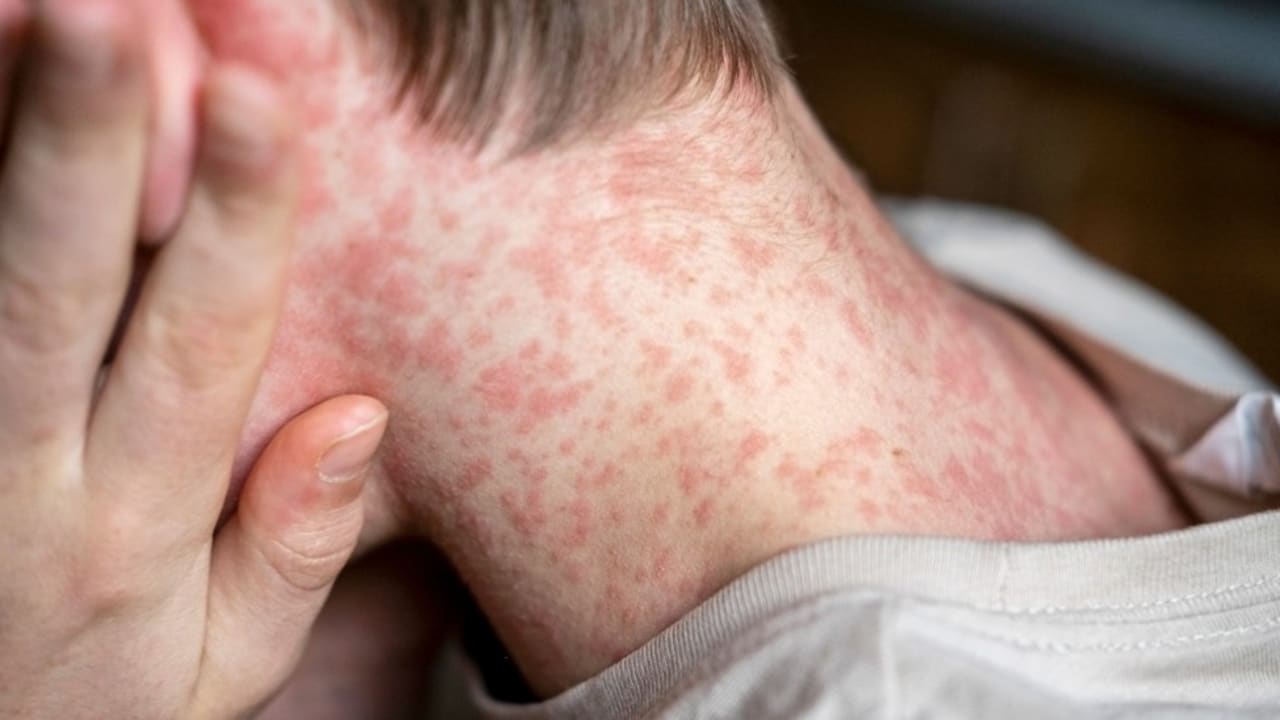
Measles is a highly contagious viral illness spread through airborne droplets from coughs or sneezes, infecting more than 90% of unvaccinated people who are exposed. Symptoms usually appear about two weeks after infection and include high fever, runny nose, dry cough, red eyes, and a characteristic rash that begins on the face and spreads.
Most patients recover within days, but serious complications can occur, especially in infants, pregnant women, and people with weakened immunity. Potential complications include pneumonia, encephalitis, and, rarely, the degenerative brain disorder SSPE that can emerge years after recovery.

Under Israel’s routine schedule, the first MMR dose is given at 12 months and the second in first grade. Infants under one are not routinely vaccinated, but early vaccination may be considered between six and 12 months after exposure or before international travel; routine doses must still be given at the appropriate ages.
Parents can check their children’s vaccination status in the government’s digital vaccination record. Children under six are vaccinated at Tipat Halav clinics, while children aged 7 and older and adults receive vaccinations through their health funds. Unvaccinated individuals or those with only one dose should complete the series if at least four weeks have passed since the last dose. Adults born before 1957 are generally considered immune due to likely childhood exposure.
After confirmed exposure, recommendations differ by age and immune status. Unvaccinated individuals, including infants, pregnant women, and immunocompromised individuals, may receive an active MMR dose within 72 hours or immune globulin within 6 days, depending on clinical guidance. Children who receive immune globulin should wait at least six months before routine vaccination.
Healthcare teams follow strict infection-control procedures. Symptomatic patients are placed in airborne isolation, staff wear N95 masks, and patients are moved to closed, well-ventilated rooms. Diagnosis is performed with PCR testing from urine or throat swabs, which can detect the virus before the rash appears, followed by an epidemiological investigation to trace contacts and prevent further spread.