Parasha
Parashat Lech Lecha: Having the courage to stand alone
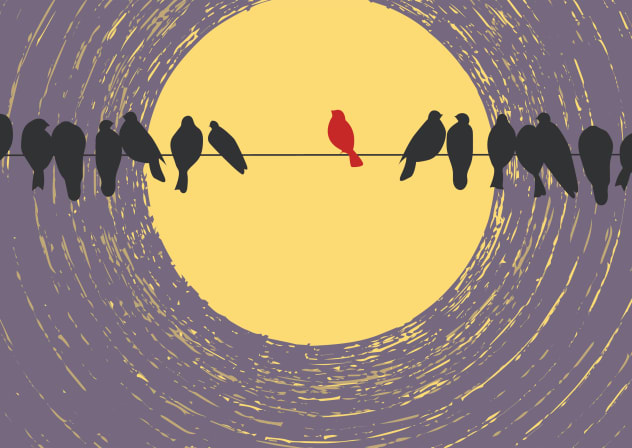
Abraham’s willingness to stand alone would become a defining feature of our nation. As his descendants, we would desperately need that same strength.

Parashat Lech Lecha: There is no wisdom like that gained through experience

Parashat Bereishit: The world of water

The imagination that began it all: The Persian-Jewish poet bringing Genesis back to life - opinion
Parashat Noah: Olive leaf from paradise
Even now, our hearts beat together with those of the heroes and freed hostages, who for two years suffered in the tunnels of darkness and the shadow of death.
Message of Isaiah in Parashat Noah: Expanding Israel's borders a vision of redemption after exile
Just as Noah emerged from the ark to rebuild civilization, Israel emerges from centuries of dispersion to rebuild its land and infuse it with holiness.

Parashat Noah: The gift and the duty
Miracles should serve as wells of faith for the future. Before we begin our daily prayers, we recall past miracles and past redemptions.

The Women’s Parsha Slam: Giving women a voice on Simchat Torah
Perhaps my favorite part of the Parsha Slam is knowing that beyond the event itself, women who never saw themselves as Torah teachers or public speakers take the mic and share.

Parashat Bereshit: The Israeli hostages and the Haftorah
The images of young men starved and tortured in propaganda videos released by their evil Hamas captors seared the conscience of our people.

Parashat Bereshit: The lesson of Cain
A person who lives wrongly not only harms himself but also those around him.

Haftarat Ha’azinu: A song for our time
As we celebrate Sukkot this year, amid the shadows of Oct. 7, let us draw strength from the songs of Moses and David.

Parashat Ha’azinu: Between heaven and Earth
Between heaven and Earth lies a sheltering presence, a glimpse of eternity, and the promise of unity beneath the wings of the divine.

Parashat Nitzavim: Isaiah on 'hasbara'
If Israel raises its voice with confidence and persistence, its light will break through, its righteousness will be seen by the nations, and its glory acknowledged even by kings.
Parshat Re’eh: Being engaged to God
We, the Jewish people, will find the courage to move beyond engagement, to build our home with God in Jerusalem, and to begin a new chapter in our ancient story.
