Parasha
Parashat Lech Lecha: Having the courage to stand alone
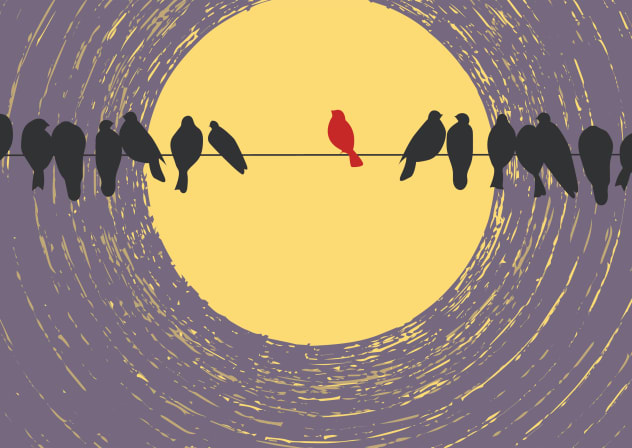
Abraham’s willingness to stand alone would become a defining feature of our nation. As his descendants, we would desperately need that same strength.

Parashat Lech Lecha: There is no wisdom like that gained through experience

Parashat Bereishit: The world of water

The imagination that began it all: The Persian-Jewish poet bringing Genesis back to life - opinion
Parashat Eikev: Service of the heart
Prayer is one of the foundations of Judaism. A hallmark of the eternal Jew is speaking with his creator...Is it reasonable that such a central mitzvah is not directly addressed in the Torah?

Parashat Va’ethanan: ‘This good mountain’
What is this “good mountain” Moses refers to, and what is “the Lebanon”?

Parashat Devarim: 'And from my students more than from all'
This dynamic of student inquiry and the teacher’s patient, honest response is essential for effective and meaningful learning – for both the teacher and the student.

Parshat Matot-Masei: Our stops along the way
Prayer can be an oasis along the way. Prayer can also parallel the journeys we take in life.

Parashat Matot-Masei: The gravitas of gratitude
Moses, the father of the nation, paved a path for generations to come: Nothing justifies an act of ingratitude. Ingratitude is never warranted in any situation.

Parashat Pinchas: Every Jew is torn between hope and history
Moses does not stand alone on Nevo – we stand with him. Together, we gaze toward a future we build but may never fully enter. Together with him, many Jews look toward a land they may never cross.

Parashat Pinchas: Zealotry: The impetus to do the right thing
The story of Pinchas reminds us that even someone who once acted boldly in zeal can also become a leader of peace and understanding.

Parashat Balak: Others’ privacy is sacrosanct
Compassionate eyes and a kind heart – yes. Probing eyes and a gossiping tongue – no.

Parashat Chukat: Simple faith
Faith – even when things don’t make sense. Faith – even when life is hard. Even when we have questions, we will always remain steadfast in our beliefs.

Parashat Chukat: Red ashes, endless skies
The war with Iran was something else entirely. It was swift. It was decisive. It was beyond imagination. It felt branded by God Himself.
