


What is the connection between Zionism and planting trees in Israel?
Trees have repeatedly been destroyed by war, fires, and other causes, but we have always planted again as an expression of Jewish resilience and rebuilding.

Parashat Re'eh: The tyranny of ‘one’ truth
An age of prophecy should have been an age of clarity. If God spoke directly to humanity, the path forward ought to have been unmistakable.

Parashat Eikev: The things we step on
Parshat Eikev teaches that the greatest threats to our values begin not with rejecting them, but with neglecting the small practices that keep them alive.
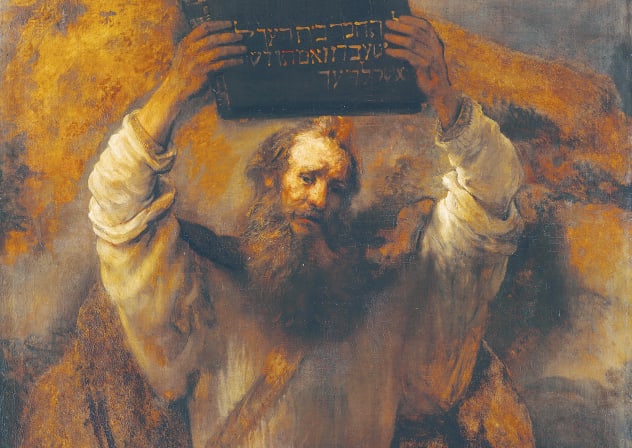
Parashat Va'ethanan: Behind the curtain
At Sinai, the people were instructed to remain outside the boundary. In the Sanctuary, the holiest place stood behind a curtain.

Tisha B’Av: Can Jews mourn destruction while witnessing national rebirth?
Rabbi Akiva’s smile offers a model for Tisha B’Av, allowing Jews to grieve past destruction while recognizing the beginnings of restoration.

Parashat Matot-Masei: Don’t borrow identity
Public debate has become louder, more bitter, and less capable of self-correction because opinions have hardened into identities.

Like Moses, Israel needs leaders who understand different perspectives - opinion
Moses defined the quality every great leader needs: the ability to understand every human spirit.

Parashat Balak: What is the price of aloneness?
In a highly integrated world, the isolation of the State of Israel is itself a strategic risk. Some voices in Israel deride this issue or dismiss concerns about how we are viewed.

Parashat Hukat: The red heifer's lesson in an age of multitasking and fragmentation
We strive to understand divine will, but when our understanding falls short, we do not walk away from obedience. Commitment to divine command remains the bedrock of religious life.

Parashat Korah: Misreading intentions
Korah's rebellion shows how mistrust and competing narratives destroy dialogue, as reflected today in Israel’s haredi draft divide.
