
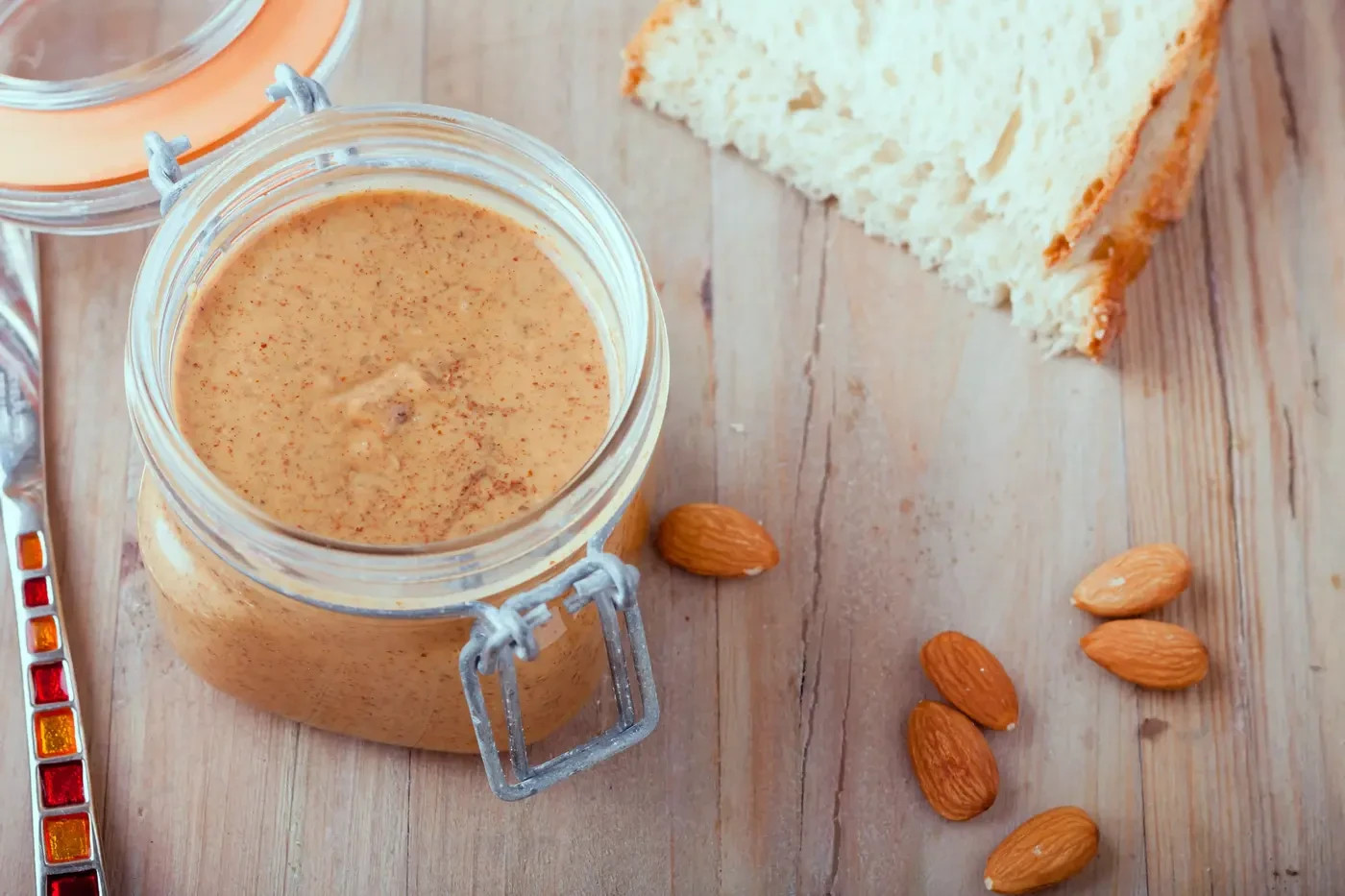
A listener asked me this week about pumpkin seed butter that she prepares at home: Once you grind the seeds into a spread, does the nutritional value remain the same? The short answer is yes, and in some ways it is even better.
When it comes to nut, almond, or seed butter prepared from the ingredient itself, without unnecessary additions of sugar, hydrogenated oils, or flavorings, most of the nutritional value is preserved. Moreover: Because everything is ground, some of the components may be more available for absorption, as the body does not have to break down a whole seed or nut that is not always fully chewed.
Nutritional value of nuts, almonds, and seeds
Nuts, almonds, and seeds are among the most nutritionally concentrated foods:
High quality fat
They contain a high percentage of fat, but it is important to understand that this is primarily high quality fat, mainly monounsaturated and polyunsaturated fat, which is linked to cardiovascular health. This is not fat that one needs to "be afraid of," but rather fat that one should know how to integrate correctly in the right amount. Alongside the fat, they also contain high quality plant protein, dietary fiber, and a variety of important minerals.
Important vitamins and minerals
Almonds, for example, are particularly rich in magnesium, calcium, and vitamin E. Pumpkin seeds stand out for their magnesium, zinc, and iron content.
Sesame and tahini are rich in calcium, especially if whole sesame is used, and walnuts are known for their plant–based omega-3 fatty acid content.
In addition, nuts and seeds contain B-group vitamins, which are important for nervous system function, energy production in cells, and normal metabolism.
In a large study published in the New England Journal of Medicine, a link was found between higher nut consumption and lower mortality from all causes, even after adjusting for other risk factors. This does not mean that nuts are a cure, but it certainly reinforces the picture that they are part of a healthy, protective diet.
What is destroyed in grinding into butter?
Usually, almost nothing. Grinding nuts, almonds, or seeds into butter is not an action that heats them to very high temperatures, so most of the minerals, high quality fats, protein, and fiber remain. Minerals such as magnesium, iron, calcium, and zinc are not "destroyed" in grinding. Protein and fiber also remain in the product, as long as parts of it are not strained or separated.
What can change is the exposure to oxygen. Once you grind a nut or seed, its surface area increases, and the oils in it are more exposed to air. Therefore, over time, oxidation can occur, especially in nuts and seeds rich in unsaturated fats. This does not happen in a minute, nor necessarily within a day, but it is a good reason not to make huge quantities and to store properly. If the butter takes on a rancid smell, a bitter taste, or an unpleasant mouthfeel, it should not be used.
Pay attention to quantity and calories
Nut and seed butters are healthy, but they are also very concentrated in calories. It is much easier to eat a large quantity when everything turns into a spread.
A handful of almonds requires chewing, takes time, and creates a certain sense of volume. In contrast, a heaped teaspoon of almond butter, natural peanut butter, or pumpkin seed butter can disappear in a second.
A small flat "scraped" teaspoon can reach roughly 45 to 60 calories, and a heaped teaspoon easily reaches 90 calories.
A generous regular tablespoon can also reach 200. Therefore, for someone in a weight loss process, it is not a question of "healthy or unhealthy," but of dosage. Such a spread can be a great addition to a slice of bread, yogurt, or oatmeal, but it should not be eaten by the spoonful without paying attention.
You can make butters at home, including from mixtures
One of the great advantages is that you can prepare nut and seed butters at home relatively simply, especially if you have a powerful food processor.
You can make almond butter, cashew butter, natural peanut butter, pumpkin seed butter, sunflower butter, or interesting mixtures of several types together.
For example, almonds with hazelnuts, cashews with pumpkin seeds, or walnuts with a few almonds to balance the texture. The advantage of home preparation is full control over the ingredients. There is no need to add sugar, palm oil, preservatives, or stabilizers. Sometimes you just need patience, because at first the mixture looks like dry crumbs, and only after a few minutes of processing do the natural oils release, creating a smooth spread.
You can add a pinch of salt, but you do not have to. Those who like a coarser texture can stop before the butter is completely smooth.
How to store nut and seed butters?
If it is store-bought natural butter, there is sometimes oil separation above the spread, and that is completely fine. Simply mix well.
After opening, many products are recommended to be kept refrigerated to slow down oxidation and preserve flavor. Homemade butter should be kept in a clean, tightly sealed glass jar.
If you prepare a small amount for a few days' use, you can sometimes keep it in a cool, shaded place, but the safer recommendation is the refrigerator, especially in the Israeli summer and especially when dealing with homemade butter without preservatives.
In the refrigerator, the texture sometimes hardens slightly, but those who do not like it firmer and less liquid can simply take it out a few minutes before use.