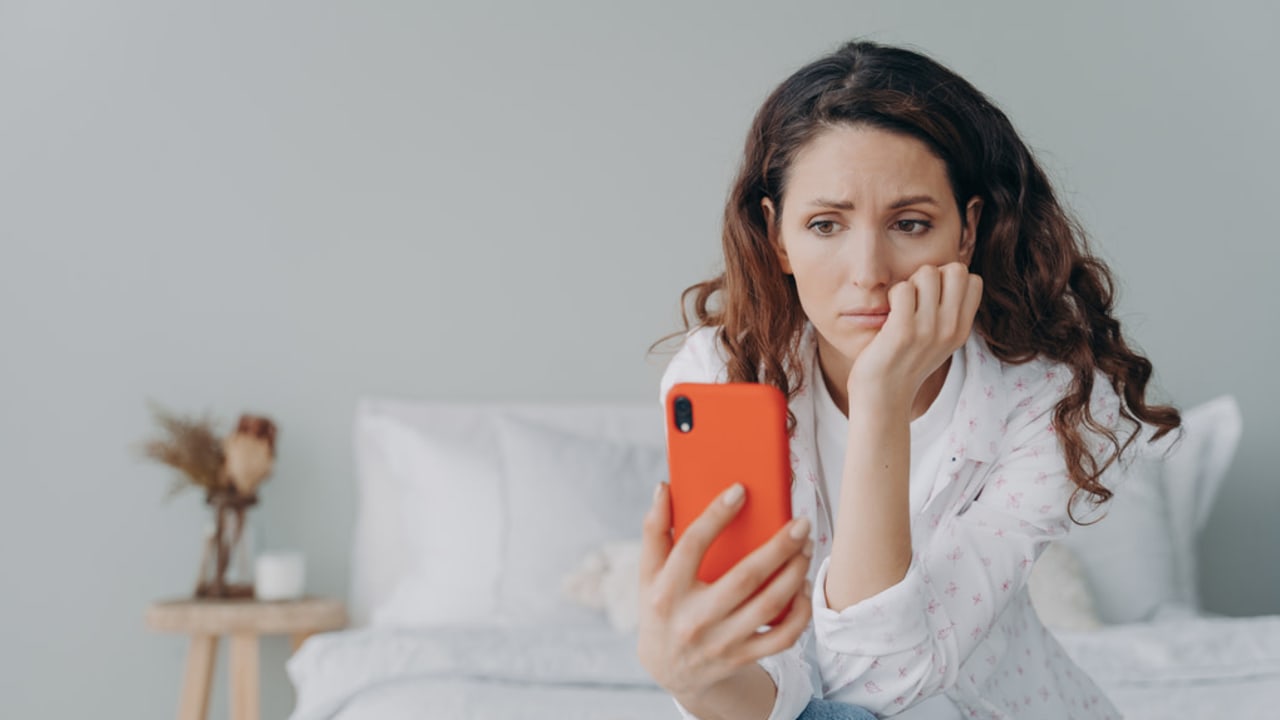
In times of stress and pressure, our body produces a rapid pulse, heightened alertness, and shallow breathing – and there is no doubt that the recent days are not normal. It secretes stress hormones and adaptation hormones, such as adrenaline and cortisol, which help activate our survival mechanism. The moment we feel stressed and pressured, there is an unpleasant sensation that often makes it difficult to focus on anything unrelated to that feeling. Sometimes this is accompanied by physical reactions such as sweating, an increased feeling of heat or cold, dizziness, rapid heartbeat, or chest pain.
Over-the-counter medications that may help reduce feelings of stress and pre-anxiety:
There is a variety of over-the-counter calming medications available at any pharmacy. These medications are intended for mild symptoms of stress and tension.
Herbal extract-based medications:
• Relaxin: A medication with an active ingredient called valerian that helps with sleep and reduces tension and stress.
• Nervine tablets: Contain valerian, passionflower, and hops which calm in situations of stress and nervousness and induce sleep.
• Easy Day and Easy Night tablets: For reducing stress and tension
• Bach flower extracts: For example, Rescue drops that provide calm in temporary situations of stress and tension
Sedative for children – Kalmanervin syrup: Contains passionflower extract and valerian extract, vitamin B1 and vitamin B6 – which help reduce stress in pre-anxiety situations.
It is important to note that in relatively mild cases of stress and tension, over-the-counter medications and natural calming products can help relieve the symptoms that cause unpleasant sensations. If the level of stress and tension is high and cannot be resolved with over-the-counter medications, it is recommended to consult a doctor who can provide additional solutions such as prescription medications.
Simple actions to reduce the feeling of stress that anyone can do at home
Relaxation: There are various relaxation methods such as breathing exercises, meditation, yoga, guided imagery, and other relaxation techniques. Online classes for adults and children are available to watch at home. These methods combine relaxation of muscles that contract and tense under stress, and breathing regulation leading to calmness.
Exercise: Physical activity can help relieve stress, or at the very least help maintain fitness. In addition to recommendations for running or walking, for those who live in areas where they must stay near a protected space frequently, there are now various workouts that can be done at home using instructional videos.

Water: When staying in water, the body mimics returning to the womb, which helps reduce stress levels. A hot bath or a cold and invigorating shower can greatly help improve mood and overall feeling.
The writer is a pharmacist, head of pharmaceutical laboratories at Super-Pharm.