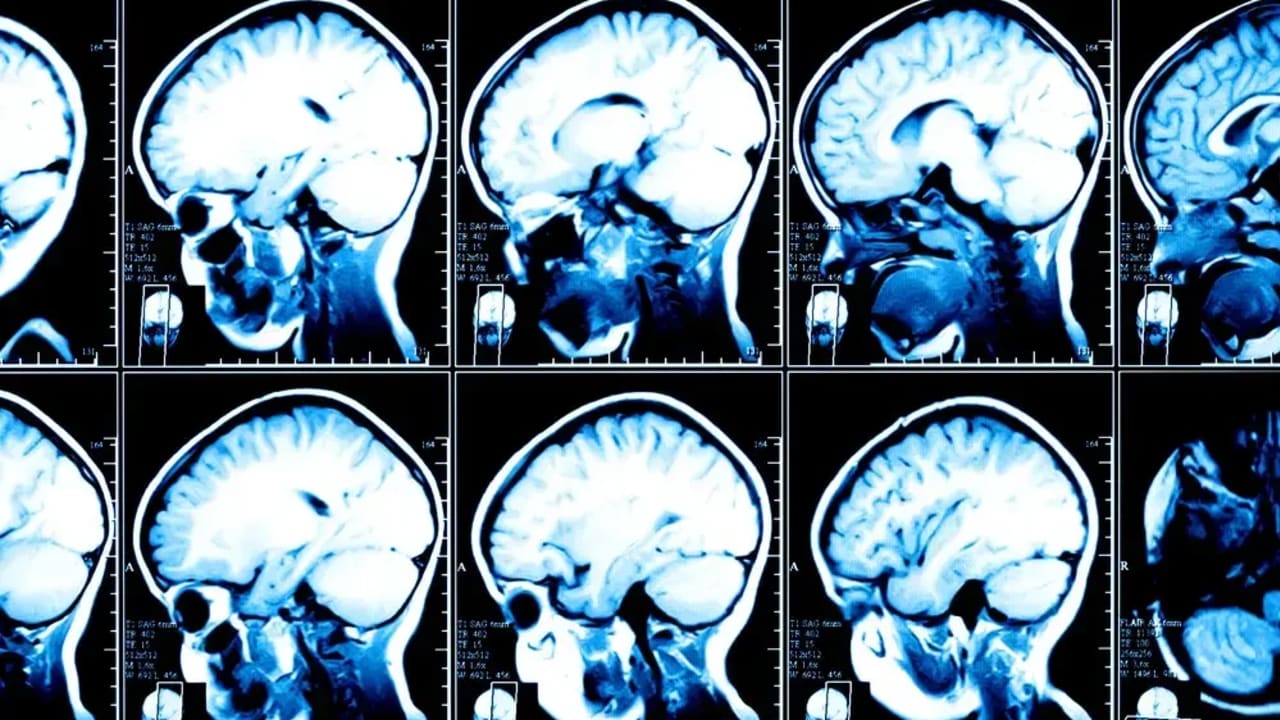
Physical activity can be an excellent way to protect brain health. According to a comprehensive review first published in the British Journal of Sports Medicine, all types of physical activity—regardless of intensity—can significantly enhance brain health at all ages.
Specifically, moderate-intensity activity produced the most significant results for memory and executive functioning (such as problem-solving and reasoning). Low-intensity activity was the most beneficial for general cognition.
The researchers also examined specific activities and found that active video games provided the most substantial cognitive benefits, followed by mind-body activities like yoga and Tai Chi.
In this study, researchers analyzed findings from 133 reviews that included over 258,000 participants.
While searching for patterns across the studies, the researchers found “strong evidence that physical activity improves general cognition, memory, and executive function across all age groups,” said Dr. Ben Singh, the study's lead researcher from the University of South Australia. The benefits were especially pronounced in children, adolescents, and individuals with Attention Deficit Hyperactivity Disorder (ADHD).
Factors That Influenced Brain Health:
Intensity: Low to moderate-intensity activity had a slightly stronger link to brain health than vigorous or high-intensity activity.
Duration of Training: Committing to a routine, even for a short period (one to three months), was beneficial, particularly for general cognition.
Type of Activity: Video games that require thinking had the greatest effects on cognition and memory. Yoga, Tai Chi, or other exercises that involve remembering coordinated movement sequences were also especially helpful for memory.
These Are the 3 Best Activities for Brain Health:
1. Yoga – Strengthening the Hippocampus
Yoga is an ancient practice that combines physical postures, breathing techniques, and meditation. This combination creates unique cognitive engagement that can enhance brain health. Yoga can help reduce stress and inflammation, thereby supporting "the function of the hippocampus, the brain’s memory center," explains Dr. Singh. "It also strengthens the prefrontal cortex, the brain region responsible for decision-making, planning, and emotional regulation."
How to Start:
- Begin with short sessions – 20 to 30 minutes, 2–3 times per week
- Try styles like Hatha or Vinyasa yoga, which combine gentle movement with breathwork
- End each session with meditation or a relaxation technique
<br>2. Tai Chi – Meditation in Motion
Tai Chi is a traditional Chinese martial art that combines slow movements and deep breathing to balance the body’s energy. It is often described as “meditation in motion.”
Tai Chi promotes cognitive health and is more effective than other exercises because it focuses on slow, deliberate movements that connect body and mind. This "activates brain areas responsible for memory and motor functions," explains Dr. Shenam Hafeez, a neuropsychologist.
How to Start:
- Practice at least three times a week for 20 to 60 minutes
- Choose a structured practice like Yang or Chen style that requires remembering the movements
- Focus on controlled breathing and mindfulness during the practice
<br>3. Movement-Based Video Games
Video games that require physical movement to interact with the game make the activity engaging and cognitively stimulating.
Examples of such games:
- Nintendo Wii Sports (tennis, boxing)
- Dance Dance Revolution (step-based rhythm game)
- Virtual reality fitness games like Beat Saber and FitXR
“You react quickly, follow patterns, and solve challenges—all while being physically active,” explains Dr. Michael Genovese. “This type of multitasking can help sharpen attention, coordination, and memory.”
How to Start:
- Choose games that involve complex movements and decision-making
- Play for at least 20 to 30 minutes, 3–5 times per week
- Choose games you enjoy – the more fun it is, the more likely you'll stick with it
<br>Why Are These 3 Activities So Effective?
These exercises are particularly effective because they require:
- Mind-body coordination: The combination of physical movement with mental focus activates multiple brain regions at once
- Remembering sequences: The need to remember movements or patterns actively trains memory
- Stress reduction: All three types help reduce stress, which is harmful to brain health
- Ongoing engagement: Their enjoyable and varied nature encourages consistent participation
“These findings reinforce the importance of incorporating even light physical activity into daily life as part of a long-term strategy for maintaining brain health,” said Dr. Singh.
The most important thing is to start – even short periods of activity (one to three months) can bring cognitive benefits, especially for general cognition. Choose the activity that best suits you and your lifestyle, and remember: Consistency matters more than intensity.