Archaeological Site
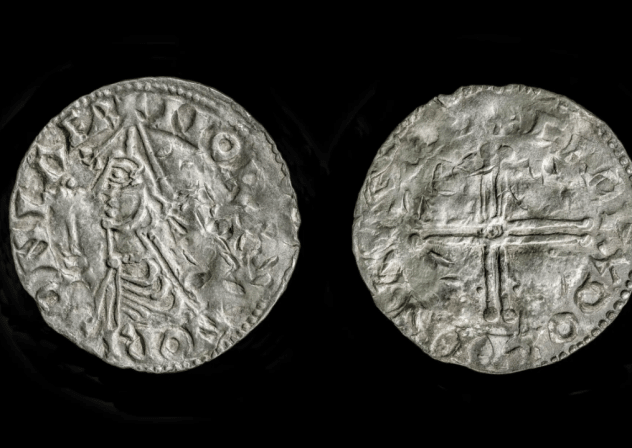
Rare coin from reign of Norway’s King Olaf found for first time since 1924 among Viking hoard
The artifact was identified by archaeologist Anne Skogsfjord while cataloguing coins from the Mørstad Hoard, which was discovered by metal detectorists Vegard Sørlie and Rune Sætre in Rena in April.
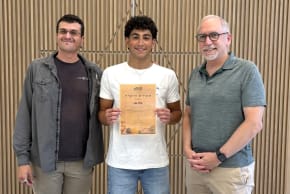
American teenager finds 3,300-year-old scarab amulet during school trip to ancient Canaanite city
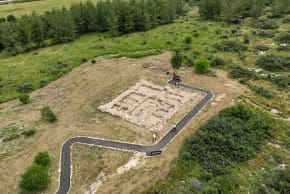
Ancient Canaanite fortress from time of biblical Book of Judges reopens in southern Israel

Evidence of what may be world’s oldest shipwreck found in underwater excavations off Turkish isle
Italian archaeologists use AI to generate image of Pompeii victim for first time
It is based on the recent discovery of the remains of a male adult, just outside one of the southern gates of the city, lying next to a terracotta mortar that he presumably used as protection.

Partial statue of Ramesses the Great found in ancient Egyptian capital city along Nile
Ramesses II (“Ramesses the Great”) is believed by many to have been the pharoah in the biblical story of the Exodus.

Fragment of Homer's Iliad discovered inside Roman-era mummy during Egypt excavations
Several other mummies, three golden tongues, and a tongue made of copper were also discovered during excavations.

Archaeologist revives 2,000-year-old bread recipe in Pompeii after 18 years of experimentation
Panis quadratus was simple, made of water, flour, and salt, and carefully divided into eight sections with a reed and bound with rope.
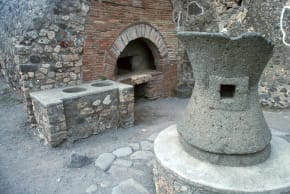
Evidence of human sacrifice, inbreeding found at ancient Korean burial complex - study
Additionally, researchers found genetic confirmation that entire families had been sacrificed together as part of sunjang, the ritualistic sacrifice of servants to be buried alongside their superiors

Neanderthal children in central Europe may have hunted turtles for materials, not for food - study
The study also floated the possibility that the turtles had been hunted for “their taste or for an assumed medicinal value.”

Early humans may have begun eating elephants, large animals 1.8 million years ago - study
The fat stored in Elephant bones, which is rich in essential nutrients, is thought to have played a role in supporting the growth of larger brains in the Homo erectus lineage.

Over 20 sarcophagi belonging to ‘Chanters of Amun’ discovered during excavations near Luxor
Eight pieces of papyrus, some with their original clay seals intact, were also found within the chamber.

An ancient Egyptian temple was just found in Sinai after six years of digging
Analysis of the site also shows that the structure had been continuously used from the 2nd century BCE to the 6th century CE, with only minor architectural modifications happening during that time.
Ancient charcoal found in northern Israel sheds new light on how early humans lived - study
Within the charcoal, archaeologists found traces of ash, willow, oak, olive, pistachio, grapevine, oleander, and the oldest known evidence of pomegranate wood in the Levant.
