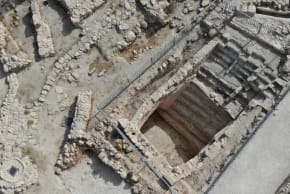
Archaeological Site
Israeli researchers use ancient stone tools to trace hunter-gatherer migrations
The study focused specifically on the late Middle Paleolithic period, when ancient hunter-gatherers attempted to navigate intense environmental shifts in the South Caucasus region.
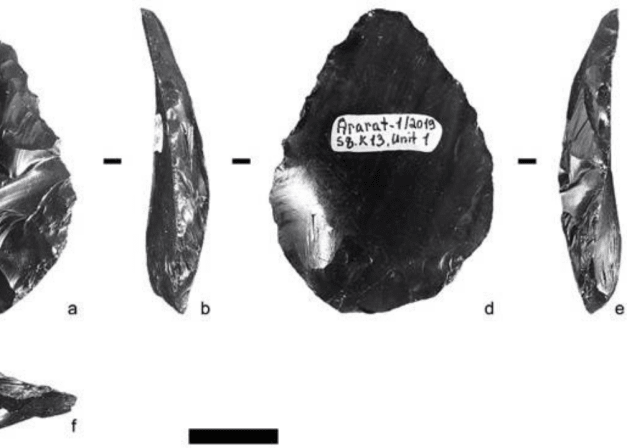

Prehistoric hunter-gatherers stayed connected across 200 kilometers, Israeli study finds
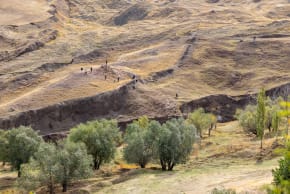
‘We’re all in the same boat,’ Noah's Ark researcher tells ‘Post’ at Turkey’s Durupinar site

Backyard find: Egyptian farmer unearths statue fragments believed to depict Ramesses II
Six previously unknown Bronze Age mines found in Spain, some 150 more remain ‘undiscovered’
The six mines may help explain the source of the metal used in Bronze Age Scandinavian artifacts.
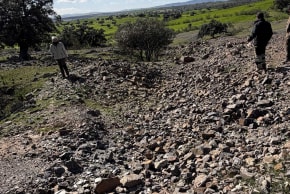
‘Lexden Lady,’ wealthy Roman woman buried in lead coffin, goes on display in UK
Her exact burial date is unclear, according to the Trust’s statement, but it was likely during the late Roman period - lasting from approximately the late 3rd century to early 5th century CE.

Pompeii victim revealed to be a doctor fleeing Vesuvius’ eruption over 60 years after discovery
The doctor’s identity followed new analysis of archaeological finds kept in the park’s storage warehouses - including a small case hidden within the cast of one of the victims from the garden.

Over 30 mummified cats, ancient Egyptian tombs, coffins discovered at Luxor necropolis site
According to preliminary studies, four of the coffins date to the 18th Dynasty, including one bearing the name of Merit, believed to be a chantress of Amun.

Silk Road Virtual Museum opens first Israel exhibit, displays ancient textiles found in Arava
The exhibit, curated by academics from the University of Haifa, features textiles from India, Central Asia, and China.

Egypt exhibits rare artifact from King Tut's tomb, two restored New Kingdom tombs in Luxor
The tombs that were opened are those of Rabuya and his son Samut from the 18th Dynasty, the first of the New Kingdom dynasties. Rabuya and Samut served as door keepers of the deity Amun.

Ancient tunnel with unknown age, purpose found near Kibbutz Ramat Rachel ahead of Jerusalem Day
After descending a set of ancient stairs from the surface, archaeologists found themselves standing at the hewn opening of the tunnel, found to be filled with hundreds of years of ancient sewage.

Collection of Greek, Roman, Byzantine artifacts discovered in neighborhood of Egypt’s Alexandria
Professor Ibrahim Mustafa, head of the archaeological mission and director of the Central District, stated that initial restoration work for the artifacts has already started.

World's oldest plague mass grave found beneath Roman racetrack in Jordan - study
According to the study, the grave predates the Black Death burial pits from medieval Europe by approximately 800 years.

Project to make Tel Hebron’s Second Temple mikveh accessible to visitors nearly complete, INPA says
Burda added that visitors to the site will be able to learn about the bath’s significance, its place within daily life, and “momentarily experience the religious and social reality of that era.”