
A computer scientist in England may have solved the 50-year-old mystery of cleric Musa al-Sadr, a Lebanese religious figure who disappeared in Libya in 1978, BBC News reported.
Bradford University's Professor Hassan Ugail has been studying a digitized picture of a corpse, running it through a BBC algorithm for further investigation.
The body had been discovered by a journalist in a secret mortuary in Tripoli in 2011. The reporter had been told that the body, kept in a freezer with 16 others, could have belonged to Sadr. The journalist had said it was clear the body, which resembled Sadr, had clearly been executed and looked as if it had suffered either a bullet or heavy blow to the head.
Using the Deep Face Recognition algorithm, Ugail compared photos of the body to different pictures of Sadr throughout his life. The program rated matches on a scale from 0-100, with below 50 indicating non-relation, 60-70 indicating a likely relative and above 70 indicating the images belonged to the same person. The mortuary photos scored a 60, Ugail told the BBC.
While back in 2011, the journalist had successfully procured some DNA strands from the body, Lebanese authorities claimed to have lost the samples when they were finally taken for testing.
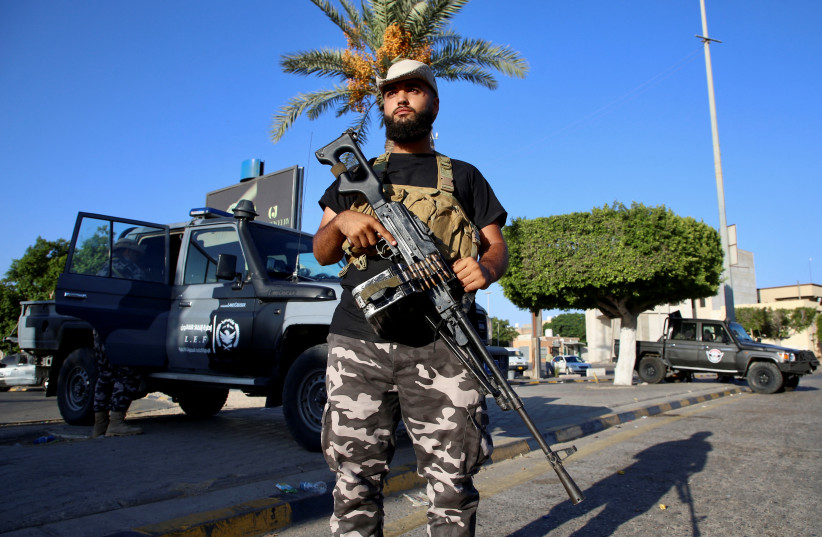
During the investigation, Libyan authorities cancelled the permissions of the BBC journalists and detained them for six days, claiming they would spend decades blindfolded in custody. Once finally released after British and BBC intervention, the reporters were quickly deported from Libya thwarting attempts at further investigation.
What happened to Musa al-Sadr?
Sadr’s disappearance sparked years of conspiracy theories, with some theorizing that he was murdered while others speculating he was being held alive somewhere in Libya.
The cleric was believed to have been using his influence to take Iran when he disappeared on the eve of the Iranian revolution. He had flown to Libya on August 25, 1978 with an invitation to meet with Colonel Muammar Gaddafi.
He was last seen being driven in a government car on August 31 after waiting days to meet with the former Libyan leader. Investigations disproved officials’ claims that Sadr had flown to Rome following a meeting.
Sadr had been planning to meet with Gaddafi to discuss shielding Lebanese civilians from the violence breaking out between Palestinian terrorists in Lebanon and Israeli forces. Gaddafi had been providing military support to the Palestinian Liberation Organization, allied with the Islamic regime and some reportedly theorized Sadr was killed for his de-escalation attempts and for his vision of a moderate Iran.
Many of his Shia Muslim followers have drawn comparisons between his disappearance and the Twelvers; a hidden 12th Imam believed to have disappeared in the 9th Century. It is believed the 12th imam did not die and will return at the end of times.