
The wreck of one of the most famous ships of the nineteenth century, the luxury passenger steamer Lac La Belle, has been discovered at the bottom of Lake Michigan, CBS reported earlier this month.
Researchers announced after years of searching for the legendary vessel, which sank nearly 150 years ago.
The Lac La Belle was built in 1864 in Cleveland, Ohio, and quickly became one of the most popular vessels on Lake Michigan, operating routes between Cleveland and the upper lake.
In 1866, the ship sank in the St. Clair River after a collision, but was raised and fully restored by 1869.
On its final voyage on October 13, 1872, the Lac La Belle departed Milwaukee for Grand Haven with 53 passengers and crew members on board, carrying a cargo of barley, flour, pork, and whiskey.
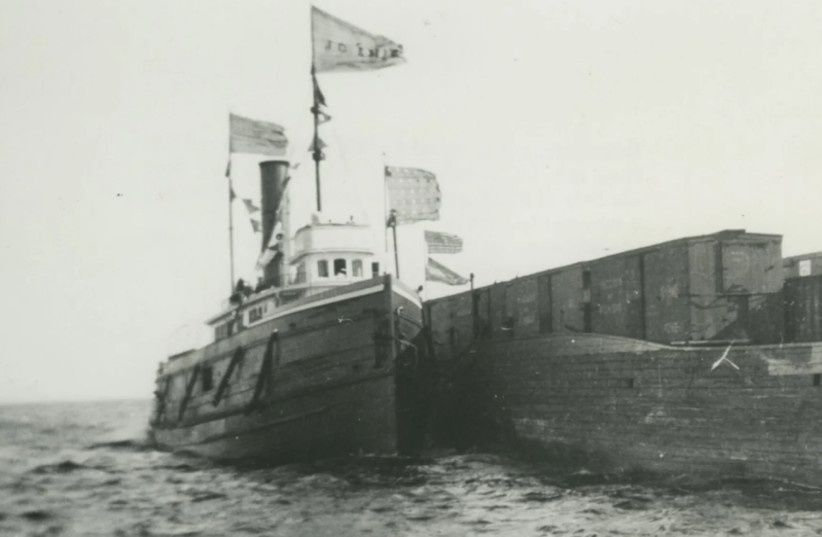
Ship located by Shipwreck World group
About two hours after departure, the ship began taking on water rapidly. The captain attempted to turn the ship back toward port, but worsening weather and large waves forced the boilers to shut down, leaving the steamer without power or maneuverability.
At around 5 a.m., the vessel sank bow first. Passengers and crew escaped in lifeboats, but one capsized on the way to shore, resulting in eight deaths. The remaining passengers reached the coast safely.
The ship was located by the group Shipwreck World, which specializes in historic wrecks. The mission was led by veteran shipwreck hunter Paul Ehrhorn from Illinois, who has been searching for the Lac La Belle since 1965.
The wreck was discovered in October 2022, about 32 km west of the shore between Racine and Kenosha, Wisconsin, using side scan sonar technology. The announcement of the find was delayed until researchers could create a three-dimensional video model of the ship and return divers to the site safely due to weather and scheduling constraints.
The Lac La Belle is considered one of the most significant wrecks found in the Great Lakes. The hull remains largely intact despite damage.
Superstructures are missing, and surfaces are covered with invasive zebra mussels, which accelerate the decay of underwater wrecks. The discovery not only solves a long-standing nineteenth-century mystery but also highlights the rich maritime history of the Great Lakes.
Experts estimate that between six thousand and ten thousand shipwrecks lie in the depths, many of them still undiscovered.