US-Iran ceasefire pauses war - nuclear, Hormuz, and Lebanon issues remain
Israelis fear danger, Americans are concerned about exit as a tentative ceasefire takes shape.
Despite a two-week ceasefire between Iran and the US, most vessels sailing through the Strait of Hormuz in the past day are linked to Iran, according to ship tracking data.
According to security sources, a US Air Force C-130 aircraft carrying an advance security and tactical team landed at Nur Khan Air Base on Thursday afternoon.
Separately, Kuwait condemned what it described as drone attacks by Iran and its proxies targeting vital facilities in the country, calling the strikes a violation of its sovereignty.
Kharazi's home was struck by the "American-Zionist enemy" on April 1 as part of operations Roaring Lion and Epic Fury, according to state-run Iranian media at the time.
IDF reservist severely wounded, another soldier lightly injured by shrapnel • Israel expels Spain from US's CMCC in Kiryat Gat over 'blatant anti-Israel bias'
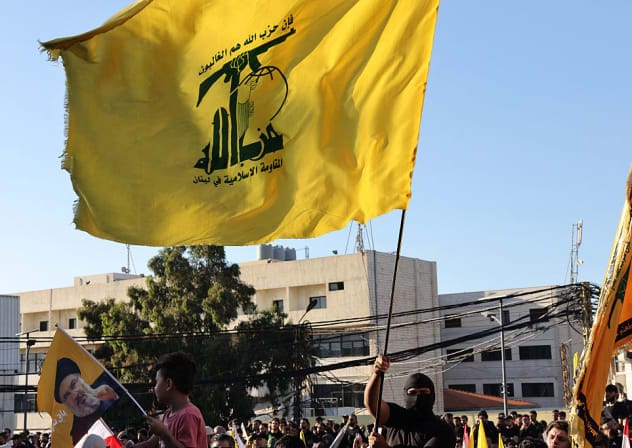
The IDF had warned earlier of a possible increase in rocket launches from Lebanon extending beyond border areas.
The reopening of the Strait, which carries about a fifth of the world's oil consumption, is an important component of the US-Iran ceasefire deal.
Pakistan's Defense Minister Khawaja Asif's comments came as Islamabad positions itself as a major player in ceasefire talks between the US, Israel, and Iran.
The agreement prioritizes the railway sector, including a proposal to link Anatolia in the north with the port of Aqaba in the south and extend toward the Gulf.
"Iran is not seeking war but will not forfeit its rights and considers all resistance fronts as a unified entity," Khamenei added.