Iran carried out numerous attacks in the Middle East over the last several days as it seeks to continue its tit-for-tat conflict with the US. In the recent round of attacks, Iran lashed out at Qatar, Kuwait, Bahrain, Oman, the UAE, and Jordan.
This is around 3,000km. of front line stretching from Amman to the Strait of Hormuz. It is a huge battlefield, and Iran’s goal is to spread the conflict as wide as possible. This makes it harder to stop Iran because Iran is a large country and it can base missiles and drones in many places to strike.
Iran’s goal now is multi-layered. One layer is to make it seem like Tehran doesn’t centralize decision-making in Tehran. This presents some Iranian attacks as being by “rogue” elements or some “hardline” part of the IRGC.
The theory is that Iran can then “good cop-bad cop” the region. Iran’s government will try to de-escalate, and the IRGC will escalate. This is a method Iran has used in dealmaking with the West for decades. Now it is using it in wartime.
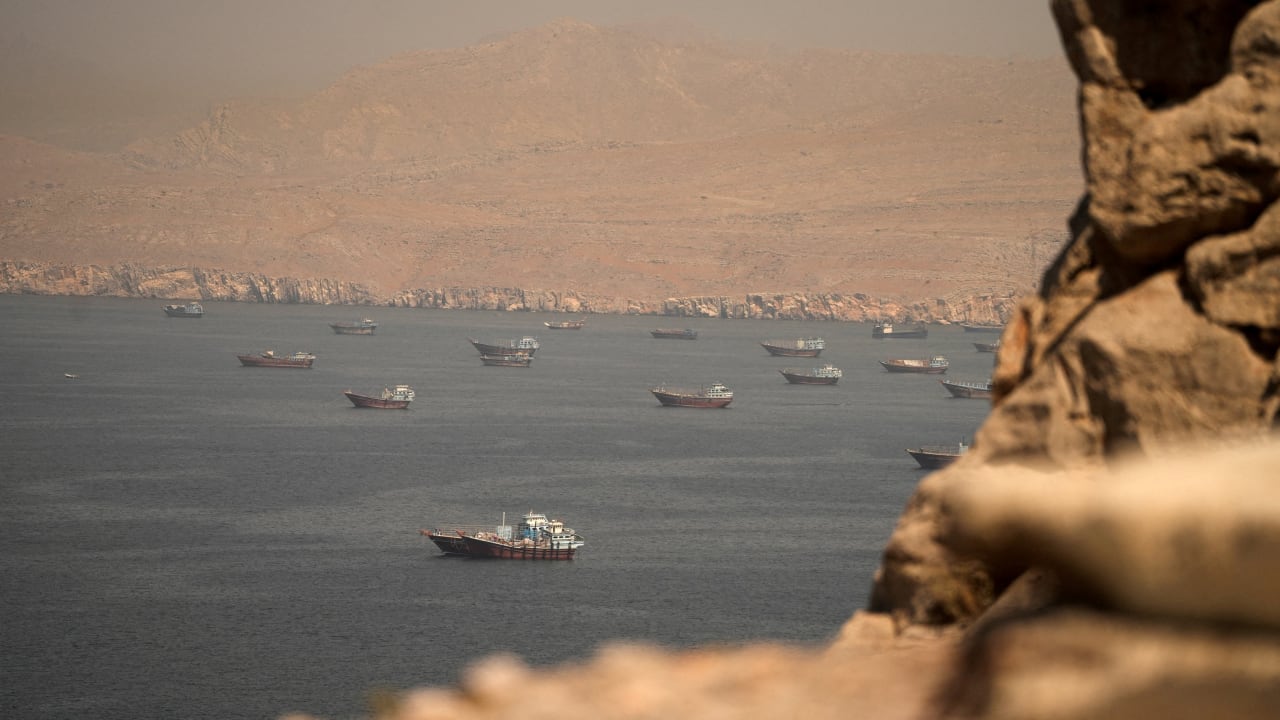
Another aspect of Iran’s policy is to try to put forward a proposal to manage Hormuz. It is trying to pretend that if other countries will come to the table, then some kind of agreement can be reached where Iran manages Hormuz.

Iran would bargain to receive fees for ships to transit through the Strait which the US would oppose
The proposal is for Iran and others to receive a fee for ships that transit, essentially meaning they are in control. The US will not likely accept this. US policy for more than 100 years supported freedom of navigation.
What we know about the recent strikes is that the US carried out a number of new strikes. This has been happening for several days now. US Central Command (CENTCOM) said it “completed a third round of strikes this week against Iran, July 11, holding Iranian forces accountable for attacking another commercial ship in the Strait of Hormuz.”
It said that US forces “hit approximately 140 Iranian military targets with precision munitions launched by land- and sea-based fighter aircraft, drones, and naval vessels. Targets included Iranian missile and drone sites, naval capabilities, ammunition storage facilities, communication networks, and coastal surveillance locations.” In previous rounds, the US had struck around 80 targets.
CENTCOM went on to say that “during three nights of strikes this week, CENTCOM has struck more than 300 targets at the direction of the Commander in Chief to degrade Iran’s ability to attack civilian mariners and commercial vessels freely transiting the strait. Commercial vessel transits through the vital international maritime corridor continue.”
UAE, Oman, Qatar, targeted in Iranian retaliatory attacks
On July 12, the UAE confirmed that attacks overnight targeting the UAE had ended. Oman condemned attacks by Iranian drones.
Arab News in Saudi Arabia provided some more context on the attacks. “Qatar’s military said in a statement it intercepted incoming Iranian fire, with explosions heard in neighboring United Arab Emirates.
Three people, including a child, were wounded as a result of falling shrapnel from the interception of Iranian attacks, Qatar’s Interior Ministry said.” The report also noted there were alerts in Bahrain. Kuwait also intercepted attacks.
“The United Arab Emirates said its defense systems engaged missiles and drones from Iran. In a statement, the Defense Ministry said the missile threats detected this morning were outside the country’s borders,” Arab News added.
“An Omani security source reported that drones have targeted sites in the Musandam Governorate. The sultanate condemned the attacks and vowed to take all measures that safeguard the country’s security and residents.”
Iran’s 3,000km. front line is how it seeks to spread chaos in the region. It has created so many front lines in so many places that it will be hard for the US to confront this kind of Iranian Pandora’s box. How to put the lid back on the box is unclear, and it appears Iran is ready to keep doing this for the foreseeable future.