On Tuesday, the oil tanker M/V Stena Imperative was approached by Iranian small gunboats, according to reports. A US-flagged ship, it was apparently being harassed by the Iranians due to US-Iran tensions.
In the past, during tense periods, the Iranians have placed anti-ship mines and also carried out raids to hijack them. Now it appears that the US Navy and US vessels have learned their lesson.
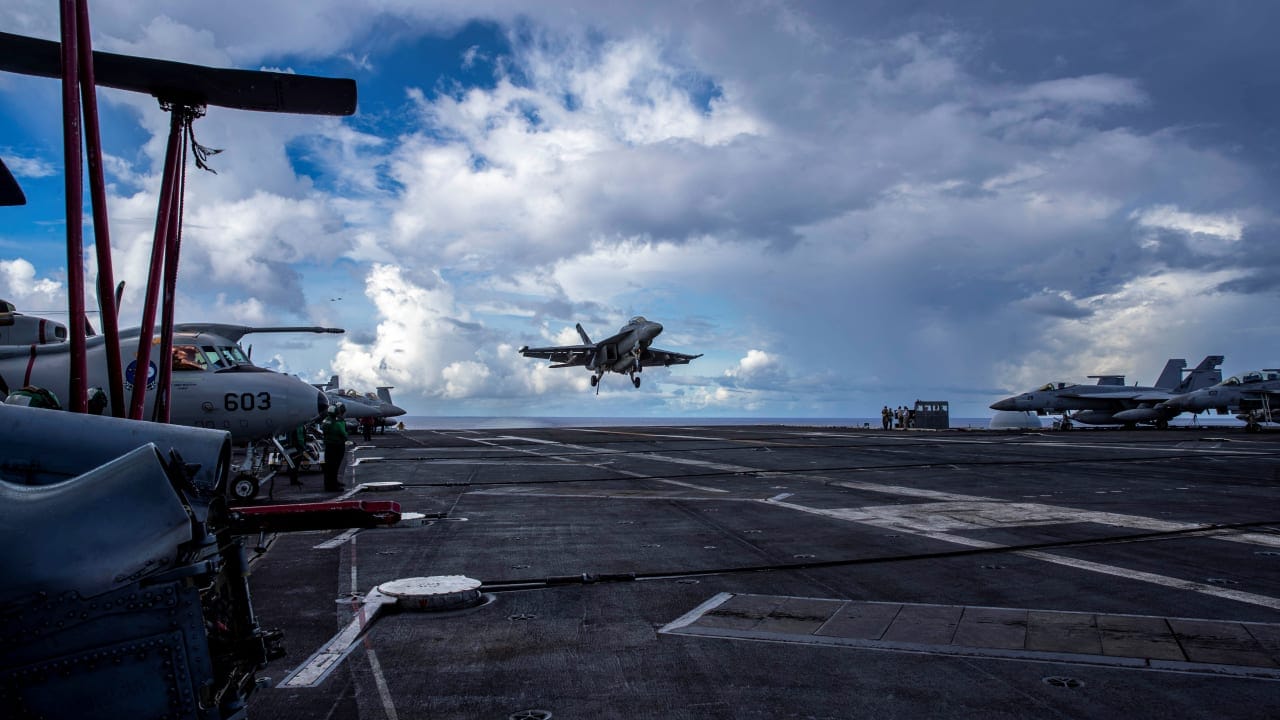
A US tanker was able to prevent itself from being hijacked by Iranian fast boats, and a US warplane shot down an Iranian drone that was apparently shadowing the aircraft carrier USS Abraham Lincoln.
Hostile actions
According to CBS, “British maritime security firm Vanguard Tech said on Tuesday that a US-flagged tanker was approached by Iranian gunboats, which threatened to board the vessel, in the Strait of Hormuz, before continuing on its way under military escort. The incident comes amid a tense standoff between the US and Iran, and days ahead of expected negotiations.”

Apparently, up to six small vessels of the Iranian Islamic Revolutionary Guards Corps approached the 183-meter Stena Imperative around 16 nautical miles off the coast of Oman. “The gunboats hailed the tanker by radio, ordering the captain ‘to stop the engines and prepare to be boarded,’ but the ship increased speed and maintained course, the firm added, stressing that it never entered Iranian territorial waters,” the report said.
Later, the vessel was aided by a US warship, which escorted it. According to marine tracking sites, the ship was now making 11 knots and was off the coast of Bahrain.
The fact that the vessel outran the small Iranian boats appears to indicate that ships are learning the lessons of history. While the small Iranian craft operated by the IRGC may be faster than a far larger tanker, they have difficulty actually stopping such a big ship. They could open fire on the bridge of the ship, but firing on a US-flagged vessel would be a severe incident that could lead to war.
History of harassment
The Iranians prefer harassing tactics and hoping that ships will not call their bluff. In the second incident, a US F-35C shot down an Iranian Shahed 139. The drone was apparently operating near the USS Abraham Lincoln and its accompanying warships. Shooting down Iranian drones is a way to keep the Iranians’ prying eyes from seeing US ships and also from harassing them.
This is not the first time there have been drone wars over the Gulf. The Iranians downed an expensive US Global Hawk surveillance drone in 2019. The massive drone that looks like a flying whale was estimated to be worth around $200 million. US President Donald Trump considered strikes on Iran at the time in retaliation, but erred on the side of caution.
The more concerning background in the Gulf is not the drone wars, but Iran’s history of hijacking ships and mining and sinking them. In 2019, the Iranians attacked two ships, the MT Front Altair and Kokuka Courageous. It also mined four ships off the coast of the UAE’s Fujairah on the Gulf of Oman. That same year, Iran also seized the British-flagged tanker Stena Impero.
Iranian ships also tried to stop the British tanker British Heritage before a UK warship arrived. In 2020, it appears Iran was involved in arranging the hijacking of the Gulf Sky off the coast of the UAE. In 2021, it seized the Hankuk Chemi, a South Korean oil tanker. In May 2022, it seized two Greek tankers, the Delta Poseidon and the Prudent Warrior. Iran was also behind a series of attacks on ships it claimed were linked to Israel. In 2021, an Iranian kamikaze drone killed two crew members of the oil tanker Mercer Street.
Iran has also illegally detained US sailors. In 2016, it attacked and seized 10 US Navy sailors and has also harassed and detained members of the Royal Navy. It has also harassed and photographed US carriers and ships in the past.
In 2023, an Iranian drone was accused of taking “unsafe action” near the US aircraft carrier Dwight D. Eisenhower, but now it appears that the US has decided that Iranian bullying of both civilian and naval shipping will no longer be tolerated.