Parashat Lech Lecha: Having the courage to stand alone
Abraham’s willingness to stand alone would become a defining feature of our nation. As his descendants, we would desperately need that same strength.

Abraham’s willingness to stand alone would become a defining feature of our nation. As his descendants, we would desperately need that same strength.


Trees have repeatedly been destroyed by war, fires, and other causes, but we have always planted again as an expression of Jewish resilience and rebuilding.

“Wholeheartedness is greater than wisdom, but great wisdom is required of a Jew before he reaches the level of ‘You shall be wholehearted with the Lord your God.’” - Rabbi Naftali of Ropshitz.

Even those who observe Jewish tradition have areas of choice that they have already conquered, while their struggles lie elsewhere, each person according to their own level and circumstances.

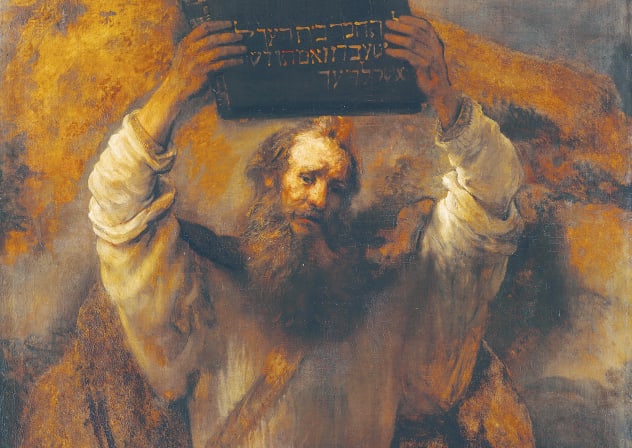
Moses shattered the Tablets, yet their fragments were preserved beside the new ones. Their message endures, what appears broken can still carry holiness, meaning, and strength.

Parshat Eikev teaches that the greatest threats to our values begin not with rejecting them, but with neglecting the small practices that keep them alive.
Isaiah declares, “Behold, the nations are as a drop from a bucket, and are regarded as the dust on the scales... All the nations are as nothing before Him” (Isaiah 40:15,17).

The Ten Commandments are not an independent list of fundamental principles, but rather the nucleus from which the entire Torah unfolds - its genetic code.
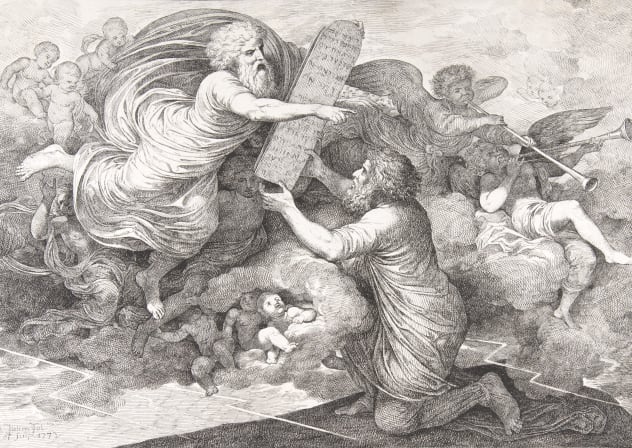
At Sinai, the people were instructed to remain outside the boundary. In the Sanctuary, the holiest place stood behind a curtain.

The Torah remains unchanged, yet its message can be expressed anew in the language, challenges, and circumstances of every generation.

Public debate has become louder, more bitter, and less capable of self-correction because opinions have hardened into identities.
