

Taking care of your own health lifelong is like a ladder standing on a firm surface that does not change.
The base includes measures that one must observe regularly – from getting flu shots, eating a healthful Mediterranean diet, and exercising, to avoiding tobacco smoke and excessive alcohol, having social ties, and managing stress.
The rungs of the ladder represent special measures to carry out in one’s 20s, 30s, 40s, 50s, 60s, 70s, 80s, and beyond until 120.
Prof. Ronit Calderon-Margalit, who for the last four years was director of the Hebrew University-Hadassah Braun School of Public Health and Community Medicine, is now director of the Israel National Program for Quality Indicators in Community Healthcare at the school. She said in an interview with In Jerusalem that prevention and early diagnosis of chronic illness is the best way to achieve a long, productive, and happy life.
As for a balanced diet, she advised that one should focus on whole foods high in fiber, vitamins, and minerals, and limit processed foods. The traditional cuisine of countries bordering the Mediterranean Sea, including Israel, has been shown to reduce the risk for heart disease, diabetes, some cancers, and dementia. It includes plenty of vegetables, legumes, and fruit; olive oil; nuts; whole grains, fish; moderate amounts of low-fat yogurt, low-fat cheese, and poultry; a minimum of red meat and sweets; and wine, in moderation, with meals.

Stay physically active, with a weekly target of at least 150 minutes of moderate aerobic activity or 75 minutes of vigorous activity, along with muscle-strengthening exercises twice a week. Even light activities like gardening and walking are very beneficial.
Aim to sleep seven or eight hours per night. Sleeping more on weekends doesn’t make up for the deficit during hectic weekdays. Avoid eating late or looking at your smartphone around bedtime.
Stress-reducing techniques include listening to quiet music, meditation, yoga, mindfulness, hobbies (like gardening, sewing, reading, drawing, or collecting favorite objects), and stroking your pet dog or cat (if you have one) to improve emotional well-being.
Age-specific guidelines
In your 20s and 30s: Adopt healthful lifestyle habits because it’s harder to reverse the damage of a deleterious lifestyle later. Be mindful of social pressures from friends, as it can be hard to say “no” to dangerous behaviors. Protect your skin from excessive exposure to ultraviolet light from the sun, and be aware of lifestyle factors, hormones, stress, and environmental pollutants that can affect your skin.
Regular check-ups: Keep up with regular visits to the doctor, dentist, and eye doctor to catch problems early. Follow medical advice, taking all medications exactly as prescribed by your doctor.
Once you’ve reached your 40s, you should increase preventive screenings for issues like heart disease, cancer, and diabetes. Maintain muscle and bone health with regular exercise for preserving muscle mass and bone density that naturally begins to decline around middle age.
Focus on mental and social health: Stay mentally stimulated with activities like puzzles, and stay socially connected in order to combat isolation and depression.
Prevent falls and injuries: Implement safety precautions at home (bathtub mats to prevent slipping and avoiding rugs that move) and practice safe driving to prevent injuries.
Address sexual health: Have an open conversation with your doctor about any changes in sexual function.
Ensure that you are getting regular cancer screenings. This may include a lung cancer screening with a low-dose CT scan if you are a current or former heavy smoker between the ages of 50 and 80. The Jerusalem epidemiologist recommended getting regular colon cancer screenings as recommended by your doctor. As you age, consider shifting more focus to strength training to help maintain muscle mass.
Over age 60, get annual flu shots, as well as one for pneumonia; respiratory syncytial virus (RSV) vaccines, shingles vaccines, coronavirus vaccines, and others recommended at specific ages by your doctor and health fund.
Continue to stay active and adjust your routine as needed. Activities like balance and flexibility exercises can be particularly helpful.
Over age 70, get all recommended screenings for vision problems like glaucoma, macular degeneration, and diabetic retinopathy (in diabetics); dental disease; and cancer. Continue to find ways to stay physically active, even if it’s low-impact exercises.
At age 80 and over, continue to have all recommended screenings for cancer, vision, and dental health; maintain physical activity, and manage chronic conditions.
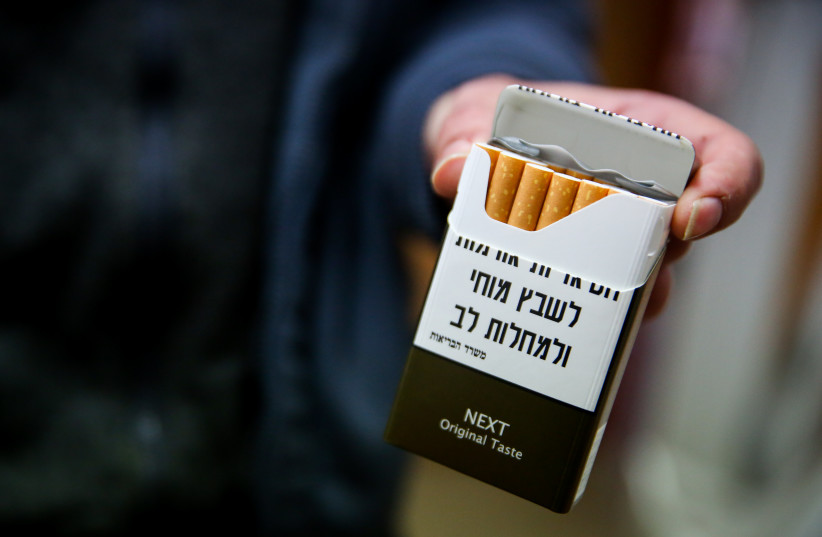
Smoking
Prof. Ronit Calderon-Margalit said that smoking – especially electronic cigarettes (e-cigs) – by young people has significantly increased in the last two years; these are often the first product tried by youths. Even hookahs (water pipes for smoking tobacco) are used in social settings. Both are as dangerous and perhaps even more than ordinary but deadly cigarettes.
The four public health funds have smoking cessation courses that are free of charge, and there are medications to help one stop the deadly habit.
Avoid being in contact with tobacco smoke, not only directly but also in contact with furniture, drapes, and other household articles exposed to others’ smoke. Insist that neighbors’ smoking on balconies and in staircases be halted. Smokers who violate the law in public spaces should be told politely to stop and that they are in danger of getting a stiff fine.
Putting stress to the test
When it comes to stress – a state of mental and emotional strain resulting from demanding circumstances – there isn’t a single Israeli who has not felt this in the past two years (not to mention during the coronavirus crisis before that). Everyone experiences stress, which is your body’s physical and emotional response to new or challenging situations, and it is a normal coping response. It can result from problems connected to work, school, health, and relationships. But when stress becomes chronic, it can lead to serious health problems.
Learning to cope healthily can help reduce your stress. It requires taking small steps in your daily life, and these can have a big impact. Take breaks from news and social media. It is good to be informed, but constant information about negative events can be upsetting.
Prof. Ronit Calderon-Margalit suggests making time to unwind. Spend time outdoors in nature. Meditate, stretch, and take deep breaths. Try to do relaxing activities you enjoy. Remind yourself of specific things you are grateful for and write them down. Call a relative or a good friend. If you are religiously observant, attend synagogue services, as this has a beneficial effect of being part of a community and getting divine support. Volunteering for a good cause in your community can also reduce stress.
Laugh more. As King Solomon wrote in Proverbs 17:22: “A joyful heart is the health of the body.” A good sense of humor can’t cure all ailments, but it can help you feel better and lighten your mental load, even if you have to force yourself to laugh. It produces positive physical changes in the body. So watch a comedy, tell others some good jokes, or spend time with your funny friends.
If you’ve been through a very disturbing event and suspect you suffer from post-traumatic stress disorder, consult your doctor and/or the many voluntary and governmental organizations that are trying to deal with this widespread phenomenon.