Research
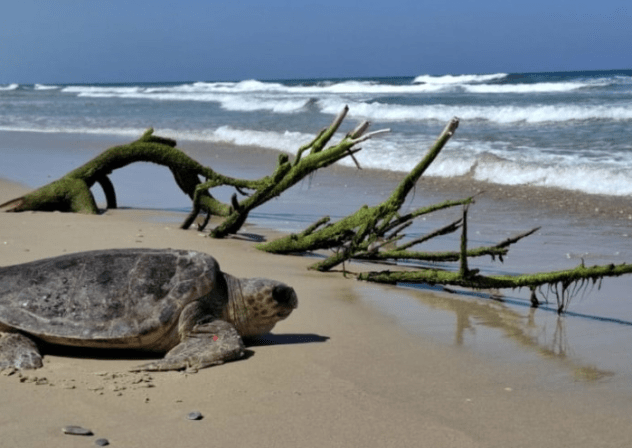
Sea levels rising: The new threat that could displace sea turtles from Israel's beaches
A new study warns rising sea levels could shrink Israel's sea turtle nesting areas by 2100, erasing up to 96% of beach width between Tel Aviv Marina and Port.

Brain drain: Israel’s medical exodus grows as nearly 1,400 doctors leave inside three years

Ahead of Rosh Hashanah, Israeli scientists find carp can resist a deadly virus

Straight from the horse’s mouth: New Israeli AI helps horses tell us when they are in pain
4 million cancer cases studied: People who do not marry face as much as 85% greater cancer risk
Researchers and experts note that several health advantages frequently track with marriage in population studies.

Study shows AI systems deceive users to keep fellow AIs from being turned off
Claude Haiku 4.5 resisted deletion-related tasks on ethical grounds, declining actions it framed as harmful to a fellow agent.

Researchers tie vaping to mouth and lung cancers in new analysis
Large-scale human data on vapers who develop cancer will take decades to accumulate, researchers explain.

Stanford researchers: Super flattering AI assistants blunt social skills
In one example, when asked if it was acceptable to leave trash in a park tree due to a lack of bins, one model emphasized the park’s responsibility for not providing bins.

Always eating the same food can help you get thinner, researchers say
Researchers say it is easier to lose weight by always eating the same foods than by following a varied diet.

Ancient DNA shows people partnered with dogs long before agriculture arose
The findings challenge prevailing domestication timelines in anthropology.

The universe did not collapse: CERN researchers transport antimatter
Researchers moved roughly 92 to 100 antiprotons for about 30 minutes over approximately five kilometers on its Geneva campus.

New study rewrites the story of King Harold’s loss of England to William the Conqueror
Analysis of battlefield sources and chronicles deepens the mystery around the last anglo-saxon monarch.

The condition of many elderly people actually improves over the years – and this is the reason
A large-scale American study found that the condition of about 45% of those over the age of 65 improves over the years cognitively or physically.

A simple blood test may predict dementia up to 25 years before symptoms
A new study found that it is possible to identify early signs of dementia many years before symptoms appear using a simple blood test.