Moses
Parashat Eikev: With respect for the past
Moses shattered the Tablets, yet their fragments were preserved beside the new ones. Their message endures, what appears broken can still carry holiness, meaning, and strength.
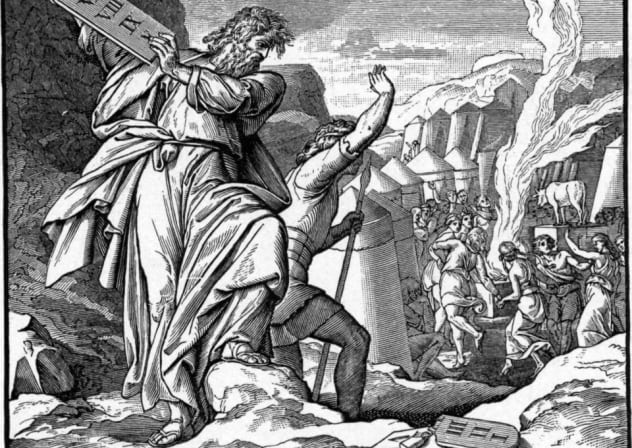

Parashat Eikev: The things we step on

Parashat Va'ethanan: Behind the curtain

Parashat Devarim: Always relevant
Parashat Ekev: Gratitude and showing favor
In this week’s Torah portion, we continue reading Moses’s final speeches, addresses meant to prepare the Jewish nation for entering, conquering and living in Israel.

Parashat Devarim: The beginning of history
The Torah is insistent that no human is perfect, and it is in the rough and tumble of daily life that we show our spiritual striving.
Parashat Devarim: God as Moses’s temporary student
In this week’s parasha, Devarim, Moses focused on the years when the Jewish nation wandered in the desert and on the trials and tribulations they experienced there.

Parashat Pinhas: Ego and leadership
From this week's Torah portion, Parashat Pinhas, we learn from Moses that a leader puts his ego aside. Moses’s first concern is for Israel, not for himself.

Parashat Pinhas: A plurality of opinions
We learn from this week's Torah portion, parashat Pinhas, a plurality of opinions is a godly phenomenon.

Parashat Chukat: The articulation of Moses
Moses says that he is not a man of “d’varim” – the Hebrew term he uses for “words.” God nonetheless insists Moses be the leader of Israel. And the lesson begins.

Parashat Beha’alotcha: Bamidbar and ‘dibur’
This week’s parasha shows us several different kinds of speech illustrate a range of values expressed in language.

Parashat Beha’alotcha: A journey to the unknown
After about a year of camping near Mount Sinai, the children of Israel began moving toward the Promised Land.

Feeling sorry for Moses
Parashat Bamidbar: Ohel Mo’ed: Intimacy & modesty
God’s speaking to Moses – more than reflecting holiness, reflects the intimacy of direct communication and connection with the creator.
