Genetics
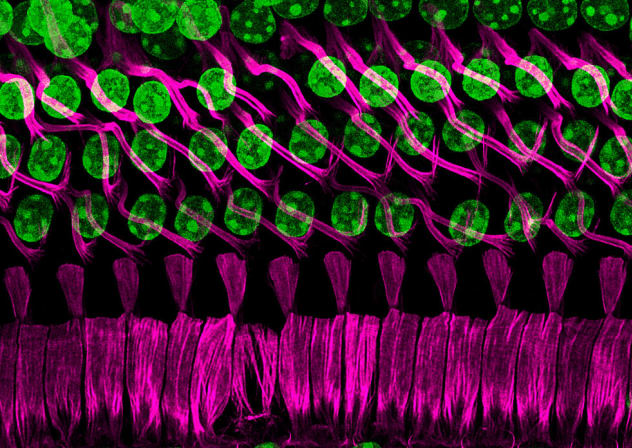
Israeli scientists help solve genetic mystery linking hearing loss and gray hair
Researchers from Tel Aviv University and international partners identified a rare genetic variant that disrupts hearing and may alter hair pigmentation.

Health Min. reviews possible sperm donor genetic mismatch at Assuta Medical Center, Tel Aviv

AI in sperm selection: Changing the future of IVF

Young ambassador: A girl’s journey to the World Cup puts a spotlight on genetic awareness
Innovative saliva test launches in Israel to screen for dozens of hereditary diseases
The once-in-a-lifetime test screens 173 genes linked to hereditary cancers, cardiovascular conditions, metabolic diseases and other serious disorders.

Man's oldest friend: Dogs have been around for over 15,000 years, genetic study shows
The dog, descended from an ancient wolf population separate from modern wolves, was the first animal domesticated by people, with animals such as goats, sheep, cattle and cats coming later.

Exploring identity through art at Jerusalem's Museum on the Seam
Two exhibitions at the Museum on the Seam proffer an emotional reality check of the lay of our land.

Understanding genetic testing and its importance to the Jewish community

One woman's fight for genetic testing led to an Israeli national policy shift - opinion
The Israeli Basket of Health Services now includes preimplantation genetic testing and in vitro fertilization (PGT-IVF) for individuals carrying three specific genetic markers.

Research reveals: This is the most important trait in choosing the father of your children
People pick partners for looks and personality, yet overlook body odor – a trait studies show may influence the immune strength of future children and reveal far more than we realize.

Understanding lifespan: Genes may unlock path to healthier aging, scientists say - study
Research by Weizmann scientists finds genetics may explain 50% of human lifespan, over twice previous estimates, opening doors to therapies targeting aging itself.

Oldest trace of Syphilis-linked DNA from 5,500-year-old bone shows disease came from Americas
Ancient DNA from a 5,500-year-old skeleton in Colombia reveals the oldest genome of "Treponema pallidum" yet, sharpening evidence that treponemal diseases predate European contact.

Israeli scientists unlock genetic links to Autism, brain disorder using CRISPR tech -study
The study used large-scale CRISPR gene-editing technology to systematically determine which genes are required as embryonic stem cells develop into brain cells.

Israeli scientists crack the code on breast cancer cells' survival in brain
The discovery could pave the way for new treatments, improved risk prediction, and earlier intervention for brain metastases.
