Archaeological study
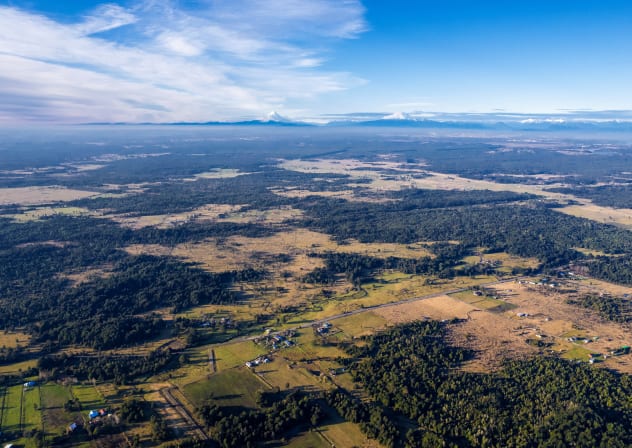
Is Monte Verde really 14,500 years old? Researchers clash over true age of Chile's ancient site
But a study published in March based on different testing called the 1997 study results inaccurate, concluding that Monte Verde dated to between about 4,200 and 8,200 years ago.

Snake snacks? Hunter-gatherer diets in northern Israel included reptiles, new study suggests

‘Smoking gun evidence’: Bronze Age shaman long thought to be male revealed to be female goldworker

Ancient Egyptian princesses were skilled archers, trained with weapons, controversial study claims
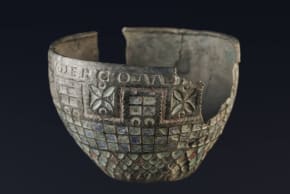
Nearly 2,000-year-old 'souvenir cup' found in Spain names Hadrian's Wall's eastern forts - study
The cup is decorated with red, green, turquoise, and blue enamel, all arranged in geometric patterns, including fish scales and tower motifs that are believed to represent the wall itself.
World's oldest plague mass grave found beneath Roman racetrack in Jordan - study
According to the study, the grave predates the Black Death burial pits from medieval Europe by approximately 800 years.

IAA reveals new study focused on ancient Jerusalem bullae in honor of Israel Excellence Week
According to the IAA, the study aims to examine Jerusalem's administrative systems from the First Temple period through the end of the Second Temple period.

Evidence of what may be world’s oldest cremation found in Ethiopia, new study reveals
The burnt bone fragments were one of three Homo sapien fossils discovered in the sediment of the Faro Daba beds in the Dawaitoli Formation.
Remains from Israel’s North show Neanderthal children grew faster than modern humans - study
According to the study, Amud 7’s remains date to approximately 51,000 and 56,000 years ago and belong to the most complete skeleton of a Neanderthal infant ever found.

Great Pyramid of Giza was built over course of 20 years, using multiple ramps, new study claims
Roig’s model found that using a single ramp would have been insufficient and would have required nearly half a century of construction to reach the pyramid’s completion.

CT scans reveal age, authenticity of child mummy housed in Polish museum for over a century - study
“We are still working on the mummy," said Professor Agata Kubala in a statement, as an "X-ray revealed the presence of an object on the chest, which may be a papyrus containing the boy’s name.”

Evidence of human sacrifice, inbreeding found at ancient Korean burial complex - study
Additionally, researchers found genetic confirmation that entire families had been sacrificed together as part of sunjang, the ritualistic sacrifice of servants to be buried alongside their superiors

Neanderthal children in central Europe may have hunted turtles for materials, not for food - study
The study also floated the possibility that the turtles had been hunted for “their taste or for an assumed medicinal value.”

Early humans may have begun eating elephants, large animals 1.8 million years ago - study
The fat stored in Elephant bones, which is rich in essential nutrients, is thought to have played a role in supporting the growth of larger brains in the Homo erectus lineage.
