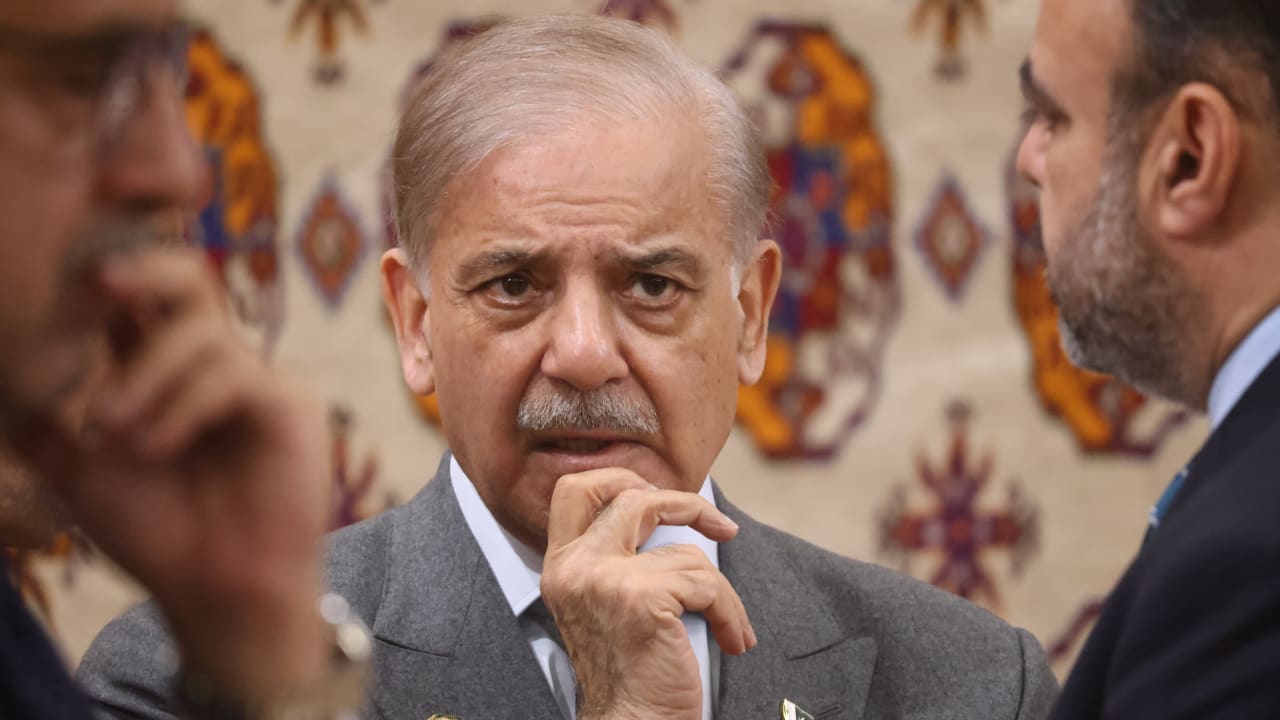
Pakistan’s Prime Minister Shehbaz Sharif said Wednesday that Islamabad is pushing for diplomacy to ease rising tensions between the United States and Iran, as planned Iran-US nuclear talks in Oman are now scheduled for Friday after a reported breakdown over the meeting’s format and location.
For more stories from The Media Line go to themedialine.org
Speaking during a federal cabinet meeting, Sharif said Pakistan has maintained direct and indirect engagement with Iranian leaders in an effort to calm the situation. He cited his own outreach as well as contacts by Deputy Prime Minister Ishaq Dar and Field Marshal Gen. Asim Munir, saying that “whatever role could be played as a brother, we have played.”
Sharif added that Pakistan is coordinating with Qatar, Turkey, Egypt, Oman, and Saudi Arabia to “find a way through dialogue” and prevent further escalation in an already volatile region.
Questions raised over talks
Earlier this week, US officials rejected Iran’s request to shift the planned negotiations from Turkey to Oman and to limit the agenda strictly to nuclear issues. Washington had pushed for a broader framework that would also address Iran’s ballistic missile program, regional proxy activity, and human rights concerns. According to US officials cited by American media, the talks were effectively canceled after Tehran declined the original terms, which raised the possibility that no meeting would take place this week.

Pakistan’s Foreign Ministry had previously confirmed it accepted an invitation to participate in the talks, signaling Islamabad’s interest in serving as a regional interlocutor.
Oman has historically functioned as a quiet channel between Washington and Tehran, including during backchannel contacts that helped shape earlier nuclear diplomacy. However, current disagreements suggest both sides remain far apart on both substance and structure.
Iranian reports said Foreign Minister Sayed Abbas Araghchi would lead Tehran’s delegation, while the US team was expected to be headed by the American president’s envoy Steve Witkoff, with possible participation by Jared Kushner, President Donald Trump’s son-in-law and adviser.
For Pakistan, the stakes are practical as well as political: avoiding a broader conflict near its borders, protecting trade routes and energy flows, and limiting instability that could spill across South and West Asia. With formal talks now uncertain, Islamabad’s call for dialogue may become more urgent than ever.