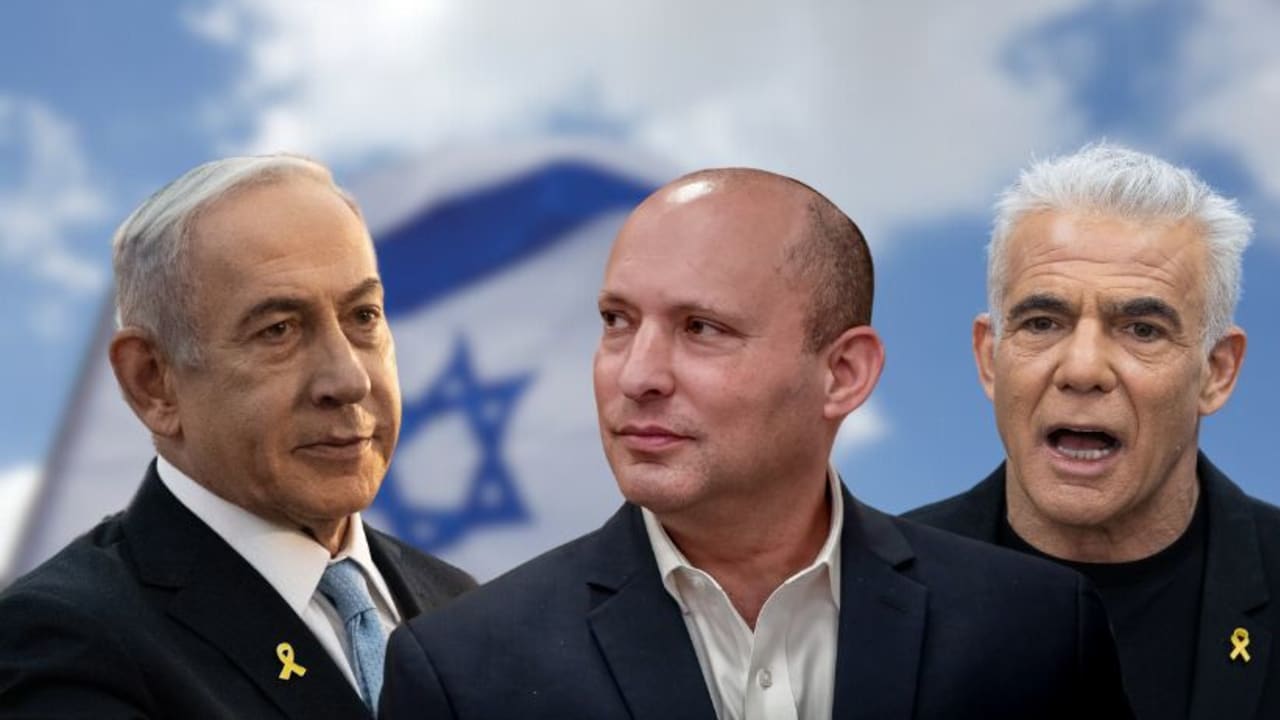
The Israeli Knesset may shift after the next elections, with the opposition projected to gain a 61-seat majority if led by Naftali Bennett, according to a Maariv poll published Friday. The current coalition would receive just 49 seats.
Benny Gantz’s Blue and White party would win four seats, just above the electoral threshold, according to the same poll. If MK Gadi Eisenkot were to form a new party, it would not change the overall balance between the two blocs.
A key factor could be the creation of a new party by Israel-Hamas War veterans, reservist groups, and youth organizations, which would become the third-largest faction if it runs. The poll shows this party would receive 13 seats, behind Likud with 21 (down from 25 without the new party) and Bennett’s party with 18 (down from 23).
Unlike Bennett and Eisenkot, this new party appears to draw support from undecided voters, the opposition, and Likud.
Under this scenario, the opposition would rise to 66 seats, while the coalition would drop to 44. Arab parties would retain 10 seats, indicating a clear opposition win.

However, two opposition parties - Blue and White and Eisenkot’s hypothetical party - are polling at just four seats each, putting them at risk of falling below the threshold. If one or both fail to enter the Knesset, the political map could shift significantly.
The hostages and Gaza are vital issues
The poll also explored views on how best to secure the release of hostages. Half of the respondents (50%) favored a comprehensive deal involving the release of all hostages in exchange for a ceasefire and Israeli withdrawal from Gaza.
Meanwhile, 38% supported continuing the military campaign to occupy and annex parts of Gaza until Hamas collapses, and 12% had no opinion.
Among Netanyahu coalition voters, 73% supported continued military action. In contrast, 79% of opposition voters backed a comprehensive deal, even with potential concessions.
On the issue of hunger in Gaza, 47% of Israelis said they believe there is no crisis and that reports are Hamas propaganda. Another 41% said the crisis is real—23% expressed concern, while 18% did not. An additional 12% were unsure.
The political divide is stark: 77% of coalition voters believe the hunger crisis is fabricated, while 59% of opposition voters believe it is real. Among them, 38% said they care, and 21% said they do not.
Antisemitism while traveling a problem
Finally, the survey also revealed widespread concern about travel to Europe. Amid rising incidents targeting Israelis, 61% of respondents said they fear being harmed while traveling in Europe simply for being Israeli.
Only 31% said they are not concerned, while 8% were unsure. On this issue, there was broad consensus across the political spectrum: 64% of both coalition and opposition voters expressed the same fear.
The poll was led by Dr. Menachem Lazar, conducted between July 30 and 31, and has a maximum sampling error of 4.4%. There were a total of 511 respondents, who constitute a representative sample of the adult population in Israel, aged 18 and above.