Israel Elections
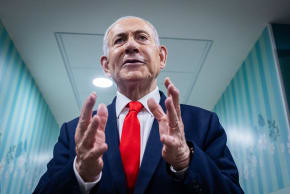
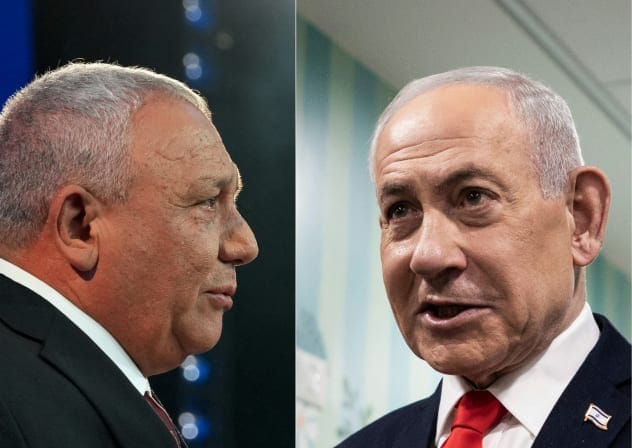
Middle Israel: Netanyahu and Eisenkot both lost, but Israel may have emerged the winner
The opposition had every reason to win by a landslide, but Eisenkot offered no vision beyond replacing a failed government.
Netanyahu survived Israel's election - but a political reckoning may only be beginning

Without political renewal, Israel will remain stuck - editorial

Israel’s coalition politics: How can you win an election and still lose power? - explainer
Broken promises or new elections? Netanyahu, Eisenkot face coalition dilemma
Eisenkot could command a 67-seat majority with the Arab parties, but three of his bloc’s four parties explicitly ruled that out.
Majority of opposition voters back Eisenkot-led government with Arab party Ra'am - poll
In addition, 20% preferred holding new elections, while 12% supported a rotation government with Netanyahu. Just 7% favored forming a coalition with the ultra-Orthodox parties.
Shin Bet probes foreign election interference, warns against blaming Arab voters
The Shin Bet says its inquiry into suspected foreign funding is unfinished and limited, and must not be used to discredit Arab citizens who voted lawfully.

Iran expert says second Israeli election would be ‘the best thing' that could happen to Tehran
Iran fears Netanyahu more than his rivals because, in Tehran’s eyes, a leader in politics for 30 years looks like one of its own, says INSS expert.
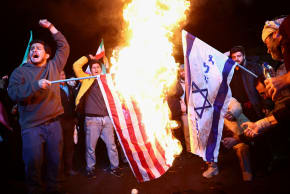
Iran targeted Israeli election, US midterms with cyber, recruitment plans – report
With neither Netanyahu nor Eisenkot holding a clear path to a coalition, Tehran sees a prolonged stalemate as time to rebuild military capabilities damaged in the conflict.
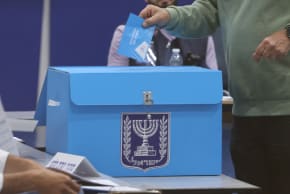
Shas officials blame hardline draft stance for one of party’s worst-ever election defeats
Shas has lost about 30% of its voters since 2022, leaving the ultra-Orthodox party with barely half its previous representation.

Former Shas minister blames Deri for alienating voters as party drops to six seats
Commentators say Arye Deri should have stopped the conscription crisis before it cost the party its base, calling him a 'millstone' around the ultra-Orthodox party's neck.
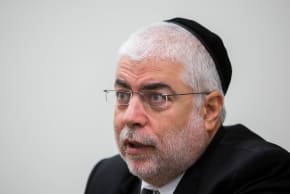
Opposition considers Lapid for Knesset Speaker appointment - report
The opposition bloc, which includes Yashar, B’Yachad, Yisrael Beytenu, and the Democrats, is expected to enter the Knesset with 48 seats, according to Central Elections Committee data.

Israel election results signal political deadlock, raising three possible post-election scenarios
With neither Netanyahu nor Eisenkot securing a parliamentary majority, Israel faces three possible outcomes: an opposition coalition, a unity government, or another election.
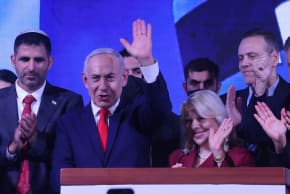
Israel's pollsters and editors owe an explanation after failing voters - comment
Three major broadcasters missed Likud by five to seven seats. The disagreement among pollsters was there to report all along, and newsrooms, ours included, failed to make it the story.