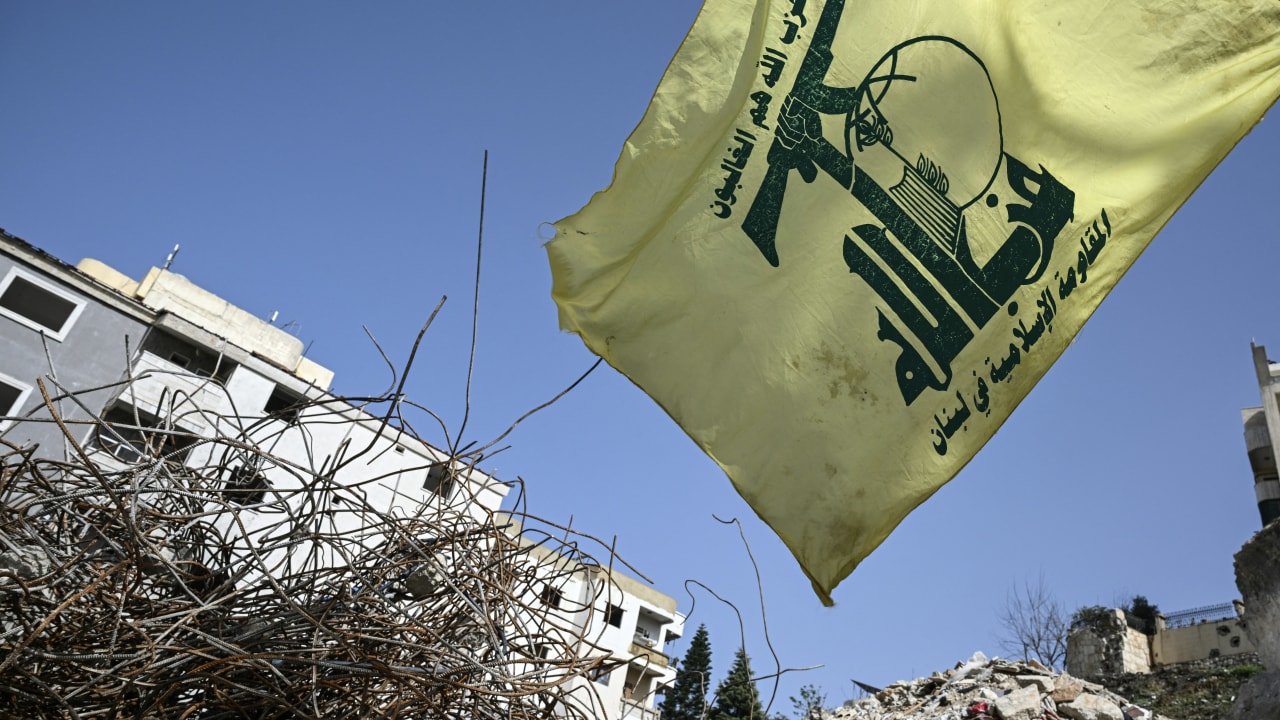
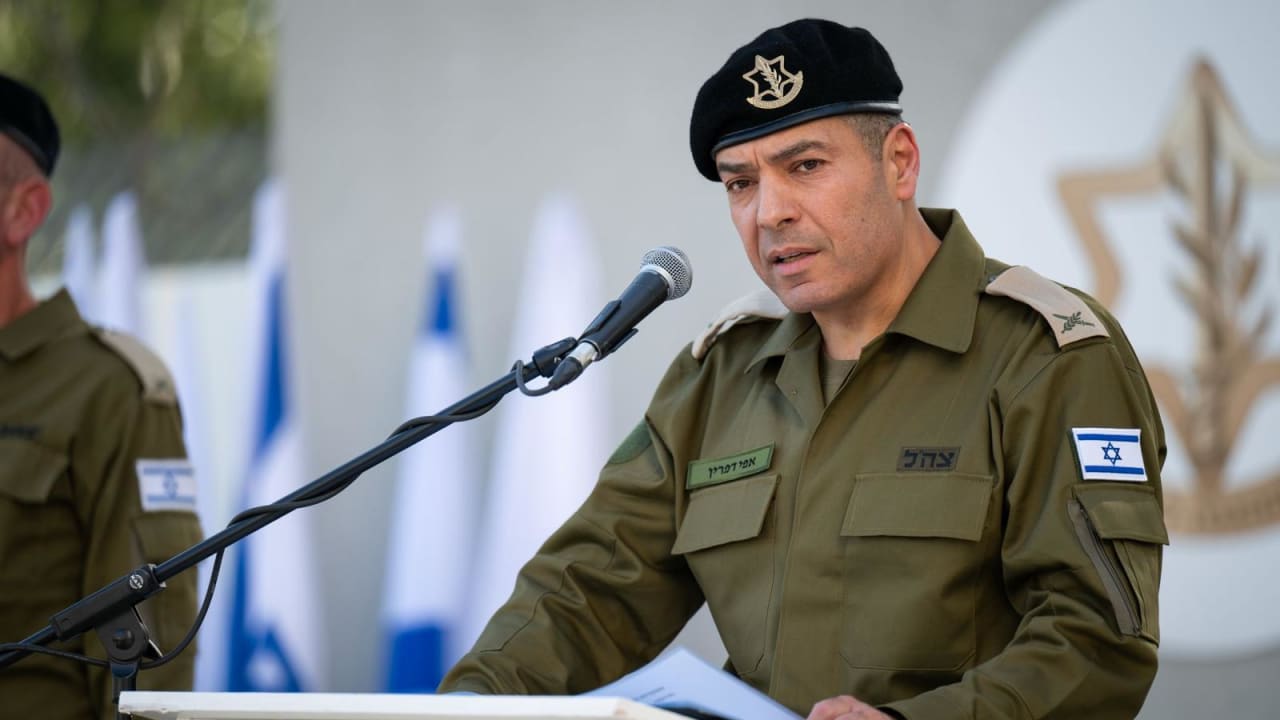
About one-third of Hezbollah’s pre-2023 forces have been killed by the IDF in recent years, IDF Spokesperson Brig.-Gen. Effie Defrin said Thursday.
He was addressing criticism that the IDF and the government were not doing enough to protect Israelis near the Lebanese border and IDF soldiers in southern Lebanon from Hezbollah’s first-person view (FPV) drone attacks.
About 2,500 Hezbollah fighters have been killed since March, and the IDF has said 7,000 to 8,000 terrorists have been killed since October 8, 2023, Defrin said. This accounts for one-third of Hezbollah’s fighters, as they numbered around 30,000 fighters in 2023, he said.
These statistics clash with other IDF estimates, which say Hezbollah has 40,000 to 50,000 fighters.
The IDF has said about 10,000 Hezbollah fighters have been wounded in the current war, and many more terrorists were wounded during the 2023-2024 conflict, including thousands on September 17-18, 2024, when the Mossad unleashed the exploding pagers on Hezbollah.
In addition, Israel has recently killed Hezbollah commanders in relatively high positions, including the El-Hiam region commander, the deputy commander of the special Badr unit, the intelligence chief of the Shakif region, the engineering commander and deputy commander of the Yohmor region, and the engineering commander of the Jouaiyya region, the IDF said.
Despite Defrin’s reassurances, other senior IDF officers have told The Jerusalem Post it could be months before the IDF has a real answer for the relatively new FPV drone threat.
Another senior IDF officer said the military has handed out special shotguns that fire US-made bullets, which operate by spraying an area with smaller pellets. This increases the likelihood of striking a small threat, such as a drone, which a soldier might miss when firing only in one area at a time.
Furthermore, the IDF has spread the use of nets to catch and disrupt the FPV drones.
The IDF, working with the Defense Ministry and a number of private businesses, is testing and developing a number of measures to better detect FPV drones and quickly warn soldiers about an impending drone attack.
Breaking Hezbollah-Iran link
Meanwhile, a senior IDF officer expressed frustration that while the IDF wants to break the link between Hezbollah and the ongoing US-Iran talks, Israel may be unable to do so.
The outcome of the talks depends more on the US than on Israel’s military or diplomacy, the IDF said.
If Hezbollah is kept out of any ceasefire deal with Iran, Israel would gain a strategic advantage against the group in the future, it said.
Moreover, the IDF was positive about the ongoing negotiations between Israel, the US, and the government of Lebanon, which has continually distanced itself from Hezbollah during the current war.
There is a clash between the IDF’s desire to be the party that disarms Hezbollah versus the reality that Hezbollah has assistance from Iran, which may grant it bargaining power with the US.
Hezbollah has been pushing Iran to reach a ceasefire deal with the US so that it can rest after entering a war that has handed it major losses, the IDF said.