The Knesset’s ultra-Orthodox (haredi) parties boycotted the Knesset plenum on Monday due to the delay in publishing the text of a bill that would exempt over half of all eligible men from IDF service.
The boycott marked an uptick in the haredi parties’ pressure campaign, as they had previously refrained from boycotting the plenum on Monday, which usually includes legislation that is at an advanced stage in the legislative process. The haredi parties have been boycotting the plenum on Wednesdays, which mostly includes preliminary voting, since May.
The coalition as a result did not have a majority for Monday’s plenum session, and removed all of its items from the agenda, including a provision to appoint United Torah Judaism MK Yisrael Eichler as the new Housing Minister, after the previous minister Yizhak Goldknopf resigned.
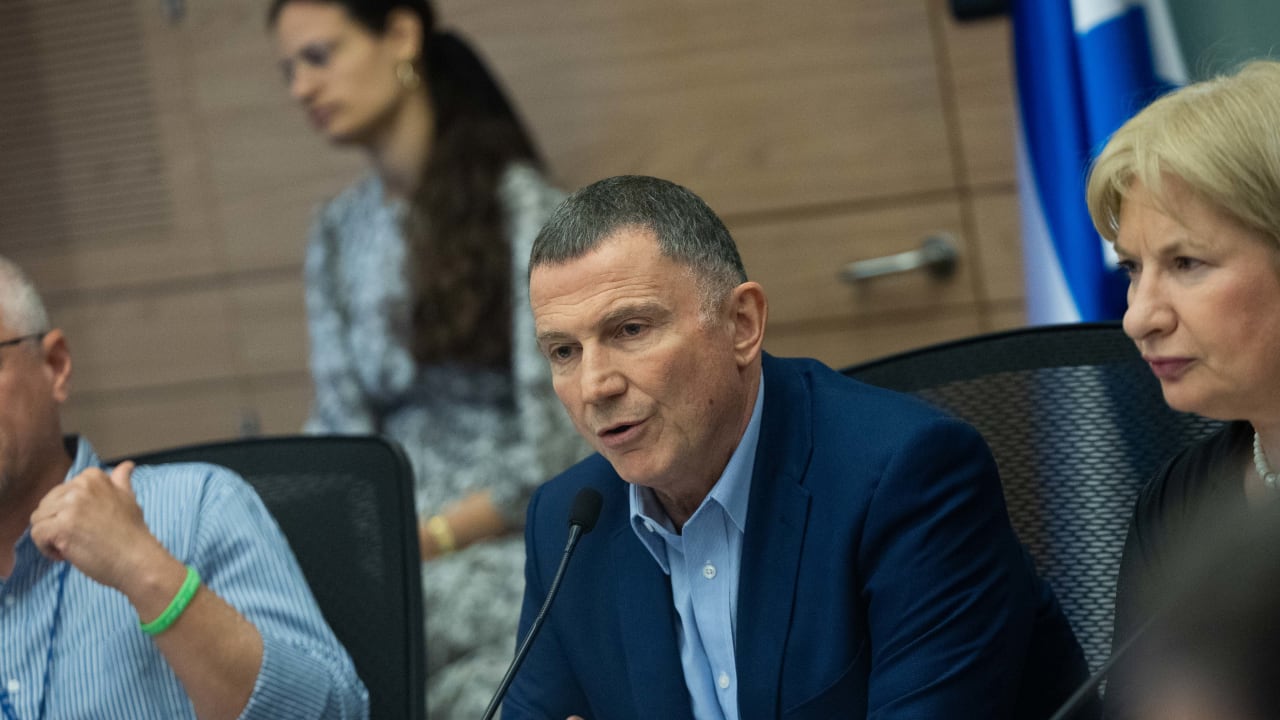
Knesset Foreign Affairs and Defense Committee Yuli Edelstein and the committee’s legal team is in advanced stages of compiling the new bill. Edelstein has not met with representatives of reservist organizations, who are calling for a stricter law, since Thursday. The reservist organizations viewed this as a sign that Edelstein had caved to haredi demands. However, true to Monday evening, no bill had been published.
The delay was notable, since Edelstein reached agreements with haredi representatives on the evening of June 12, just prior to Israel’s surprise attack against Iran. A spokesperson for Edelstein said last week that the committee leader wanted to change some aspects of the bill, but that this would not drastically alter it.

The June 12 agreements included the following:
1. A gradual increase in draft quotas of haredim, beginning with 4,800 haredi draftees in the 2025-2026 draft year that begins on July 1; 5,700 draftees in the following year; and 50% of the haredi graduating class within five years (approximately 9,000 recruits out of an estimated 18,000 graduates). Reaching 95% of the quota will be considered sufficient.
2. Sanctions for draft dodgers will apply gradually, some immediately, and others following six months, a year, and two years. Immediate sanctions on individuals upon the law’s enactment include: Suspension of driver’s license and prohibition from obtaining one; travel restrictions on leaving the country (with an exceptions committee); cancellation of affirmative action in public service employment; cancellation of subsidies for academic studies; and loss of tax credit points until age 26 (for those working).
3. Following six months, if draft quotas are not met, draft dodgers will no longer receive subsidies on public transportation or on daycare for the following six months.
4. Following a year, draft dodgers will lose, for the following year, National Insurance benefits, access to discounted housing programs, and subsidies on second-hand real estate purchases.
5. Following two years, draft dodgers will lose access during the third year to subsidized afternoon daycare and subsidies on new real estate purchases.
6. Sanctions on yeshivot that do not meet quotas: If less than 75% of the target quota from a specific yeshiva is met, 100% of that yeshiva’s funding is revoked. If 75% or more of the quota is met, the remaining portion will be doubled and deducted from yeshiva funding. For example, if 80% of the target is achieved, the remaining 20% is doubled (40%) and cut from the yeshiva budget.
Will not lead to increased service
Haredi MKs have claimed that the agreement constituted serious concessions, but a series of officials and opposition politicians pointed out what they argued were significant flaws, that will ultimately not lead to increased service.
The head of the Finance Ministry Budget Department, Yoav Gardos, wrote in a letter to FADC legal advisor Miri Frenkel-Shor on Wednesday that the agreement would actually serve as an incentive not to enlist and not to work, and in effect perpetuate the issues that it set out to solve.
Gardos pointed out that the idea of quotas may already be a nonstarter, since they did not place a specific requirement for individual haredim to enlist. In addition, Gardos explained that the so-called personal sanctions, which would apply immediately, are not so damaging. For the most part, these would not significantly affect many young haredi yeshiva students. In the meantime, the law’s passage will free up funds to yeshivot and to parents that are currently frozen because of students’ draft evasion.
Other critics argued that the numbers mentioned in the agreement were outdated. The IDF has already announced that it has the capacity to recruit the entire haredi “pool” of eligible men by 2026. The legal basis of only requiring approximately 10,000 recruits out of the approximately 80,000 eligible men was therefore unclear.