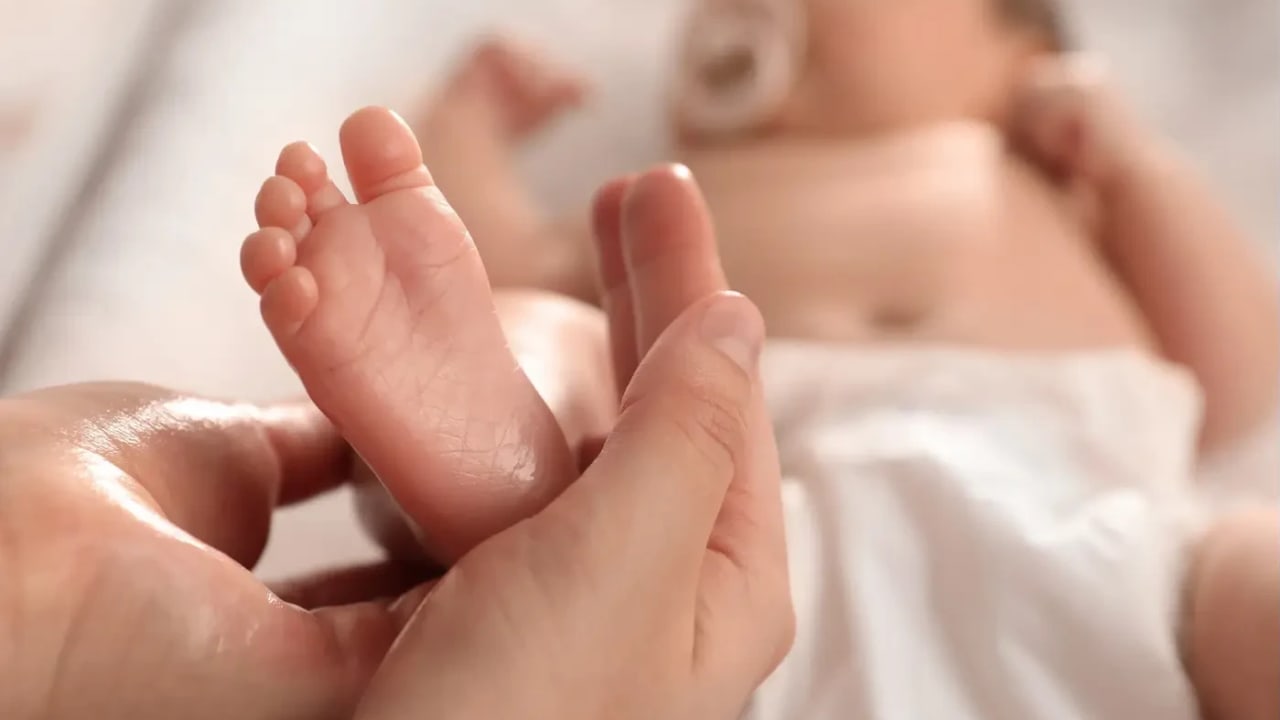
The Israeli summer is challenging not only for adults. The delicate skin of newborns is also affected by heat, humidity, and sun exposure. Right from the first days of life, a newborn's skin requires adapted and careful care to prevent dryness, irritation, and rashes.
According to Dr. Shiran Reiss Hoess, a senior physician in the Pediatric Dermatology Unit at Schneider Children's Medical Center for Israel of the Clalit Group, a minimalist approach is precisely what benefits babies' skin during the summer period.
Why is newborn skin more sensitive?
Newborns' skin is particularly thin and delicate, and its natural defense mechanisms are not yet fully mature. The skin barrier is insufficiently developed, resulting in increased fluid loss alongside higher sensitivity to environmental factors and external substances. Consequently, even relatively mild irritation can lead to redness, dryness, or a rash.
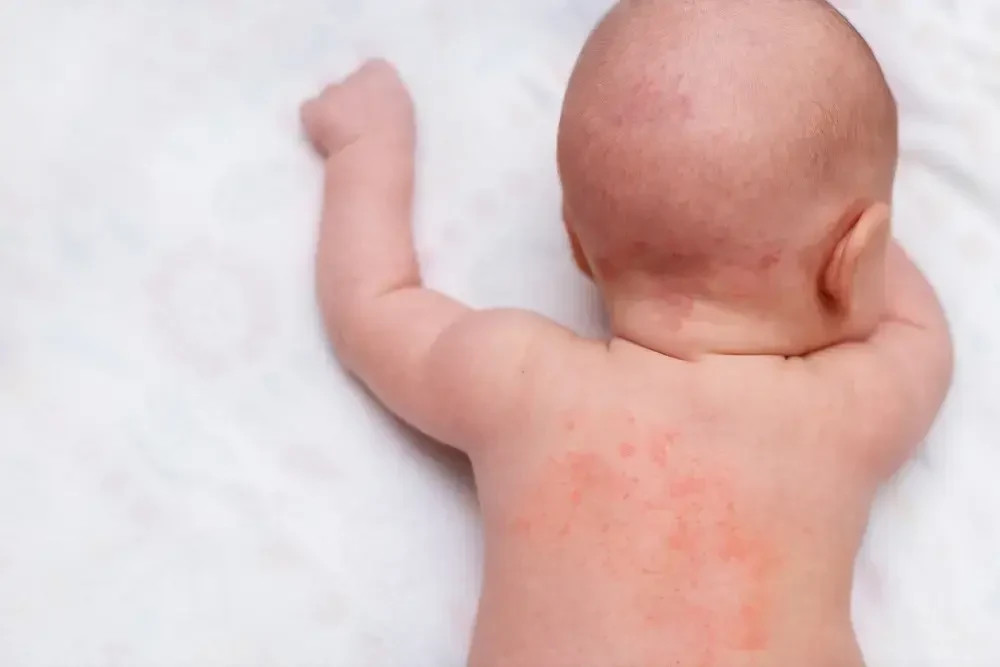
During the summer months, many babies suffer from heat rash, or by its medical name, miliaria. This is a rash that usually appears in skin fold areas, on the neck, armpits, and groin, manifesting as small pimples or redness.
The reason for this is the blockage of sweat glands in hot and humid conditions. The best way to reduce the risk is to ensure light, airy, and not-too-tight clothing, alongside maintaining a pleasant environment and avoiding overdressing.
Fewer products – better for the skin
Many parents tend to use a wide variety of baby skincare products, but in most cases, there is no need for it. Sometimes, an excess of products can actually overburden sensitive skin.
One bath a day in lukewarm water is usually sufficient to maintain hygiene. It is recommended to choose a gentle, fragrance-free soap and avoid excessive use of various products. When the skin is normal, there is generally no need to apply creams regularly. If dryness appears, a dedicated baby moisturizer can be used as needed.
"The key is minimum intervention," explains Dr. Reiss Hoess. "A simple and gentle routine helps maintain the skin's natural balance."
Sun and newborns: Exercise special caution
Newborn skin is highly sensitive to sun radiation, which is why it is recommended to avoid direct exposure as much as possible at least until the age of six months.
The recommendation is to prefer physical protection – staying in the shade, using a hat, and wearing appropriate clothing – and planning outings for the early morning or afternoon hours. Additionally, it is important to avoid fully covering the baby's stroller with fabric, as this can cause a significant temperature increase inside the stroller.
Of course, a baby should never be left in a closed vehicle, even for a short time, due to the rapid danger of overheating.
From the age of six months, dedicated baby sunscreens can also be integrated, but the most effective protection still remains avoiding direct sun exposure, especially during peak heat hours.
What about the diaper area? The diaper area is considered particularly sensitive in summer due to the combination of heat and humidity, which increases the risk of diaper rash. To reduce irritation, it is recommended to change diapers frequently, clean the area gently, and ensure the skin is completely dry before fastening the diaper. Diaper cream can be used as needed.
According to experts, one of the most common mistakes is fastening the diaper while the skin is still damp, a condition that can worsen irritation and lead to a rash.
When should you see a doctor?
If the rash worsens, does not clear up, or if pimples with discharge or signs of infection appear, or when the baby seems to be suffering, restless, or showing persistent agitation, a medical examination is recommended.
Bottom line, in most cases, newborn skin does not require complex care. On the contrary, a simple routine, adapted to the Israeli summer and as gentle as possible, is the best way to maintain healthy and calm skin.