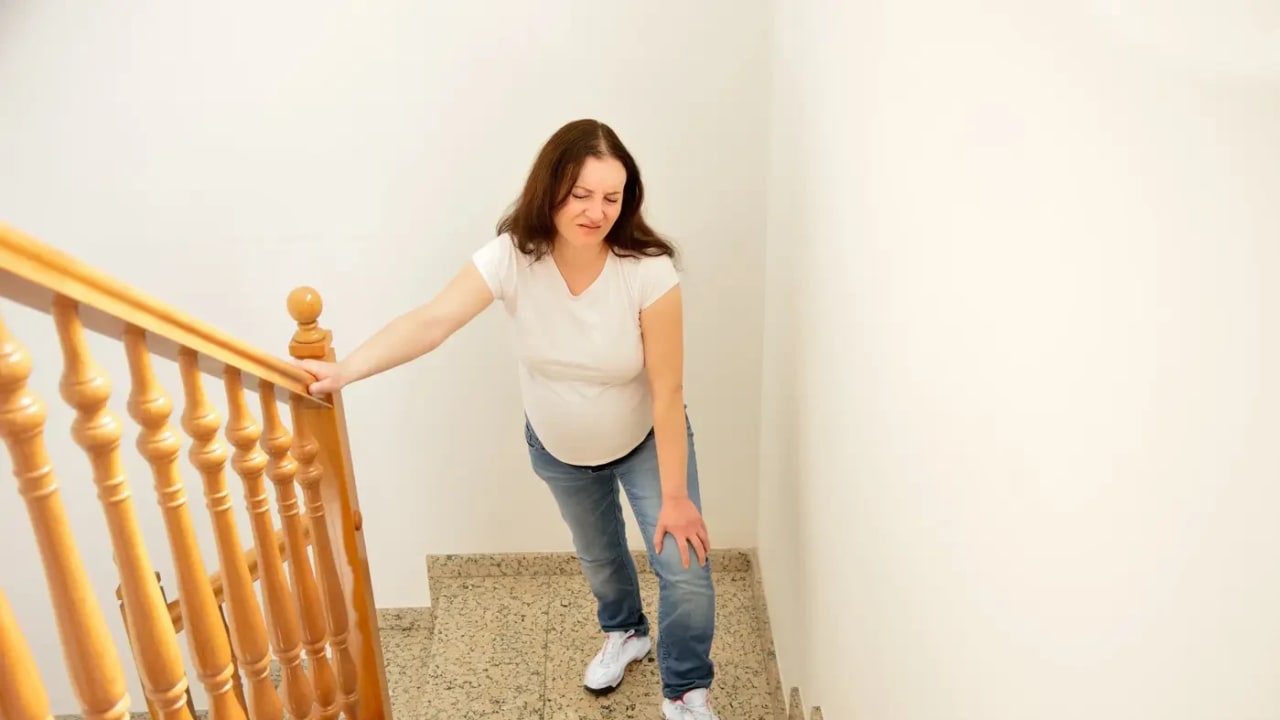
Many tend to think that difficulty climbing stairs, getting up slowly from a chair, or opening a stubborn jar are an inseparable part of aging. But sometimes these are not “signs of age” but rather evidence of sarcopenia – a silent disease of the muscular system.
Muscles make up about 40% of body mass and contribute not only to movement and posture but also to blood sugar balance, maintaining a healthy weight, joint and spine support, and even cognitive function.
When muscle mass and strength decline – endurance decreases, fatigue increases, independence drops, and the risk of falls, fractures, and cardiovascular diseases rises.
Accelerated Muscle Mass Loss
Sarcopenia is defined as an accelerated loss of muscle mass, strength, and function. It is more common in older adults but can also appear in younger people during chronic illness or inactivity.
Risk factors include:
• Sedentary lifestyle and lack of physical activity
• Low-protein diet
• Natural hormonal decline
• Chronic illnesses and acute events such as hospitalization or injury
In older age, recovery from muscle loss is slower and sometimes incomplete – leading to a cumulative decline in function.
Prevalence ranges between 10% and 40% of the elderly population, depending on age and diagnostic method.
In a pilot study conducted at Meuhedet, Central District, among 214 patients aged 65+, it was found that:
• 27.1% were in a pre-sarcopenia state
• 6.3% were diagnosed with sarcopenia
• 0.93% had severe sarcopenia
The findings highlight how common the phenomenon is – and how important early detection is.
How to Identify the Silent Disease
Sarcopenia develops gradually and is sometimes unnoticeable. Many attribute the symptoms to age, and even professionals may miss the diagnosis.
Diagnosis is based on three complementary components:
- Muscle strength – measured by grip strength.
- Muscle mass – measured using body composition devices or circumference measurements.
- Daily function – usually assessed by walking speed.
The combination of these three tests makes it possible to determine whether it is sarcopenia and to tailor the treatment.
How to Treat Sarcopenia
Treatment is based on a combined approach:
• Personalized physical activity – mainly resistance and strength exercises guided by a physiotherapist.
• Proper nutrition – with an emphasis on sufficient protein, guided by a dietitian.
• Balancing background illnesses – by the attending physician.
• Mental and social support – to strengthen quality of life.
The encouraging news: Even at a very advanced age, it is possible to significantly improve strength, function, and quality of life with appropriate intervention.
Sarcopenia is a common but diagnosable and treatable disease. You don’t have to wait for a fall or loss of independence to act. Awareness, simple tests, and timely treatment can stop the process and restore control.
Dr. Yacov Grosman, Head of Physiotherapy, Meuhedet Central District