
The war that Israel is currently fighting on multiple fronts has placed immense psychological and social strain on the civilian population. Some of the most pressing stressors include the following:
• Fear for personal safety: Constant rocket attacks, air raid sirens, and the looming threat of violence create ongoing anxiety.
• Hostage crisis: The uncertainty surrounding kidnapped civilians and soldiers deeply affects families and the national psyche.
• Economic hardship: Job losses, business closures, and financial instability have significantly increased stress levels.
• Mental health crisis: An estimated three million Israelis are struggling with war-related PTSD, depression, and anxiety, with inadequate access to care.
• Political uncertainty: Some Israelis feel disillusioned with leadership, believing that political motives are interfering with war efforts and hostage negotiations. Others do not share this view but remain deeply concerned about the government’s plans regarding the war in Gaza, the nuclear threat from Iran, and the uncertainty surrounding potential US negotiations with Iran, which may not fully align with Israel’s security needs.
• International pressure: Criticism from foreign governments and shifting diplomatic relations further add to the national stress.
• Displacement: More than 250,000 Israelis have been displaced from their homes, leading to loss of social support and increased mental health risks.
• Family separation: Too many soldiers have fallen in battle, leaving the surviving family members, which includes many children, in unbearable pain. Also, soldiers on extended duty and evacuated families experience emotional strain and disrupted relationships.
A massive rise in Israeli smokers post-October 7
SO WHY am I writing about nicotine addiction? While reviewing the literature, I was surprised to learn the following:
Before the war, 23% of Israelis were regular cigarette smokers, with smoking being more common among men (30%) and less frequent among high-income earners (15%). E-cigarette use stood at 12% of the population, with higher prevalence among young adults aged 16 to 24 (18%).
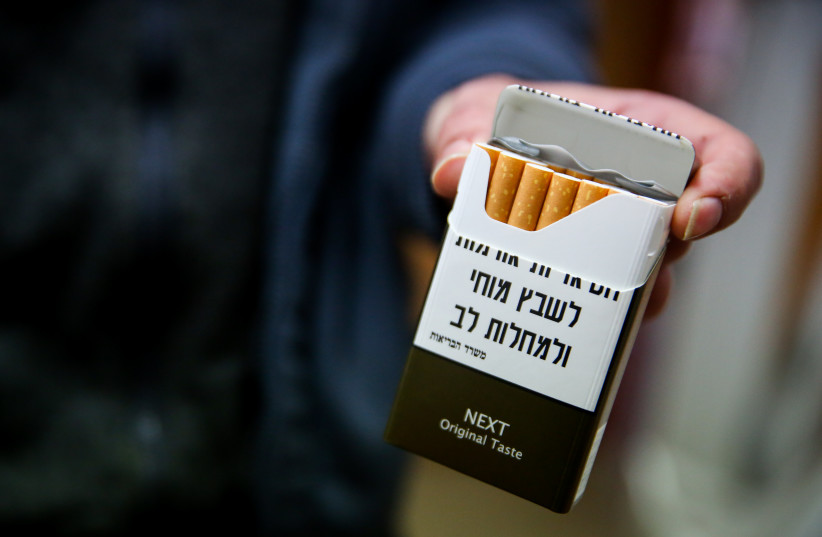
Since the war began, one-third of Israelis have started or resumed smoking, according to a survey by the Israel Cancer Association. Additionally, 5% of smokers reported increasing their cigarette consumption.
Public health experts note that stress-related smoking spikes have been observed in previous conflicts, and anecdotal evidence suggests that this war has reversed years of declining smoking rates.
This trend is alarming, as smoking-related illnesses claim the lives of approximately 154 Israelis per week (12,000 annually, with this number expected to rise). Evidence suggests that serving in the IDF is associated with an increase in smoking, and this trend is clearly on the rise.
The spike in smoking highlights the urgent need for mental health support and public health interventions to help individuals manage stress in healthier ways.
The harsh reality of smoking
Worldwide, tobacco products kill five million people every year. This should come as no surprise when considering that cigarettes contain 4,000 toxic chemicals, 200 of which are carcinogenic. Some of these harmful chemicals are benzene, formaldehyde, ammonia, acetone, tar, hydrogen cyanide, arsenic, and carbon monoxide.
Cardiologists remind us that the leading cause of smoking-related deaths is coronary heart disease. Smokers are two to four times more likely than nonsmokers to develop coronary heart disease, and 20%-40% of deaths from heart disease are directly attributable to smoking.
Additionally:
• One in three cancers in the body is directly linked to tobacco use.
• 70% of lung cancer cases are caused by cigarette smoking.
• Smoking can cause infertility in both men and women and is linked to impotence in men.
The neuroscience of nicotine addiction
If smoking is so harmful, why do people get hooked? Neuroscientists explain this phenomenon well.
Nicotine use releases excessive amounts of dopamine and norepinephrine (adrenaline) in the brain’s reward centers, producing feelings of relaxation while enhancing alertness and boosting energy. This pleasurable effect creates a cycle of addiction, where individuals seek nicotine both to experience the positive sensations and to avoid withdrawal symptoms.
Once the smoking addiction sets in, cognitive patterns and emotional states become intertwined. For example, smokers who are feeling depressed and hopeless may associate cigarettes with relief, making them crave a cigarette when confronted with these emotions.
External triggers – including people, places, and situations – can also reinforce smoking behavior, leading to repeated tobacco use whenever these cues appear, such as craving to buy cigarettes when seeing them displayed at a place where they were previously purchased.
Although most smokers say they want to quit, their deep psychological and physical dependence on the habit makes it extremely difficult to do so.
Israel has followed the lead of other Western nations by banning smoking in public places. However, since the start of the war, adherence to these regulations appears to have relaxed significantly.
Help is available
Twenty years ago, I created a smoke cessation program called SmokeQuitters. I treated many smokers both individually and in groups, and helped many people quit smoking. My program was very structured, and my approach supportive and tailored to each person’s unique emotional issues. The program works well, and the results are long-lasting.
All major health funds, as well as the Israel Cancer Association, offer smoking cessation workshops to help individuals quit.
If you are not a smoker, my message is simple: Don’t start. However, if you are using cigarettes and cannot stop, get help. There is no question that smoking is deadly, but its dangers are entirely preventable. Quitting smoking is a decision that no one ever regrets.
The writer is a cognitive-behavioral psychotherapist specializing in adult and couple therapy, with a sub-specialty in treating anxiety, adjustment, depressive disorders, and addiction. He sees clients in Ra’anana and Jerusalem. drmikegropper@gmail.com; Facebook: www.facebook.com/drmikegropper