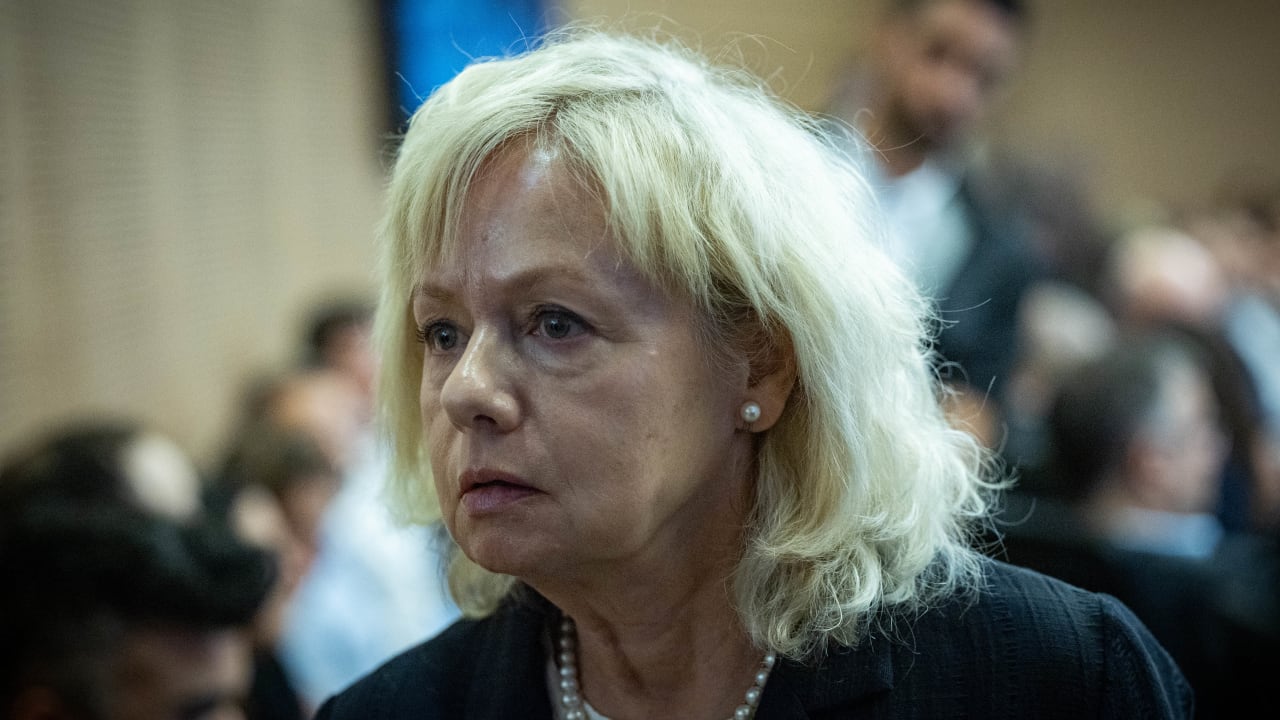
Attorney-General Gali Baharav-Miara will not be appearing this week before the panel hearing Prime Minister Benjamin Netanyahu’s criminal trial, following a prosecution request to postpone the hearing.
The request was submitted Monday. Presiding Judge Rivka Friedman-Feldman and Judges Moshe Bar-Am and Oded Shaham agreed to the postponement; she is now due to appear on Wednesday, November 25.
The Jerusalem District Court panel summoned Baharav-Miara to discuss how the proceedings are being managed and ways to advance them; she has not been summoned to testify as a witness.
Last Thursday, the judges ordered her to attend after prosecutors said the senior team handling the case could represent her and convey their messages. The panel said a direct exchange with the person responsible for decisions would help make the discussion effective.
The exchanges followed testimony by former attorney-general Avichai Mandelblit, whom the defense questioned about his authorization of the investigations. Prosecutor Yehudit Tirosh has also reiterated that Baharav-Miara and State Attorney Amit Aisman remain open to discussions toward an agreed resolution.
Separately, the judges have raised difficulties in proving the bribery charge in Case 4000, first in June 2023 and again this June.
Netanyahu's communications advisor downplays Walla's importance
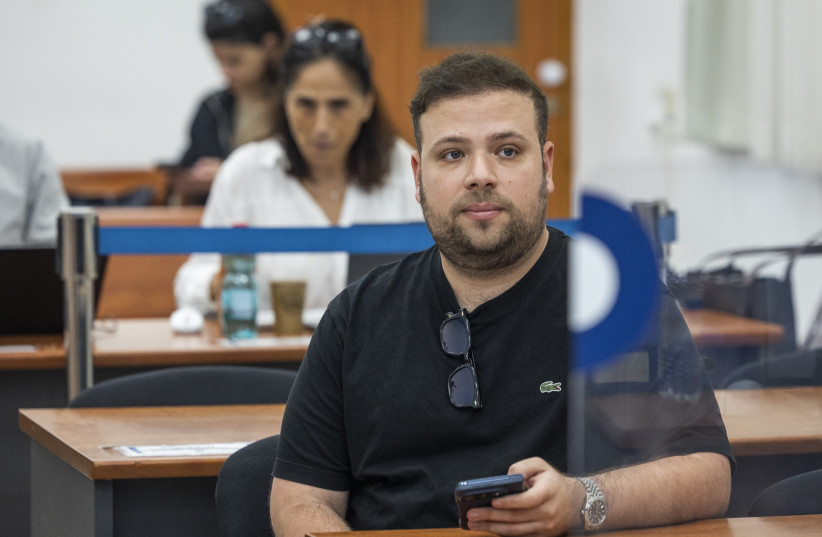
Meanwhile, Netanyahu’s communications adviser Topaz Luk testified Monday as a defense witness, describing the prime minister’s media work during the 2015 election campaign and downplaying Walla’s importance to his team.
His testimony addressed a central issue in Case 4000: Netanyahu’s relationship with the news site. Prosecutors allege that Netanyahu advanced regulatory measures benefiting telecommunications company Bezeq, then controlled by Shaul Elovitch, in exchange for intervention in coverage on Walla, which Elovitch also controlled.
Luk said he and fellow adviser Jonatan Urich saw social media as their strongest means of reaching the public directly, without relying on traditional news outlets.
“Walla was irrelevant and very hostile,” he said.
Asked about distributing press statements, Luk said Netanyahu had no involvement in deciding where they were sent. He did not recall discussions about distributing material specifically to Walla and said former Netanyahu aide and state witness Nir Hefetz was the only person who raised the site with him.
Luk distinguished between routine media work, which advisers could handle themselves, and occasional major controversies requiring Netanyahu’s attention. Even then, he said, discussions could last five minutes, or 20 in exceptional cases.
He also said unflattering photographs bothered the communications team but were not something they took to Netanyahu.
Asked how his description of Walla squared with Netanyahu giving the site interviews before the election, Luk said the campaign sought exposure wherever it could reach different audiences. Hefetz had promised balanced treatment, he said, but the interview itself was hostile.
Luk also described a meeting at Walla early in the campaign, arranged by Hefetz, at which the site’s representatives sought campaign advertising spending. According to Luk, then-CEO Ilan Yeshua promised fair and balanced coverage, but Luk remained unconvinced and preferred investing in social media.
Luk says he was unaware of Sara Netanyahu's involvement
On Sara Netanyahu’s involvement, Luk said he was not aware of her participating in political matters. When statements concerned her personally, however, their wording was coordinated with her through Hefetz.
“Every couple consults, but I wasn’t aware of involvement,” he said.
Luk’s examination by the defense lasted about an hour and a half, after which prosecutors began cross-examining him.
Netanyahu’s trial, which began in May 2020, concerns three cases involving gifts from wealthy businessmen and alleged dealings with media owners. He faces charges of fraud and breach of trust in all three cases, and bribery in Case 4000. He denies wrongdoing.
Case 1000 concerns expensive gifts Netanyahu allegedly received from businessmen Arnon Milchan and James Packer, and actions he allegedly took to advance Milchan’s interests while in office.
Case 2000 centers on discussions between Netanyahu and Yediot Aharonot publisher Arnon Mozes about more favorable coverage of Netanyahu in exchange for steps to curb the newspaper’s rival, Israel Hayom.