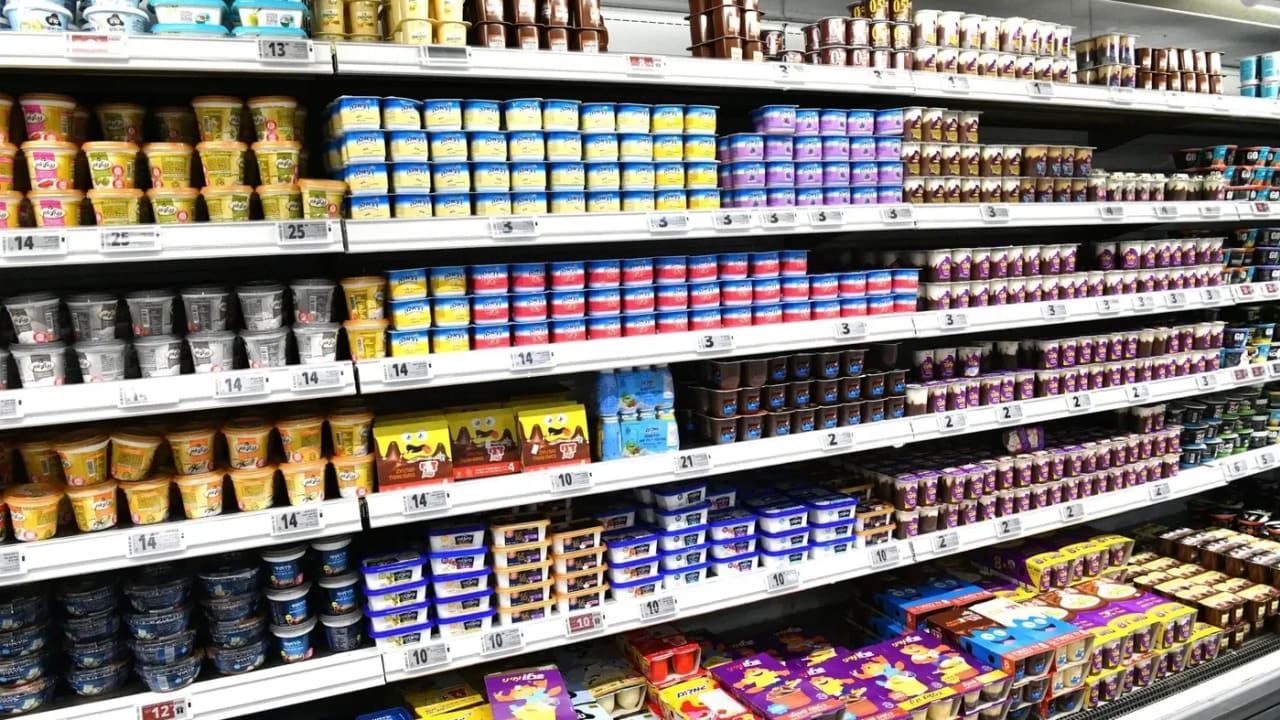
In recent years, consumers in Israel have grown accustomed to an impossible reality. They enter the supermarket, fill a cart, and pay significantly more for the exact same products each time. Rather than a sudden price list update, it has been a creeping, almost unreported increase that the public feels daily. A new study from Tel Aviv University confirms this troubling intuition.
Food prices in Israel have risen over the past four years at a rate nearly five times higher than in the preceding four-year period. The study, conducted by Prof. Itai Ater and doctoral student Adi Omer from Tel Aviv University's Coller School of Management, tracked a basket of 80 popular products from September 2022 to August 2026. It found that prices increased by 19.6% in neighborhood stores, 19% in online shopping, and 14.5% in discount chains. In the previous four years, prices rose by just 4.3%, 4.1%, and 2.8%, respectively.
The findings reflect a harsh term for the outgoing government regarding the cost of living. Although the research period begins three months before the current government was sworn in at the end of December 2022, the major wave of price increases began in early 2023 and continued through 2024 and 2025. As the government focused on political crises and the war, addressing the cost of living was pushed off the agenda while the public continued to pay more.
The researchers tracked the prices of 80 fixed products across approximately 700 stores of major retail chains for eight years, using data from the Pricez system, including promotions and discounts. The basket included well-known items such as Elite Cow Chocolate, Taster's Choice coffee, Sugat jasmine rice, Ma'adanos cheese burekas, Materna baby formula, Nutella spread, Hellmann's mayonnaise, and Sano Maxima fabric softener, alongside dairy products, fruits, vegetables, and other goods.

Food prices surge across everyday products
Some of the price increases were dramatic. A 100-gram bar of Elite milk chocolate, which cost an average of NIS 5.21 in neighborhood stores in September 2022, sold for NIS 9.26 in August 2026 – an increase of nearly 78%. Online, it rose by 73.5%, and in discount chains, by 57.6%. An 800-gram package of Ma'adanos cheese burekas jumped online from NIS 15.43 to NIS 22.76, a 47.5% increase. A 200-gram jar of Taster's Choice coffee in neighborhood stores rose 26.1%, from NIS 31.40 to NIS 39.60.
Parents of infants are also paying more. The price of 700 grams of Materna Stage 3 in neighborhood stores rose from NIS 52.63 to NIS 60.43, a nearly 15% increase, after having dropped by 0.7% in the previous four years. Hellmann's Light Mayonnaise increased by 30.5% online, from NIS 9.94 to NIS 12.98, and a 750-gram jar of Nutella spread rose by 20.7% in neighborhood stores, from NIS 27.16 to NIS 32.77. Sugat jasmine rice, which dropped 10.5% in discount chains between 2018 and 2022, has since increased by 17.7%.
In terms of actual expenditure, the basket tested at Shufersal Deal increased by NIS 231, compared to a rise of just NIS 6 in the preceding period. At Shufersal Sheli, an increase of NIS 222 was recorded compared to NIS 26 previously, and at Victory, NIS 160 compared to NIS 12. On Shufersal Online, the basket price rose by NIS 247, after having increased by just NIS 1 over the previous four years for the exact same products.
Disparities among retail chains remain significant. The total basket price rose by 22.7% at Shufersal Deal, 16% at Victory, 10.3% at Rami Levy, and 8.5% at Yohananof. These figures represent the rate of price increases rather than the final checkout cost.
According to the study, Rami Levy offered the cheapest basket among the discount chains examined, followed by Yohananof, while Tiv Taam and Shufersal Deal offered the most expensive baskets. Online shopping also became more expensive relative to in-store discount shopping. Shufersal Online recorded a 24% increase, Victory Online 18.6%, and Rami Levy Online 14.1%, prior to delivery fees.
Rising costs, weak competition, and the cost of living
A key finding highlights the gap between retail prices paid by consumers and manufacturing costs. Citing Central Bureau of Statistics data, the researchers noted that the producer price index for food manufacturing rose by only about 2% over the past four years, compared to 12% in the four years prior. While the indices are not identical, the gap raises questions regarding explanations provided by food manufacturers and retail chains whenever price hikes are announced.
The researchers noted that increases in VAT, municipal property taxes, electricity, water, fuel, and price-controlled goods contributed to the price hikes, but do not fully account for them. During the same period, the shekel strengthened and global food prices fell from their 2022 peak, factors that could have lowered import costs and mitigated price increases. Israeli consumers saw little benefit from these trends, even though food prices in Israel were already high. According to State Comptroller data published in 2024, the food basket in Israel was approximately 37% more expensive than the OECD average.
Ater and Omer also directed criticism at the government. They argued that another major reason for the price increases was the lack of government action regarding the cost of living, alongside a decline in public and media focus on the issue. When the government and the public are occupied with other matters, food companies take advantage of the reduced pressure to raise prices, the researchers explained. While not attributing every increase directly to the government, they emphasized that state intervention and public pressure play a significant role in shaping corporate behavior.
During 2026, the pace of price increases decelerated. According to CBS data, food prices rose by 1% in the 12 months ending in August, compared to peak rates of 4% to 6%. However, the slowdown has not returned prices to previous levels, severely impacting low-income families who allocate a larger share of their budget to food. Data presented by the researchers shows that food expenditure, including fruits and vegetables, accounts for 18.5% of monthly household spending in the lowest quintile, compared to 12.3% in the top quintile.
"The data shows how severely the price increases have affected the Israeli public's shopping basket," Ater said. "After four years of relatively moderate price rises, there was a sharp acceleration across all sales channels, from neighborhood stores to discount chains and online outlets." He added that "the impact is particularly severe for low-income families, who spend a larger portion of their income on food."
"The cost of living is not an inevitable fate," he said, emphasizing that curbing prices requires genuine government action, promoting competition, removing barriers, and addressing market concentration in the food sector. "Without such mobilization, the public will continue to pay the price at the checkout."