Ecology
From the sea to the desert: Eight new projects that will change nature in Israel
Promenades and bike paths, rehabilitation of the narcissus marshes, an urban nature park, and a trail connecting Shlomi to the sea: Some of the new projects from Eilat to the Western Galilee.
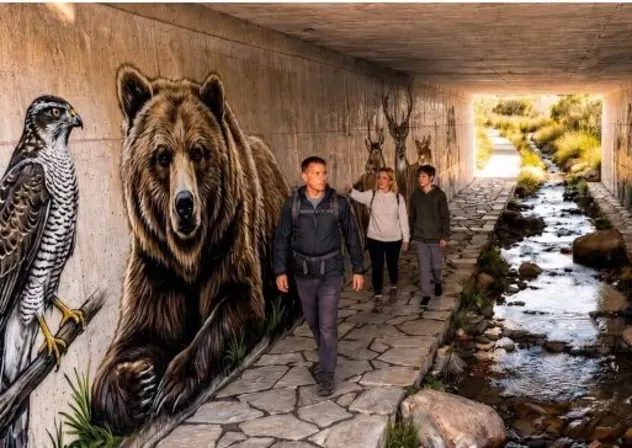

Quarter of a billion shekels for Israeli nature: These are the sites that will receive upgrades
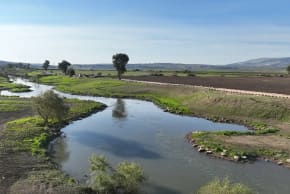
Nature protection project aims to revitalize northern springs and landscapes

Pumping water and prioritizing agriculture threatens ecological collapse
Why is Israel still drowning in garbage?
Environmental Affairs: Despite new recycling strategies, Israel remains a world leader in the production of waste per person.

Elephant extinction could have major impact on atmospheric carbon levels, researchers say
The possible extinction of these giants found in the wild could have detrimental effects on the environment.

Israeli scientists find combined weight of all bugs on Earth - study
The collective weight of terrestrial arthropods is about 1 billion tons, which is roughly the same as the weight of all people and farm animals on Earth combined.

Fireworks are damaging to wildlife, environment, pets, study finds
A study at Curtin University found that fireworks have bad ecological effects around the world.

Primate ancestors survived extreme climate change 50 million years ago - study
According to new research out of the University of Kansas, early primates were able to adapt to life in the warm climate of prehistoric Canada.

Australian park rangers say 'Toadzilla' could be world's biggest toad
Dubbed "Toadzilla," the cane toad was spotted by "shocked" park ranger Kylee Gray during a patrol in Conway National Park in Queensland.

WWII shipwreck leaked pollutants into sea, changing ocean floor around it - study
Shipwrecks often contain hazardous materials - explosives, petroleum, and other substances that could be harmful to the oceanic environment.

Orcas hunting a great white shark were captured on camera for the first time
According to a 2019 National Geographic article, orcas likely target shark livers because they're "high-fat and delicious."

How many ants are crawling on Earth? Scientists say 20 quadrillion
Researchers have made the most thorough assessment to date of the global population of ants—insects that have colonized almost everywhere on the planet.

Land mammal food webs have declined by more than half in past 130,000 years - study
Food webs are what influence the ecosystem's functionality, describe the relationships between species in an ecosystem and allow more species to co-exist by regulating certain populations.
