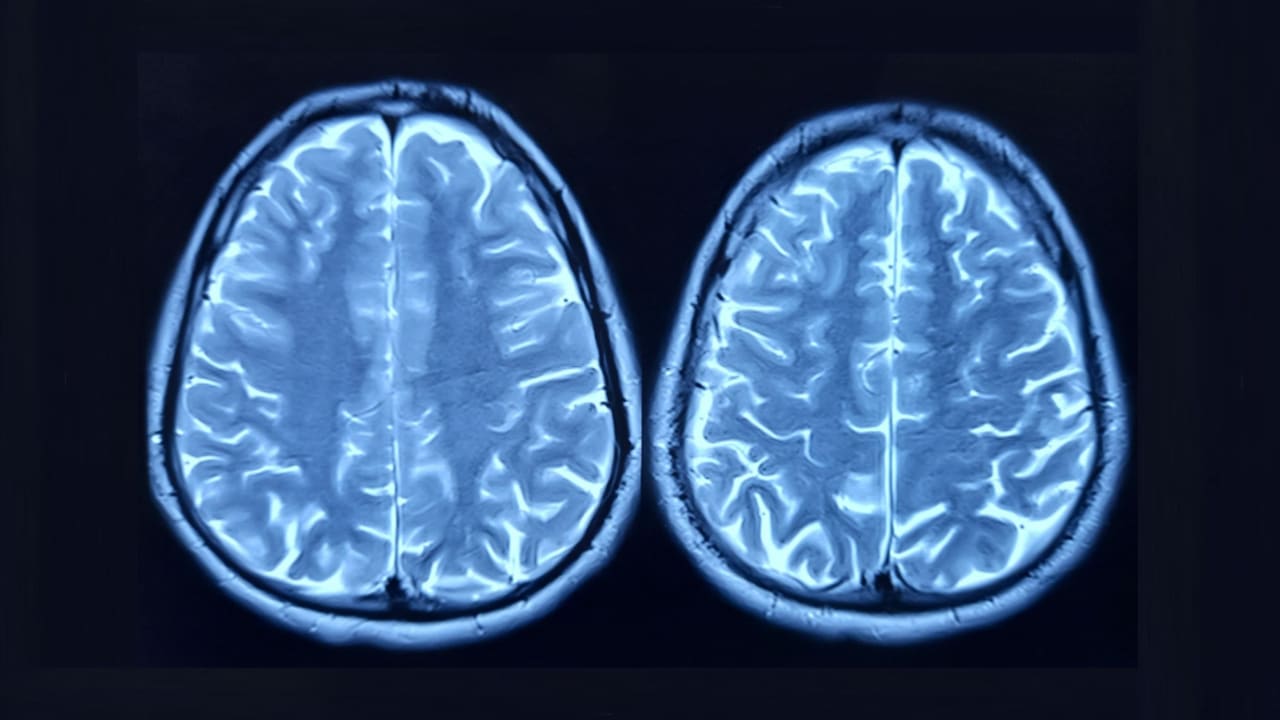
A study in Nature Communications traced measurable brain changes to the COVID-19 era. Researchers reviewed MRI scans from nearly 1,000 UK adults and found that those imaged after the pandemic began showed structural alterations equal to roughly 5.5 additional months of aging when compared with a pre-pandemic control group.
The team drew on the UK Biobank, which has gathered health data and imaging from 500,000 volunteers since 2006. “We used this large dataset to teach our model what typical, healthy brain ageing looks like across the adult lifespan,” said first author Ali-Reza Mohammadi-Nejad, according to NBC News.
Using 15,334 healthy scans, the scientists trained a machine-learning model to calculate a “brain-age gap,” the difference between predicted brain age and actual age. They then applied it to 996 adults who underwent two MRIs about 2.3 years apart. For 564 participants both scans occurred before 11 March 2020; for 432, the second scan took place after that date.
“The most surprising finding is that even people who did not contract COVID-19 showed an increase in the rate of brain aging during the pandemic period,” said Mohammadi-Nejad. The authors linked the change to stress, isolation, reduced physical activity, and lifestyle shifts such as higher alcohol use.
Ten cognitive tests administered at the time of scanning revealed poorer performance only among individuals who had been infected with SARS-CoV-2. “The most intriguing finding in this study is that only those who were infected with SARS-CoV-2 showed any cognitive deficits, despite structural aging,” said clinical neuropsychologist Jacqueline Becker of the Icahn School of Medicine at Mount Sinai, according to NBC News.
The aging signal was strongest in older adults, men, the unemployed, and people with low income or limited education. Mohammadi-Nejad noted that UK Biobank volunteers are generally healthier and wealthier than the wider population, which could mean the study underestimates effects in more vulnerable groups.
Experts urged caution. “The average gap—roughly five months—may not translate into noticeable problems in everyday life,” said Masud Husain, professor of Neurology and Cognitive Neuroscience at the University of Oxford.
The work covered only a UK cohort and did not show how long the changes will last. “It doesn’t show whether the accelerated aging seen in people who didn’t get Covid will persist long term,” said Columbia University neuropsychologist Adam Brickman, according to NBC News. He added that exercise, healthy blood pressure, sleep, and social interaction could help counter such shifts.
“This research reminds us that brain health is shaped not only by diseases but also by everyday environments,” said senior author Dorothee Auer of the University of Nottingham, according to Wow TV. The authors and outside commentators argued that future public-health planning should address isolation, anxiety, and financial strain to protect brain health during crises.
Produced with the assistance of a news-analysis system.