Publishing names and photos tied to war-crimes allegations without airtight verification has become a fast, repeatable way to endanger people, and it is corroding trust in journalism.
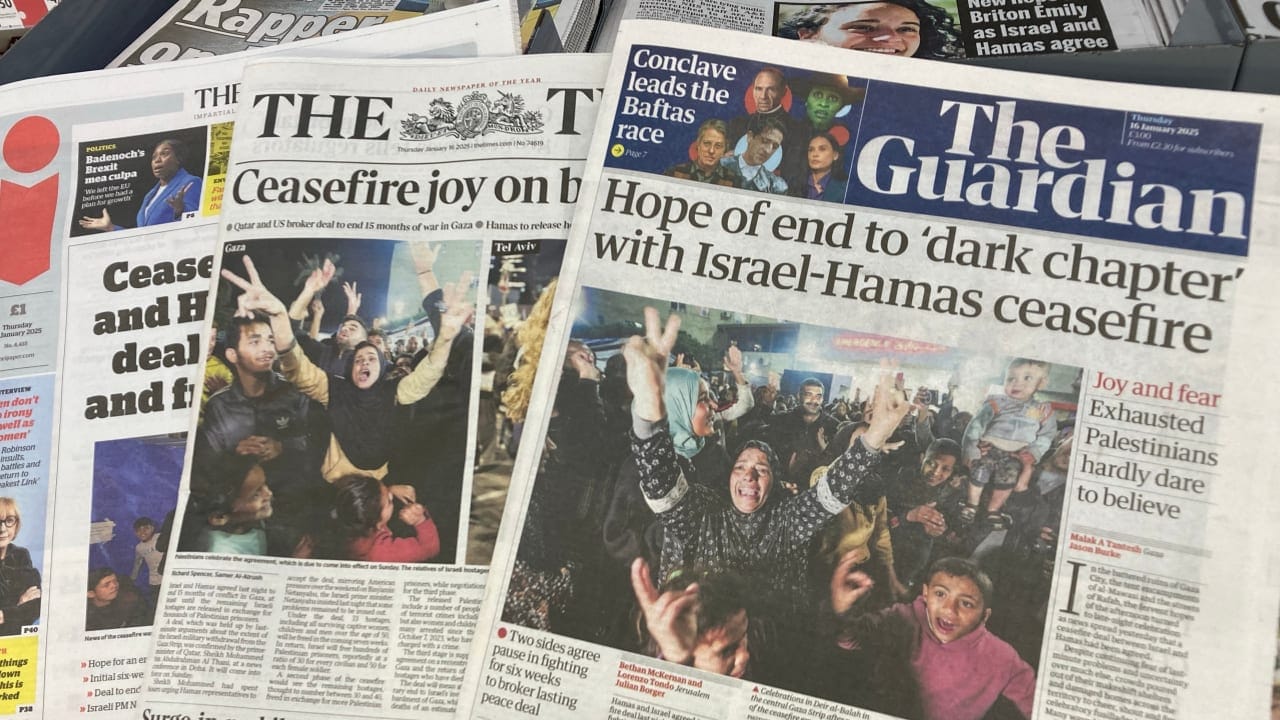
The latest example comes from our own reporting. On Sunday, Mathilda Heller reported that a German-Israeli IDF sniper took legal action after The Guardian and several German media outlets allegedly misidentified him, published his photo, and helped trigger a wave of online threats.
This case is important because it shows how modern “investigations” can turn into doxing at industrial scale. Doxing is the act of publishing identifying details, such as the full name, photo, workplace, family ties, and sometimes location, in a way that invites harassment. In a war context, doxing often spreads across languages and borders within hours through screenshots, mirror sites, Telegram channels, and “context” threads that rarely include corrections.
According to Heller’s report, the underlying Guardian investigation involved an IDF sniper referred to as “C.” and allegations about the killing of unarmed civilians in November 2023, based on an interview that was later posted online by Palestinian journalist and activist Younis Tirawi. The Guardian worked with Arab Reporters for Investigative Journalism and Paper Trail Media, and the reporting was amplified in Germany by major outlets, including Der Spiegel and ZDF, Heller wrote.
The problem begins when a newsroom chooses to attach a real-world identity to allegations it cannot fully substantiate. Heller reported that while “C.” did not name his partner, The Guardian identified a supposed partner, “G.,” and published his full name and photo “without any confirmation from the individuals involved.” If that description is accurate, it represents a hard failure of an editor’s most basic duty.

'The whole article is about my client, who wasn’t even there'
G.’s lawyer, Joachim Nikolaus Steinhöfel, told The Jerusalem Post: “The whole article is about my client, who wasn’t even there.” He said he had affidavits from commanding officers and from “C.” that “G.” was not present. The Guardian signed a cease-and-desist letter, agreeing to remove the name and photo, but the damage had already spread through other outlets and social media, Heller reported.
The legal details matter less than the pattern. A target gets named, the Internet treats the naming as proof, and the accused becomes searchable forever. The next steps often include threats, workplace consequences, and pressure on prosecutors and human-rights groups to “do something,” even when the identity is contested.
In this case, the European Center for Constitutional and Human Rights filed a formal complaint against “C.” and “G.,” and a German court issued an interim injunction against one publisher, with potential fines for noncompliance, Heller reported.
Is naming individuals essential?
Some newsrooms will argue that naming individuals is essential for accountability, especially in war. That claim carries weight only when the reporting meets a verification bar that is higher than ordinary political coverage, because the consequence is predictable: Named persons become permanent digital suspects, and their families often become collateral damage.
Journalism ethics already address this risk. The Society of Professional Journalists warns reporters to “consider the long-term implications of the extended reach and permanence of publication.” In the UK, the Independent Press Standards Organization’s Editors’ Code states: “The Press must take care not to publish inaccurate, misleading, or distorted information or images.” Those sentences read like a direct rebuke to any newsroom that publishes an identity first and audits later.
Editors can fix this. They can require identity verification standards that match the severity of the allegation. They can treat “right of reply” as a real step, with time, documentation, and an honest description of what remains unverified. They can stop publishing photos and full names when the public-interest case depends mainly on shock value or online virality. They can also correct with prominence that matches the original splash, because quiet edits do not travel as far as the initial accusation.
Israel and Jewish communities abroad should also read this as a security issue. When a soldier’s identity gets published, the fallout lands in Diaspora neighborhoods, at workplaces, and outside schools and synagogues. The image in Heller’s report, a protest scene in Melbourne, captures a reality that Israelis now face well beyond the battlefield.
War reporting should pursue facts with courage and humility. It should also respect the human cost of publishing a name. When a newsroom turns a contested identity into a headline, it creates a target list, and it hands that list to the angriest people online.