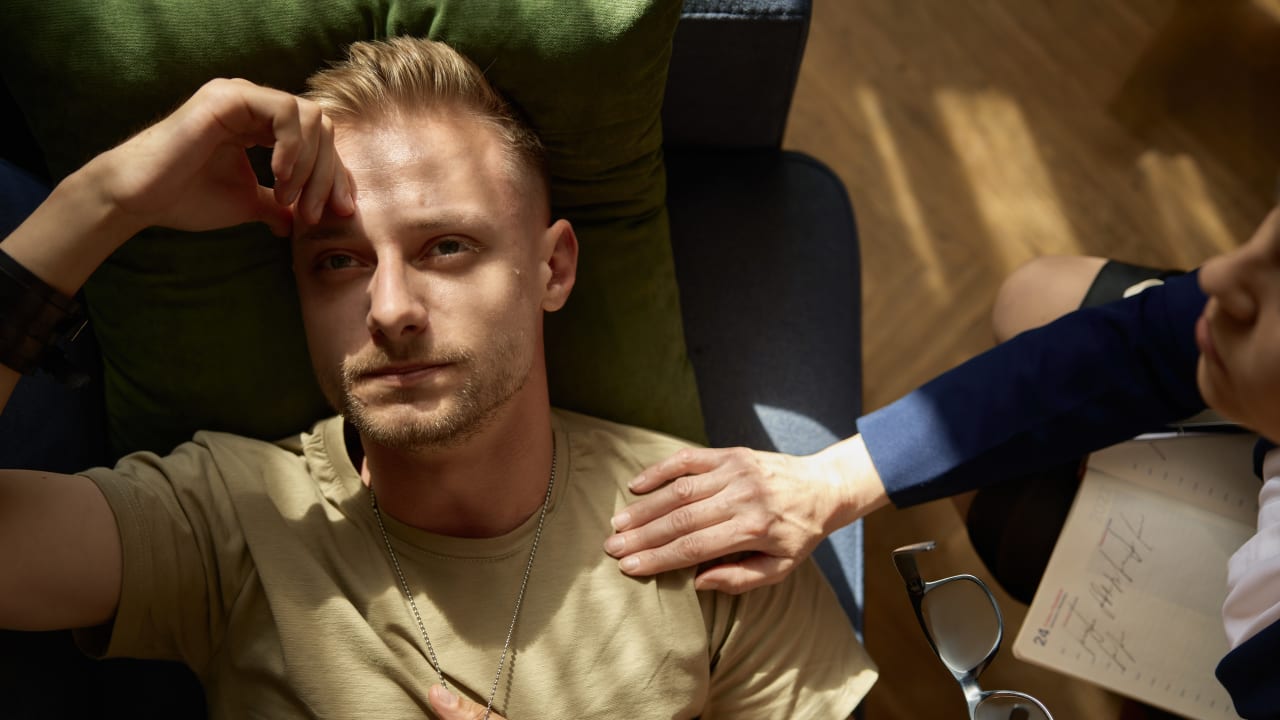
Israel has always fought visible wars – the kind that fill headlines, redraw maps, and test our resilience as a nation. But the war we are facing now is different. It is not fought with weapons or territory. It is fought within us: the silent, persistent battle of trauma that continues long after the last siren fades.
The State of Israel must finally recognize that the proper treatment of post trauma among soldiers and civilians is not peripheral to our recovery. It is central to our strength, stability, and future.
The cost of trauma
To have post trauma, you must first be posted. For the first time, we are beginning to reach that point. The dust is settling just enough for people to feel what they’ve been carrying. The survival instinct that once kept us moving is giving way to reflection and pain. The invisible wounds that have long been buried are now rising to the surface. Soldiers, survivors, parents, and children are beginning to confront what cannot be unseen or unfelt.
We are witnessing the cost of untreated trauma: rising suicides, veterans struggling to reintegrate, marriages collapsing, parents emotionally withdrawn, young people numbed by anxiety and despair. These are not isolated struggles. They are the echo of war reverberating through our homes, our workplaces, and our national psyche. Trauma doesn’t end when the fighting stops – it shifts form. A new battle begins – one fought in the nervous system, in sleepless nights, and in the quiet disconnection between loved ones.
Innovation in treatment
At Stella Israel, we believe this new battle can be met with innovation, science, and compassion. Healing requires precision and urgency. This will require both evidence and empathy, medicine and humanity. It means using every available tool: biological treatments that reset the body and promote neuroplasticity, therapies that rebuild emotional stability, and technologies that help people reconnect with purpose and meaning.
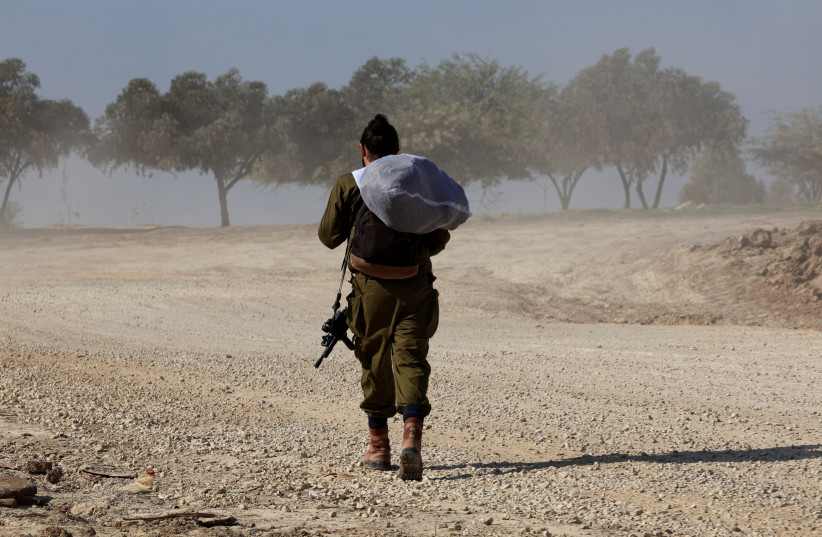
A few examples include the Stellate Ganglion Block (SGB), a very safe medical procedure approved by the Israeli Defense Ministry and the US Department of Veterans Affairs. It involves the precise injection of a local anesthetic at the base of the neck to calm the sympathetic nervous system and regulate the body’s overactive stress response, with tens of thousands of people finding relief from it in the United States, Australia, and Israel.
Another example is intravenous ketamine therapy, which has shown powerful results in reducing suicidal ideation and treatment resistant depression.
When these biological treatments are combined with comprehensive psychological care, community-based recovery, and emerging AI tools capable of personalizing mental health support at scale, the results can be transformative. Israel, a nation built on innovation and resilience, is uniquely positioned to lead this next frontier of trauma recovery. The roadmap is clear: integrate medicine, technology, and compassion under one unified national effort.
The state must act with the same resolve it shows in any defense mission. This is about survival – not only physical, but emotional and moral. Every untreated trauma weakens the social fabric; every healed life strengthens it.
The silent war of trauma is the defining challenge of our generation. For the first time, we are becoming truly “post,” ready to face what lies beneath the surface and ready to heal. The question now is who will join us – who will move with the necessary courage, speed, and unity to build an Israel that is not only protected but restored?
The writer is CEO of Stella Israel, treating people suffering from post-trauma and anxiety through the SGB procedure.