
Last week, I got a message on my phone from a client of mine. She was shaken by the loss of an acquaintance the previous day due to a sudden and fatal heart attack. She asked me how “someone who was not overweight – trim and seemingly fit – could have this happen?”
I briefly answered her that although it is true that being overweight or obese is certainly a risk factor for cardiovascular disease, and it definitely increases one’s odds of suffering a cardiac event, being normal weight alone doesn’t make someone heart attack proof.
There are many factors that contribute to heart disease, and weight is only one of those factors.
The Mayo Clinic cites data that 15-30% of thin people will get heart disease. Among factors causing heart attacks are high LDL cholesterol, high LP(a), high blood pressure, and smoking, as well as excessive stress and lack of sleep. With the exception of LP(a), all are usually controllable through lifestyle change.
So yes, a thin person can have a heart attack or stroke. In all cases, inflammation and oxidative stress play a major part, and again, what we eat, how much we exercise, and how well we sleep can greatly influence inflammatory markers.
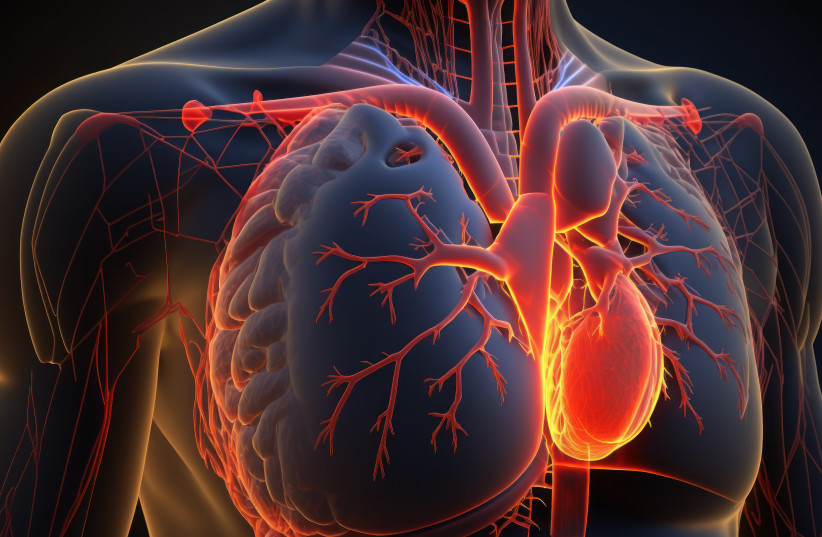
Heart disease is 90% preventable
There is a consensus among doctors who are focused on lifestyle in cardiology that, based on the extensive data we now have, heart disease is 90% preventable. That is a huge number, and if we were doing what was needed to prevent heart attack and stroke, our world would look very different. Heart disease has been the number one cause of death for over 100 years.
With over 800,000 people in the United States alone dying of heart disease annually – and countless others disabled from the disease – imagine if even 50% of this were eliminated.
How can we understand 800,000 people a year dying? Well, imagine 266 9/11 terrorist attacks a year. Or, imagine if 1,300 jumbo jets crashed in a year. We would all be in terrible shock and dismay. It’s time for us to have the same mindset about a highly preventable disease that is killing people daily.
As I have written in the past, genes, while playing a part, are not the main culprit in cardiovascular disease. It’s those six pillars: food, exercise, sleep, substance abuse, stress management, and good social connections. Unfortunately, our medical system is built to take care of problems after they occur, like firefighting. Preventive medicine is unfortunately on the back burner.
Proactive health
Hospitals have wonderful cardiac rehabilitation programs, but how about creating community hospital improvement programs, such as the late Dr. Hans Diehl promoted? Can’t we move our focus from stents, bypass surgeries, and medications toward prevention? If you have doubts on the prevention front, a study in the Journal of the American College of Cardiology by Hokyou Lee, Xiaoning Huang, Sadiya S. Khan, et al., discusses the predictability of heart disease.
In this study, researchers analyzed data from hundreds of thousands of cases of cardiovascular disease, heart failure, and stroke. They found that non-optimal blood pressure, cholesterol, blood glucose, or smoking was present in more than 99% of cases. Two or more of these risk factors were present in at least 93% of cases.
These are all conditions that can be prevented and treated mostly through lifestyle. According to the Physicians Committee for Responsible Medicine, the study calls into question claims that heart disease can happen without prior warning and shows that preventing these conditions may effectively reduce the rates of heart disease.
If you live in a country that offers them, a Cleerly test may be available to you. Think of it as a mammogram of the heart. This AI-enhanced scan will give you a very clear and early evaluation of where your cardiovascular health stands regarding ischemic heart disease. Do you have plaque? How much and what kind? As a result, you can make the appropriate lifestyle changes and medicate where indicated.
Taking responsibility for our health
I’ve said it before, and I will say it again. We need to take responsibility for our own health. Focus on the positive actions we can take. Yes, we all need to take things out of the diet that are harmful, but let’s focus on the positive actions we can do right now. We can start by adding another serving or two of fruits and vegetables. We can walk daily, and if you’re already walking, add five minutes to your walk or pick up the pace. Go to sleep by 11 p.m. The studies are clear on sleep and heart disease.
I’m proud of a client of mine who has cut way back on his smoking and is close to stopping completely. Can you cut the alcohol down to only a little bit on occasion? Cut down on your meat, chicken, and dairy. Everyone knows that the ultra-processed (junk) foods cause trouble. Make a few changes at a time, but stay focused.
We need to do something about the next possible victim of heart disease. It’s a new year on the Jewish calendar. It’s time to resolve as individuals and as a community to start making the changes necessary to finally put this rampant killer to rest and “add hours to your days, days to your years, and years to your lives.”
The writer is a wellness coach and personal trainer with more than 25 years of professional experience. He is a member of the international Council of the True Health Initiative and of the board of Kosher Plant Based and is director of The Wellness Clinic. alan@alanfitness.com