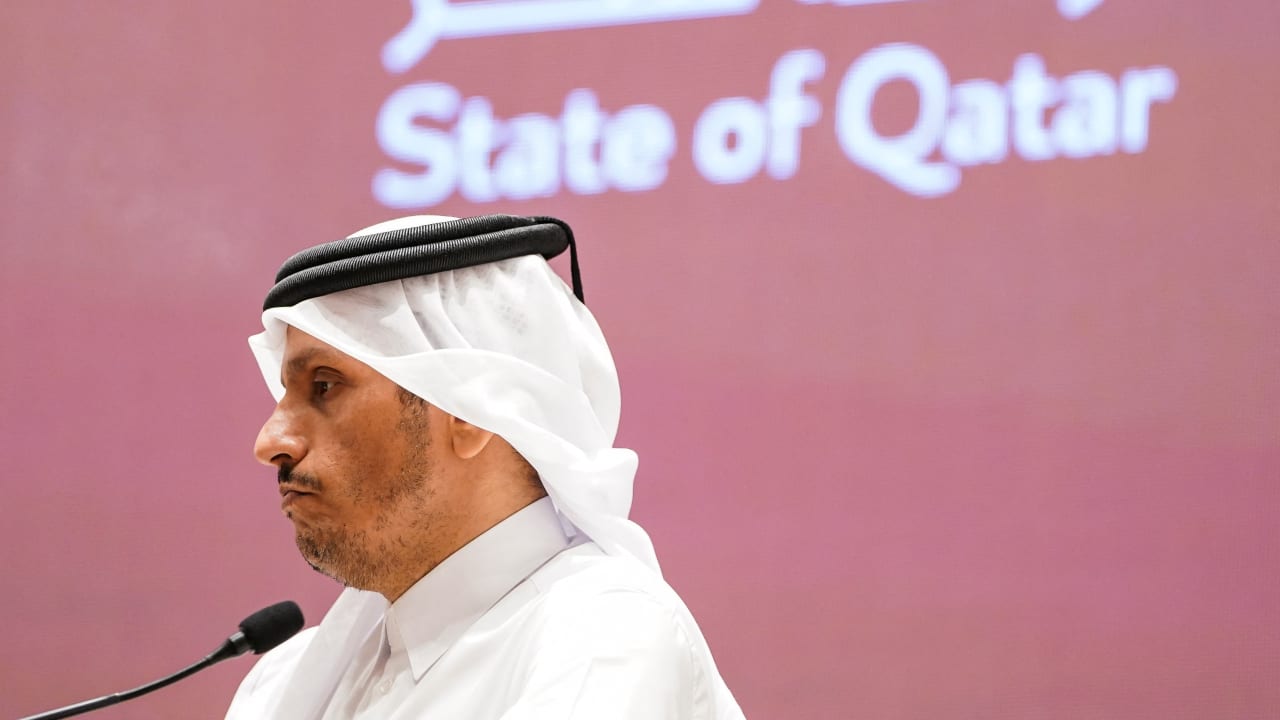
For years, diplomats and pundits have repeated a tidy line that Qatar is the Switzerland of the Middle East, a small and wealthy state acting as a neutral broker that talks to everyone when no one else can.
It sounds reassuring. But it is not true.
Qatar is not neutral, not restrained, and not an impartial mediator. Doha builds leverage by patronizing radicals, amplifying their voices, and then using those ties to present itself as indispensable. That may look like mediation. In reality, it is partisanship dressed up as neutrality.
Switzerland earned credibility through centuries of staying out of other people’s fights and by practicing consistent restraint. Qatar has chosen a different path. It hosts a critical United States air base while sheltering Hamas’s political leadership. It facilitates talks in plush hotels while its flagship media network broadcasts a line that often aligns with Doha’s preferences.
This is not balanced. It is hedging, a calculated gamble that keeps Qatar in every conversation precisely because it is entangled with the actors who can start or stop the violence.

Al Jazeera has produced serious journalism, and its reporters have taken real risks. It has also served as a megaphone for ideologues who mainstreamed sectarianism and conspiracy. That is not neutrality. It is narrative as statecraft. The network cheered uprisings where Doha welcomed regime change, and softened coverage where Doha valued stability. The result is an information ecosystem that advances a foreign policy, not an impartial public square.
Doha prides itself on talking to everyone. In practice, that has meant housing Hamas leaders, maintaining channels to the Taliban, and cultivating Islamist activists whom most governments avoid. Qatari officials call this “keeping channels open.”
The effect is different. When the same capital acts as host, banker, and mediator, it creates a patronage system, not a neutral forum. Money labeled as aid becomes leverage. Offices that should be temporary become permanent headquarters. Negotiations that should end conflicts become recurring appointments.
Qatar’s regional play has long favored Islamists and populist movements over status quo states. During the Arab Spring, it backed revolutionaries against rulers and earned short-term influence along with long-term suspicion. The rupture with its neighbors in 2017 did not come from nowhere. States do not blockade a neutral Switzerland; they do that to a country they see as an activist rival.
Defenders of Doha point to tangible deals. Qatar hosted the US–Taliban talks that produced the Doha agreement. It has helped arrange prisoner exchanges and humanitarian pauses. These are not trivial achievements. They are also transactional.
Too often, they reward hostage taking and assure militants that there will always be a deal to be had if the right pressure is applied. That is crisis management designed to keep Doha at the center, not peacemaking that removes incentives for violence.
Qatari neutrality clouds Western policy
This matters because the myth of neutrality clouds Western policy. The United States hosts its most important regional air command in a country that provides sanctuary to actors at war with US allies. European capitals praise Qatar as a facilitator even as Doha advances ideological agendas through cash, media, and access.
This contradiction breeds confusion. It invites the belief that a partisan broker can deliver a neutral outcome, and it tempts policymakers to outsource hard choices to someone who benefits when the crisis continues.
Calling things by their names is the first step. Qatar is a small state with big ambitions. It has mastered 21st-century influence, where money, media, and mediation can be woven into a single brand. That brand is not Swiss-style neutrality: It is power through proximity to radicals and through ownership of the rooms where deals are cut.
Policy should follow that reality. If Doha wants the prestige of brokering, it should accept the responsibilities that come with it. That means no safe haven for violent actors, genuine enforcement of financial controls that keep aid out of terrorist coffers, and verifiable steps that reduce rather than recycle the leverage of hostage takers.
The Switzerland label serves Doha well. It does not, however, serve the West or the cause of stability.