The famous story of Dunkirk in the Second World War is one of national unity in the face of existential peril.
In May 1940, more than 338,000 Allied troops were rescued from the beaches of France by a ragtag fleet of military ships and civilian boats, fishing vessels, ferries, and pleasure craft, all pressed into service not because it was profitable, but because it was right.
Yet it has been slightly mythologized over time, but the facts remain the same. As the Nazis encroached, the British people and their allies stood as one and helped each other to escape.
Israel this week has faced its own Dunkirk moment. And up until now, it has fallen short.
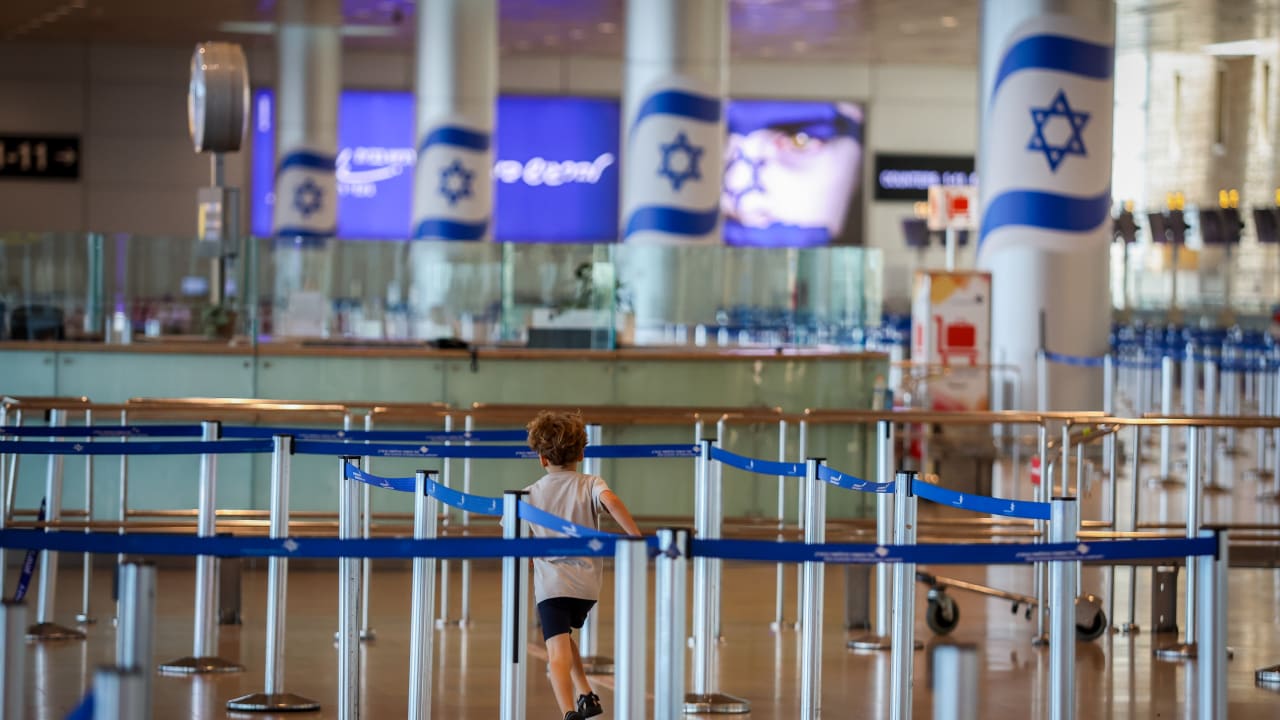
As the war continues and Israel’s airspace remains severely restricted, the number of flights operating in and out of the country is painfully limited – as of writing, just two per day. Rescue sailings are even rarer. For the thousands of Israelis stranded abroad – many of them with families still in Israel – the options to return home are dwindling, confusing, or impossibly expensive.

El Al, to its credit, is operating flights – but only for passengers who had their original bookings canceled.
Understandable, perhaps. But hardly a national rescue effort. Bank Leumi has chartered a boat – but only for its customers. This is not just disappointing; it is offensive. Are we now measuring rescue and return not by national identity but by bank affiliation?
Thousands of shekels for transportation to Israel
More galling still are the private actors profiting off of people’s misery. The Jerusalem Post has confirmed reports of travelers being quoted NIS 10,000 for a private boat transfer to Cyprus, another quoted €4,000 to cross the strip of water between Israel and the island.
Others have been offered entry into Israel via Jordan for $12,000. It is profiteering of the worst kind, capitalizing on panic, separation from loved ones, and the dislocation of war.
This is not who we are supposed to be.
Israelis are known, and rightly so, for pulling together in times of crisis. From the Yom Kippur War to October 7, our finest moments have often come not from power, but from solidarity. When the Iron Dome isn’t enough, it’s the human dome and our willingness to look after one another that defines us.
And yet now, instead of a people’s flotilla, we have a patchwork of corporate conditions and financial hurdles. The state is moving slowly. Private firms are moving cynically. And ordinary citizens – even journalists at this very paper – remain stranded with no clear path home.
Prime Minister Benjamin Netanyahu often compares himself to Winston Churchill when speaking of the Iranian threat. He channels the war leader who stood defiant against Nazi Germany, pledging victory at all costs. If that comparison is more than political theater, perhaps it’s time to invoke the spirit of Churchill’s people, too – the thousands of Britons who sailed across the Channel not for gain, but for duty.
Where is Israel’s “little boats” moment? Where are the private shipping companies willing to offer service at cost? Where are the businesses, NGOs, and volunteer groups stepping in to help when airlines can’t? And where, most of all, is the government coordination to bring its citizens home? Not in drips, but at scale?
The anger felt at the pure stupidity of our Transportation Minister Miri Regev when she told those stranded Israelis, “You’re in chutz la’aretz [outside of Israel]. Enjoy yourselves,” cannot be underestimated. But then, Regev’s stupidity cannot be underestimated.
Operation “Safe Return” has begun, but it is nowhere near the scale or urgency required. A true national mobilization is needed. The people of Israel are not cargo to be prioritized by customer loyalty. They are citizens in need of their country.
This is a moment not just of war, but of identity. Will we choose solidarity over self-interest? Will we act as one nation or as islands of privilege?
Dunkirk was a national moment of action and conviction, born out of necessity. Israel must now decide what kind of nation it wishes to be in this hour of trial. One that rescues its own or one that leaves them to fend for themselves.