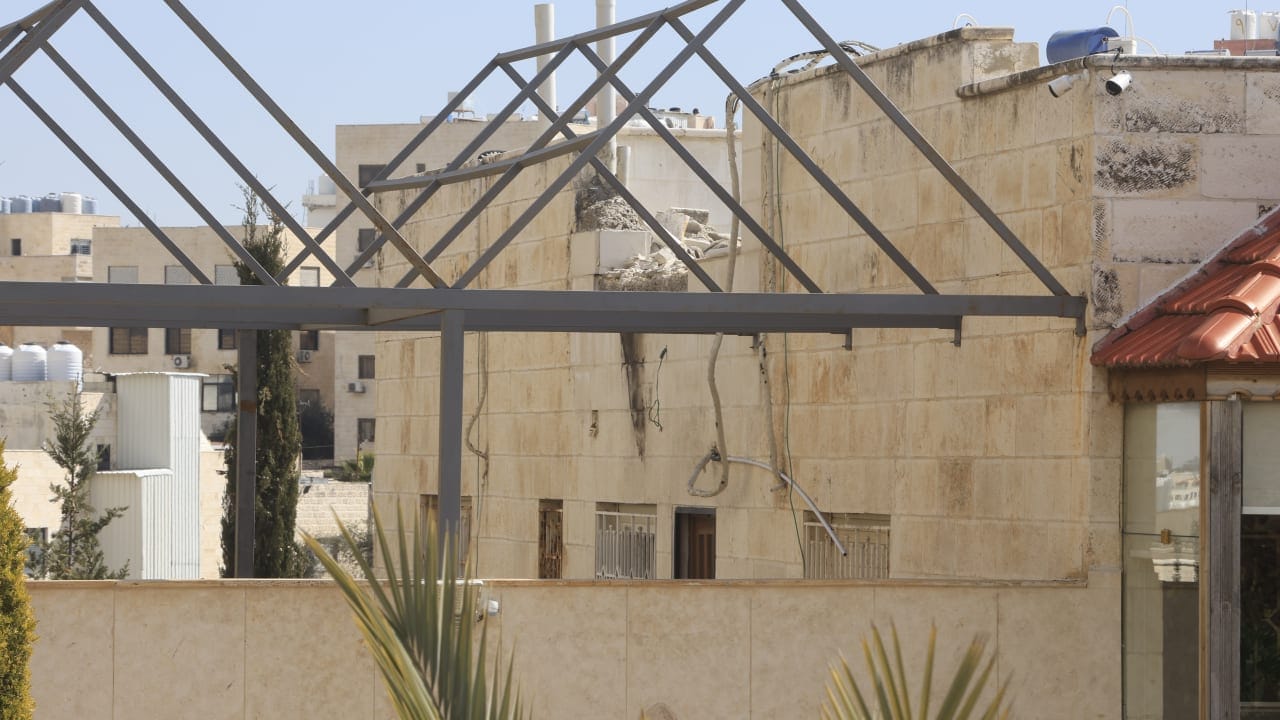
The Kingdom of Jordan has remained mostly out of the spotlight amid the recent Iran conflict. However, it has also suffered from the war, and it has been attacked by Iran.
Nevertheless, Amman keeps a low profile. Unlike neighboring Iraq, Jordan is calm. Yet, there are Iranian-backed militias not far from Jordan’s border in Iraq’s western Anbar province.
Jordan is a close friend of the Gulf states. It also has peace with Israel. In addition, it enjoys good relations with Syria.
However, the kingdom has been concerned about shifts in southern Syria, particularly among drug-smuggling gangs that have operated there. The Druze region in Sweida is near the Jordanian border, and the area has basically become autonomous in the last year, with Israel vowing to continue to back this continued Druze autonomy.
For Amman, this can present challenges because Israel’s demands for a demilitarized southern Syria mean that Jordan is worried about a power vacuum near its border. It has carried out airstrikes against drug-smuggling gangs that operate near the border and near Sweida in the past. These days, much seems quiet, and the kingdom prefers things stay this way.

Saudi Crown Prince Mohammed bin Salman met Jordan’s King Abdullah and Qatar’s Emir Sheikh Tamim bin Hamad Al Thani in Saudi Arabia on Monday. This comes after Riyadh also held a call with India and talks in Pakistan, where mediation regarding the Iran conflict took place.
Also, Ukrainian leader Vladimir Zelensky was in the Gulf and in Jordan. “We visited Saudi Arabia, the United Arab Emirates, Qatar, and Jordan, and we also engaged with other states. NSDC Secretary Rustem Umerov remained in the region, where he will hold several more meetings,” Zelensky said.
He said he met with the king of Jordan and “we discussed potential partnership in the security sector, as well as the overall situation in the Middle East and the Gulf region.”
Middle East states discuss freedom of navigation, energy security
In Saudi Arabia, the Jordanian king also spoke about the latest developments in the region and the repercussions of the military escalation with Iran. They also discussed freedom of navigation and energy security. Al-Arabiya noted that “they also warned that continued Iranian attacks on Gulf Cooperation Council countries and Jordan, including the targeting of civilian and vital facilities, ‘constitute a dangerous escalation that threatens the region’s security and stability.’”
Furthermore, the meeting comes amid heightened tensions linked to the US-Israeli war with Iran. Several Arab and Islamic countries – including Saudi Arabia, Jordan, and Qatar – have faced repeated Iranian attacks since the conflict began on February 28, despite insisting they are not involved.
On March 28, Jordan’s Armed Forces and Public Security Directorate issued a statement noting that “22 missiles were launched toward Jordan in week 4 of the regional war; the Royal Air Force intercepted all but two, which landed in the east.”
The report also said there had been “64 incidents reported from missile and drone debris; one responder injured (moderate condition).”
Overall, Jordan has suffered 262 missile and drone attacks targeting the kingdom. Twenty of these “landed,” according to officials, meaning there were impacts. In addition, by March 28, there were 478 debris incidents recorded, with 25 total injuries. One person remained in the hospital, while all of the rest have since been discharged.
On March 25, Jordan had said it had seen intensifying fallout amid the Iran war with 15 incidents of falling debris handled in the past 24 hours. Five missiles had targeted the kingdom between March 24 and 25. Back on February 28, when the US and Israel launched strikes on Iran, Jordan had said it “strongly condemned today the Iranian attack on its territory involving ballistic missiles, as well as the attacks targeting the United Arab Emirates, the Kingdom of Bahrain, the State of Qatar, and the state of Kuwait.”