By early next week, the US military is expected to deploy sufficient ground forces to the Middle East to support a potential ground operation against Iran, a US official told The Jerusalem Post.
Asked whether such an operation would be authorized, another US official said: “All options are on the table. Everything depends on the president’s decision.”
In recent days, US officials have indicated in closed-door discussions that “if the Iranians do not pursue a diplomatic path, there will be escalation, including the possibility of a ground operation,” according to two sources familiar with the talks.
Thousands of Marines and paratroopers are arriving in the US Central Command area in the coming days. In addition, the administration is considering deploying another 10,000 infantry troops to the region.
Among the options presented to the president is a plan to seize Iran’s Kharg oil island and conduct raids along coastal areas near the Strait of Hormuz, aimed at preventing Iran from targeting ships and tankers transiting the waterway.
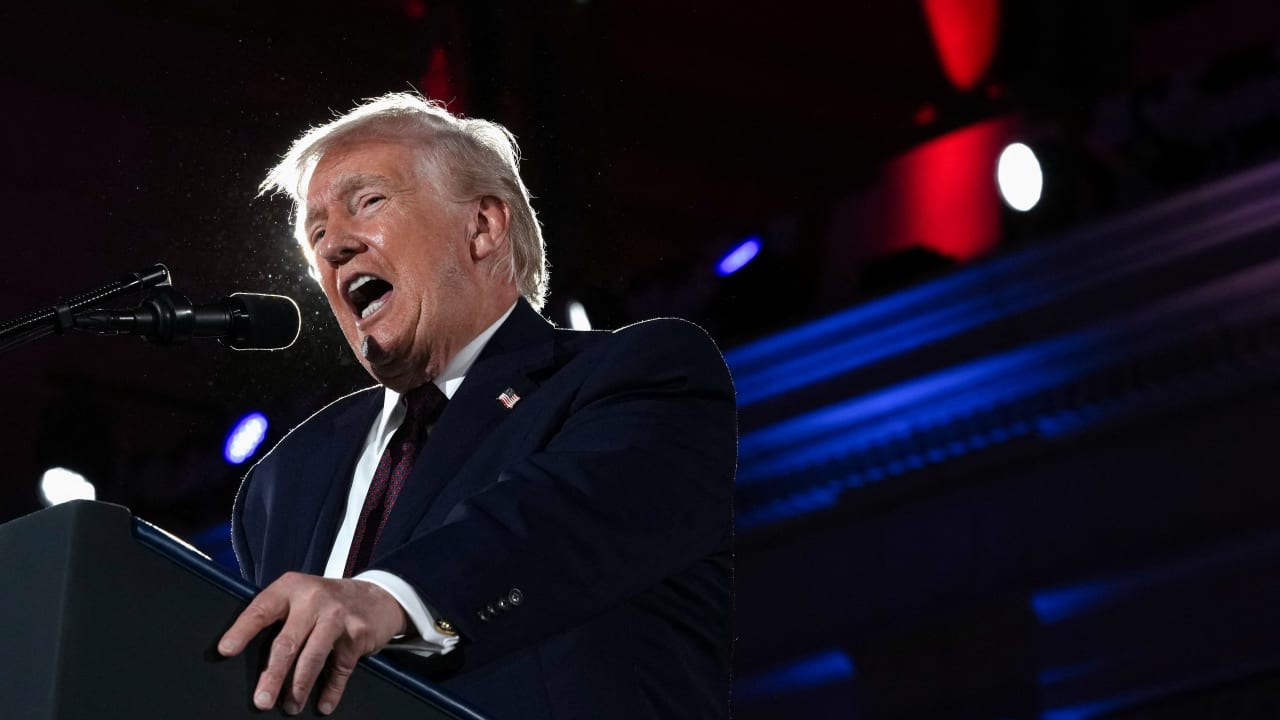
Iran has not yet responded to US President Donald Trump’s “15-point proposal,” which was delivered to Tehran.
Senior US officials told the Post that any such operation would take “months,” not “weeks,” but stressed that it would fall short of a full-scale ground invasion of Iran.
A source familiar with the negotiations said “the talks are serious, but progress is very slow,” adding that Iranian officials remain deeply suspicious of the United States.
Another source said there are no formal negotiations underway, only indirect exchanges of messages between the sides.
Both sources concluded: “At the moment, the chances of reaching an agreement between Tehran and Washington are low.”
Pakistani talks focus on reopening Strait of Hormuz
Pakistan hosted talks with Turkey, Egypt, and Saudi Arabia on Sunday as part of its efforts to broker an end to the Iran war, with initial discussions focused on proposals to reopen the Strait of Hormuz to shipping, sources familiar with the matter said.
Foreign ministers from the three regional powers landed in Islamabad for the talks as Iran warned the US against launching a ground attack, and global oil prices surged amid continued fighting between Iran, the US, and Israel.
The countries meeting in Pakistan have floated proposals to Washington tied to maritime traffic and reopening the Strait of Hormuz, five sources familiar with the matter told Reuters, as part of wider efforts to stabilize shipping flows.
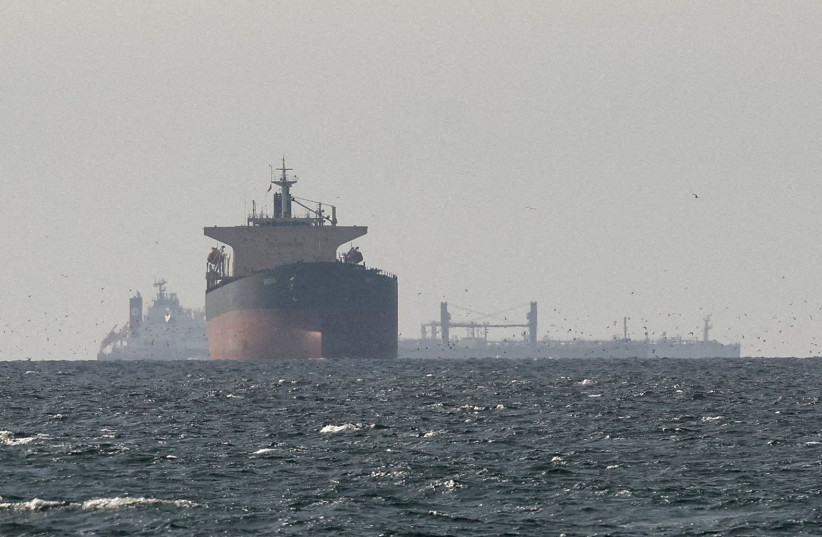
The Strait of Hormuz was previously a conduit for about a fifth of global oil and liquefied natural gas supplies, but Iran has effectively halted shipping flows through it in response to the US and Israeli air strikes that began a month ago.
Pakistan, which, like Turkey, borders Iran, has leveraged its close ties to both Tehran and Washington to emerge as a key diplomatic channel in the conflict, while Ankara and Cairo have also played a role.
A source from Pakistan said proposals, including from Egypt, had been forwarded to the White House by the countries before Sunday’s meeting and that they included Suez Canal-style fee structures.
Two other Pakistani sources said Turkey, Egypt, and Saudi Arabia could form a consortium to manage oil flows through the waterway, and had asked Pakistan to participate. The first Pakistani source said that Islamabad had not been formally asked to join and that it would not.
The proposal for a management consortium had been discussed with the US and Iran, the sources said. The first Pakistani source said the country’s army chief, Asim Munir, had been in regular contact with US Vice President JD Vance.
Egypt’s and Pakistan’s foreign ministries did not respond to a request for comment. The Saudi government media office and the White House did not immediately respond to a request for comment.
A Turkish diplomatic source said Ankara’s priority was securing a ceasefire.
“Ensuring the safe passage of ships could serve as an important confidence-building measure in this regard,” the person said, requesting anonymity.
Earlier on Sunday, Pakistan’s Foreign Minister Ishaq Dar held separate one-on-one meetings with his Turkish and Egyptian counterparts, stressing dialogue and sustained diplomatic engagement, the foreign office said.
Separately, Dar said in a post on X/Twitter that Iran had agreed to allow 20 more Pakistani-flagged ships through the Strait of Hormuz.