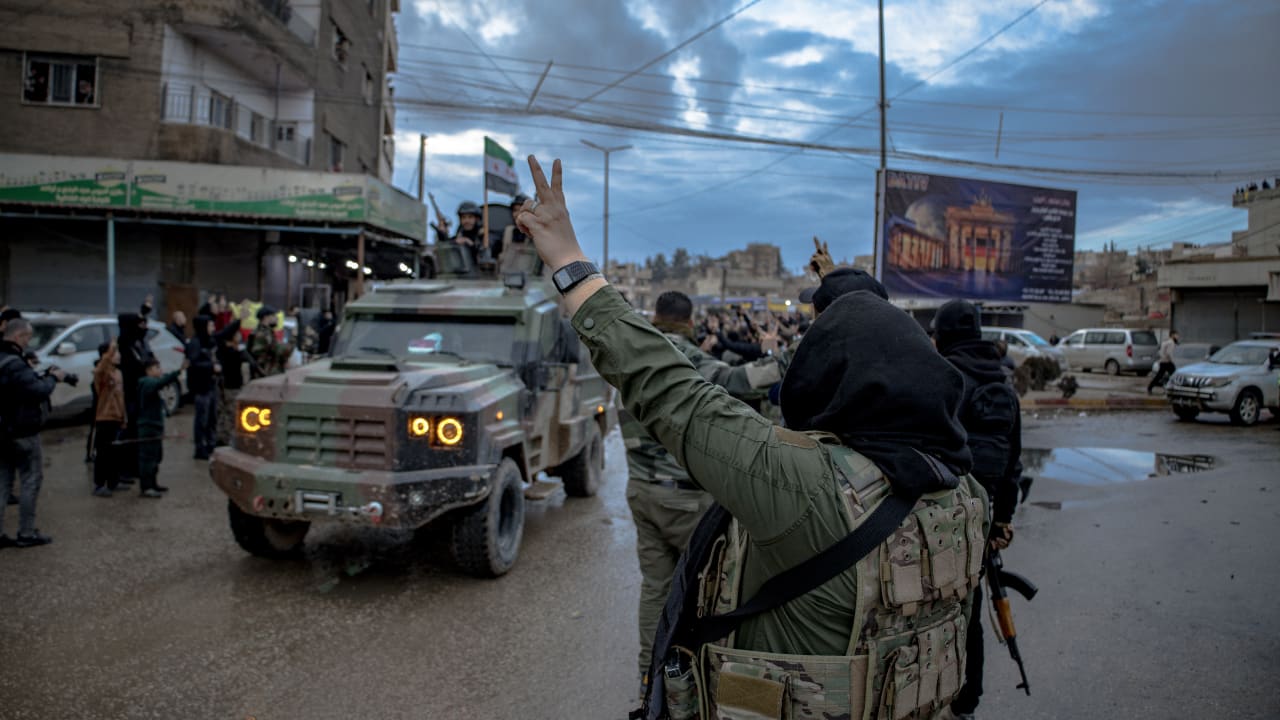
Syrian security forces have continued to move into areas in the east of the country that had been controlled by the Syrian Democratic Forces. As this is happening, Damascus is doing outreach to the Kurdish National Council, a Kurdish group in Syria. The changes on the ground are part of a January 30 deal between the Syrian Transitional Government and the Syrian Democratic Forces.
The deal envisions Syrian Interior Ministry forces moving into places such as Hasakeh and Qamishli, as the SDF continues to patrol in some of these areas. This is supposed to prevent more clashes and enable a transition to rule by Damascus.
The complexity of what is happening in Syria requires explanation. The Kurds in eastern Syria are historically divided, like all people, by politics. Some are on the Left and have been close to a group called PYD, which is linked to the armed group YPG. It formed the bases for the Syrian Democratic Forces, or SDF.
Many people argue the YPG is the Syrian version of the Kurdistan Workers Party (PKK). The PYD and others groups linked to it formed the basis for the creation of a civilian government in eastern Syria called the Democratic Autonomous Administration of North and East Syria (DAANES). This administered the areas that the SDF took over during the war on ISIS.

Many other Kurds in eastern Syria have been linked to the Kurdish National Council (ENKS/KNC), which was often oppressed by the authorities in the AANES. The KNC is closer politically to the Kurdistan Democratic Party that runs the Kurdistan autonomous region in northern Iraq. These are rival Kurdish movements regionally but the PKK and KDP do not get along. The KDP also has warmed ties with Turkey while Ankara views the PKK as terrorists.
In recent months, the Kurdish leadership in Erbil in northern Iraq has sought to help the Syrian Kurds as the SDF clashed with Damascus. Masoud Barzani has sought to support a deal that enables a peaceful transition of power and doesn’t result in Kurds being massacred or harmed. Kurdish media Rudaw says that “Syrian interim President Ahmed al-Sharaa on Tuesday received a high-level delegation from the Kurdish National Council (ENKS/KNC) in Damascus, as Syrian security forces deployed to the Kurdish-majority city of Qamishli under a newly implemented ceasefire agreement.”
This is part of the new developments in Syria where Damascus is doing outreach to Kurdish groups. From the point of view of Damascus the KNC would be an easier partner than some of the cadres linked to the YPG.
Al- Sharaa is attempting to show he will provide Kurds with equal rights
Sharaa has attempted to show he will afford Kurds equal rights. He “affirmed during the meeting the state’s commitment to ensuring the rights of Kurdish citizens within the framework of the constitution.”
Rudaw noted that the statement added that the ENKS delegation, led by Council head Mohammed Ismail, “welcomed Presidential Decree No. 13 and considered it an important step in strengthening rights and preserving cultural and social particularity. ENKS spokesperson Faysal Yousef also told Rudaw that the trip by the Kurds came “at the official request of the Syrian Ministry of Foreign Affairs.” The ENKS said that “the Kurdish issue is not just a regional issue, but a national issue for all of Syria.”
The ENKS/KNC hope that they can play a role in Syria’s future. With the changes in Qamishli and Hasakah and other places in eastern Syria they will now be more visible as a Kurdish political group.
Rudaw noted that “the meeting came as Syrian security forces on Tuesday entered Qamishli, marking the second phase of the operational implementation of an internationally brokered agreement reached last week between Damascus and the Kurdish-led Syrian Democratic Forces (SDF). A similar deployment took place on Monday in the nearby Kurdish city of Hasakah.” Syrian interim Foreign Minister Asaad al-Shibani also spoke with the ENKS delegation.