Additional publication restrictions in the investigation known as the “midnight parking-lot meeting” affair were lifted by the Rishon Lezion District Court.
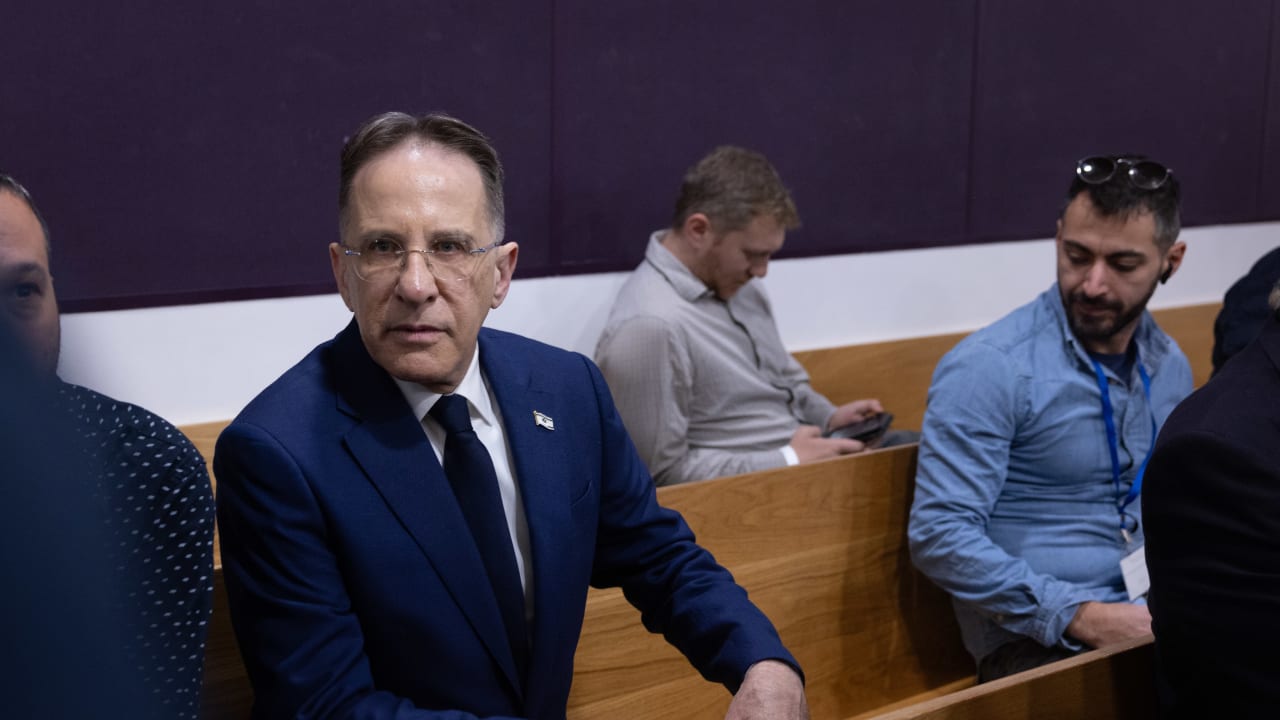
The Monday decision revealed that police suspect Tzachi Braverman, Prime Minister Benjamin Netanyahu’s chief of staff and designated ambassador, made use of sensitive information obtained through his official role in connection with the investigation into leaked classified materials published by the German newspaper Bild.
According to the court, investigators are examining whether Braverman received advance notice in October 2024 that authorities were probing the leak of classified documents to Bild and whether he subsequently acted on that information in a manner constituting misuse of office. The court clarified that the suspicion relates specifically to information Braverman allegedly obtained “in the course of fulfilling his regular duties.”
The investigation also centers on claims made by Eli Feldstein, a former spokesperson for Netanyahu, who has alleged that Braverman warned him in advance about the leak investigation, told him he knew who the suspects were, and suggested he could “shut it down.” Feldstein himself is a central suspect in the underlying Bild leak affair.
As part of the probe, police had previously questioned a senior IDF officer who served in the office of former IDF chief of staff Herzi Halevi. The suspicion against that officer was lifted last week.

Halevi, who gave open testimony, told investigators that the officer had served as a liaison between the IDF chief of staff’s office and the Prime Minister’s Office and was in contact with Braverman but said he did not believe the officer was responsible for any leak.
District court extends Braverman restrictions
In a separate decision last week, the district court extended restrictive conditions imposed on Braverman until February 10, including his removal from the Prime Minister’s Office and a no-contact order designed to prevent the obstruction of the investigation.
Under the ruling, Braverman is barred from communicating with Netanyahu, senior advisers Yonatan Urich and Feldstein, and spokesman Omer Manzur, as well as with three Shin Bet (Israel Security Agency) officials involved in the case, identified in court documents only by the initials H., A., and S., at least until mid-February.
The “midnight meeting” investigation forms part of a broader web of probes surrounding the handling of classified information inside the Prime Minister’s Office during the war, including the Bild leak case and the related “Qatargate” affair, which concerns alleged unauthorized contacts and information flows involving foreign interests. In earlier reporting, authorities described a late-night meeting in a parking lot as a key factual junction linking the various strands of the investigations.
Police have stressed that the inquiry is ongoing and that no indictments have been filed at this stage. Braverman has denied wrongdoing. The Prime Minister’s Office has previously said that senior staff act in accordance with the law and security directives.