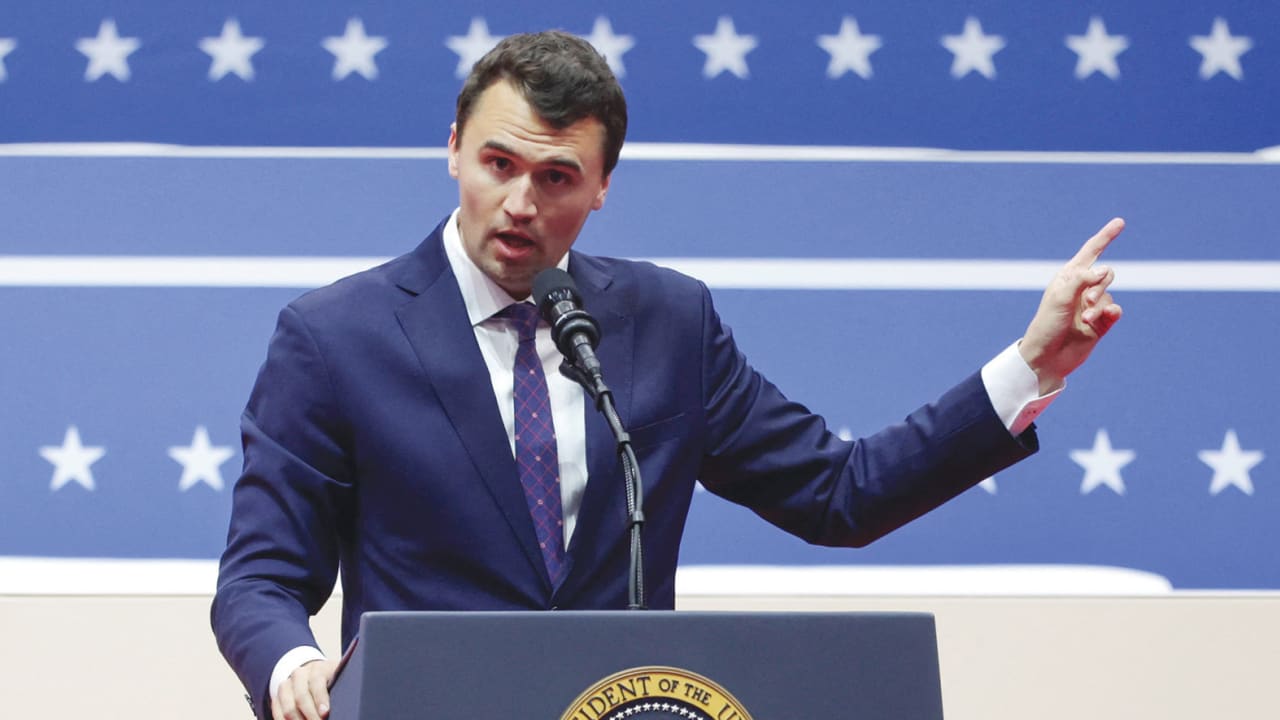
Israel is working to reshape its international messaging, according to recommendations outlined in a final letter from US Conservative activist Charlie Kirk, who warned Prime Minister Benjamin Netanyahu that the country was “losing the information war” among young Americans.
Working with the Prime Minister’s Office, officials are gradually implementing key elements of Kirk’s message, which highlighted growing concern over Israel’s deteriorating image among younger audiences in America.
Kirk’s letter, sent shortly before his assassination, stood out not only for its timing but also for its tone. Long considered a staunch supporter of Israel, Kirk, a prominent voice in the Christian evangelical and conservative movement, expressed deep concern over what he saw as Israel’s failure to communicate effectively with young Americans.
He described how, during campus events that drew thousands of students, questions about Israel were increasingly shaped by what he referred to as anti-Israel narratives. According to polling data he shared, nearly 50% of Americans aged 18 to 24 expressed sympathy for Hamas.
Kirk said the defeatist attitude of “Everyone already hates us, so what’s the point of trying?” had shaped Israel’s communication strategy. He called for Israel to move away from relying solely on American pro-Israel advocates and instead to develop a direct, independent voice to reach international audiences.

Jerusalem has since begun to reframe its understanding of the issue, recognizing that the challenge, in addition to combating misinformation, is influencing how young people perceive the Jewish state.
Rapid response team launched
In response, the government began establishing a rapid-response team to monitor online activity, identify negative trends in real time, and deliver counter-messaging. The team operates across government ministries and draws on techniques from US digital political campaigns.
In addition, a central “facts site” has been launched to provide background, legal context, and historical information related to Israel and the region. This site serves as a foundation for a broader network of digital platforms targeting specific audiences, including university students, evangelical Christians, Latino communities, liberals, African Americans, and Jewish Americans.
The initiative is expected to expand over the coming year, incorporating multiple languages, shorter digital content, and first-person testimonies.
Centering Israeli voices
One of the main elements of the new strategy is the “first voice” model, a shift toward using Israelis to tell their own stories. These include civilians, evacuees, reservists, and individuals from minority communities.
To support the effort, the government is providing influencers and other content creators with access to video production tools, editing services, and subtitling to ensure professional presentation.
The move reflects Kirk’s argument that simply asserting “Israel is right” is no longer sufficient in shaping public opinion. He wrote that, instead, audiences must “see faces, hear personal experiences, and feel humanity.”
Delegations and digital diplomacy
Recent delegations to the United States, including survivors of Hamas captivity and individuals wounded in conflict, are part of the broader push to share Israel’s story with American audiences. Participants have appeared in US media, taken part in interviews, and spoken publicly – an approach that closely mirrors Kirk’s recommendations.
Unified messaging structure
In another significant move, the government has adopted a unified communications model similar to that of the White House.
A single spokesperson now serves as the central point for foreign media messaging, eliminating the previous fragmentation between spokespeople from the IDF, the Foreign Ministry, and the Prime Minister’s Office.
Shosh Bedrosian, the Prime Minister’s spokesperson for foreign media, took on the role just days after Kirk’s letter and his subsequent killing. She now delivers briefings and statements almost daily.
The decision to centralize media messaging is seen as a key step toward consistency, clarity, and focus in Israel’s international outreach efforts.