
Israel Railways is preparing to break ground on what is considered the largest infrastructure project in the company’s history — a high-speed rail line that would slash travel time between Tel Aviv and Haifa to just 30 minutes.
The Finance Ministry recently transferred NIS 300 million to the Transportation Ministry to advance the initiative, known as the Coastal Railway project. The line is part of a planned national high-speed rail network that stretches from Kiryat Shmona in the north to Eilat in the south. Completion is expected in 2029.
According to the Transportation Ministry, trains on the new line will be capable of speeds up to 250 kilometers per hour. The first phase will involve preliminary work on approximately 70 kilometers of track from Hof HaCarmel station in Haifa to the vicinity of Shefayim, following the completion of land expropriations. The line will be fully electrified.
The Coastal Railway will connect with a broader infrastructure plan aimed at developing a dual-track system linking Tel Aviv, Haifa, and Beersheba. The upgrade is intended to double the number of train lines between central Israel and outlying regions.
With a total budget of NIS 15.5 billion, the Coastal Railway is reportedly the most expensive transport project ever undertaken by Israel Railways.
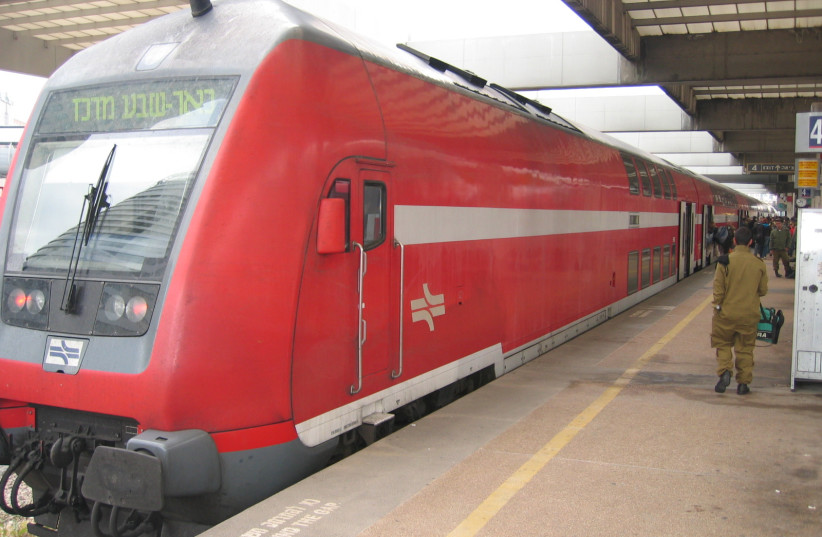
At the same time, construction continues on the Ayalon fourth track — another major project intended to increase the country’s overall rail capacity.
Transportation Minister Miri Regev said the project represents a significant advancement in the country’s rail system.
'Another step in the transportation revolution'
“Advancing the Coastal Railway project is another step in the transportation revolution we are leading, connecting the country’s metropolitan centers with its periphery,” she said. “A 30-minute ride from Haifa to Tel Aviv is no longer a dream — it’s a near-term goal.”
She said the ministry aims to reach approximately 300 million annual train journeys by 2040, five times the current volume.
Transportation Ministry Director-General Moshe Ben Zaken said the initiative will bring about “a true revolution in Israel’s transportation landscape and travel habits,” and will require coordination among all stakeholders along the route.