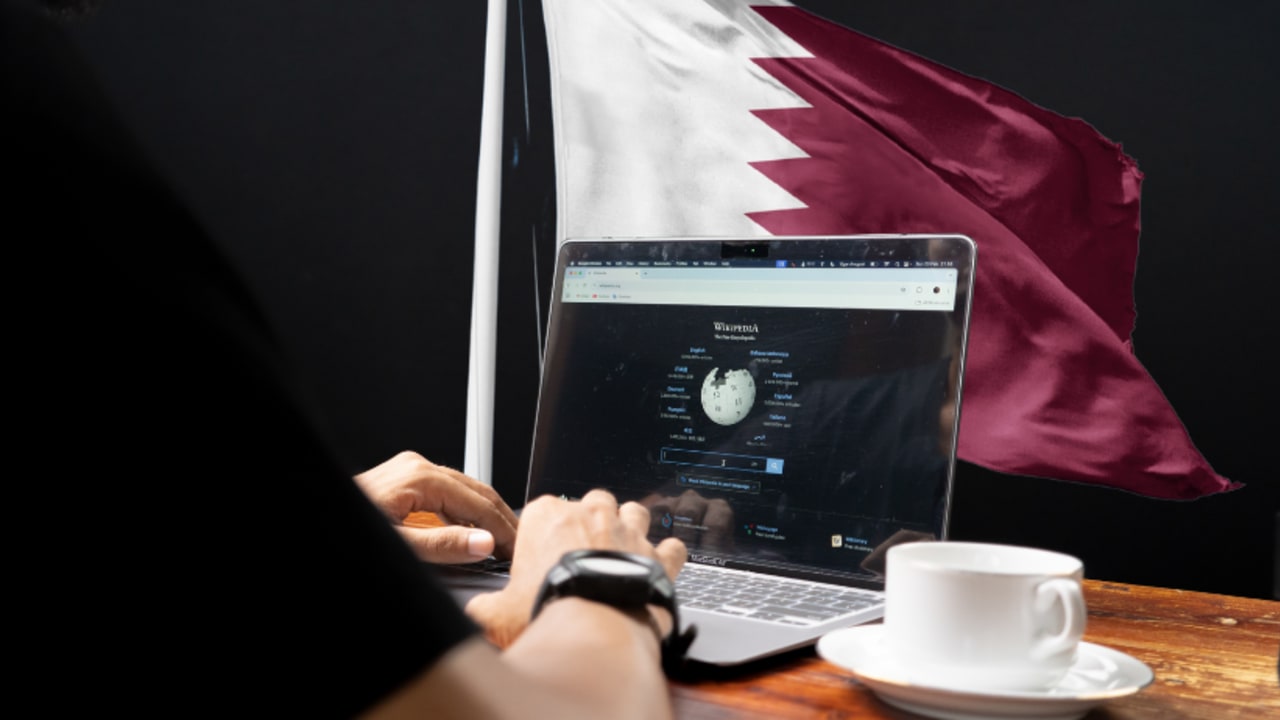
A London-based PR firm has been accused of making Wikipedia edits on behalf of Qatar, according to a report by The Bureau of Investigative Journalism (TBIJ).
TBIJ alleges that Portland Communications – which was founded in 2001 by the now-director of communications for Keir Starmer – was contracted to carry out “shady, paid-for edits” on Wikipedia. This process is also known as “wikilaundering,” and contravenes the British PR professionals’ code of conduct.
According to TBIJ, Portland Communications was awarded the lucrative contract with Qatar in 2013 to manage “government affairs through to nation branding.” The rebranding drive came after the announcement that the Gulf state would be hosting the 2022 World Cup, which put the country’s human rights violations under the spotlight.
Therefore, between 2013 and 2024, six Portland employees were reportedly tasked with aiding the Qataris with PR, part of which meant editing Wikipedia entries about the country. This was especially the case for pages about its human rights record, notably the building of the stadium which has been subject to criticism over human rights related violations.
TBIJ’s analysis concluded that several networks of accounts edited pages to promote positive coverage of Qatar, and also buried negative press under more favorable content.

This editing network was coordinated by a company named Web3, according to TBIJ. Web3 was founded by a Welsh web consultant, Radek Kotlarek, who, according to TBIJ, specializes in “black hat” Wikipedia editing, a word for pay-for-play changes. According to seven Portland insiders TBIJ spoke to, Kotlarek’s services were used by partners at Portland for about a decade.
TBIJ also linked a network of 26 “sockpuppets” – multiple accounts orchestrated by a single person – to Web3. The network was eventually banned from Wikipedia under suspicion of paid editing.
Other edits by the PR firm’s Web3 network included the removal of references to a case in which two Qatari billionaires were sued in the British high court for allegedly channeling funds to Jabhat al-Nusra, a Syrian terrorist group. In October 2019, the editors erased all mentions of the case from the page of the men’s business.
All of this led to a lawsuit last year. On April 24, 2025, 106 victims of World Cup construction projects (mainly migrant workers) sued Portland and its parent company Omnicom for helping Qatar hide its human rights record such that it aided human trafficking.
'Sportswashing' Qatar's public image
“This coordinated public relations and government relations campaign was a commercial venture designed to hide the labor abuse through ‘sportswashing’ Qatar’s image, taking advantage of Qatar’s role in the World Cup to mask its horrific human rights record,” the lawsuit read.
The workers claimed their passports were stolen so they could not leave Qatar and lived in substandard and extremely dangerous conditions while constructing the stadium. A huge number of migrants are believed to have died while working on the project, with some estimates exceeding 6,000.
Aside from Qatar, Portland also allegedly provided wikilaundering services to other high-profile clients, including the Gates Foundation. According to TBIJ, Web3 changed key details on the page for the Alliance for a Green Revolution in Africa (AGRA), a billion-dollar initiative from the Gates Foundation.
First, the editors changed the date by which the project had aimed to reach its goal of doubling the revenue of 30 million farmers, from 2020 to 2021. Then, they removed a reference to a Tufts University study showing that the project had failed to meet its own objectives.
Another interesting client was Libya’s wealth fund during the post-Gaddafi political fallout in Libya. During this time, assets controlled by the country’s sovereign wealth fund were frozen by the UN. Portland was reportedly hired to push narratives favorable to the Tripoli-based government over its Malta-based opposition throughout 2016.
However, the accusations of wikilaundering are not new for Portland and predate Web3. In 2012, MP Tom Watson discovered that Portland Communications had tried to remove references to Stella Artois, its client, from a Wikipedia page called “wife-beater.” The beer had become known for leading to aggression due to the high alcohol content.
At the time, the Chartered Institute of Public Relations (CIPR) said paid editing was a form of “digital dark arts” and labeled it a breach of conduct. It was after this scandal that TBIJ was said to outsource its editing work.
Following the publication of TBIJ’s report, CIPR called on public relations professionals to respect the rules of Wikipedia and the wider PR industry, which means never editing any Wikipedia entry on behalf of a client, except to remove vandalism.
“Editing Wikipedia on behalf of a client is unethical and incompatible with the CIPR’s Code of Conduct,” said Alastair McCapra, CIPR chief executive. “The rules are clear and paid advocates with a conflict of interest should not directly edit articles. PR firms must be clear with clients that public relations is about transparency and honesty, not manipulating shared sources of public trust.”
The CIPR has previously worked with Wikipedia to provide guidelines for practitioners on engaging with the Wikipedia Community.
The Jerusalem Post contacted CIPR and Portland Communications for comment.