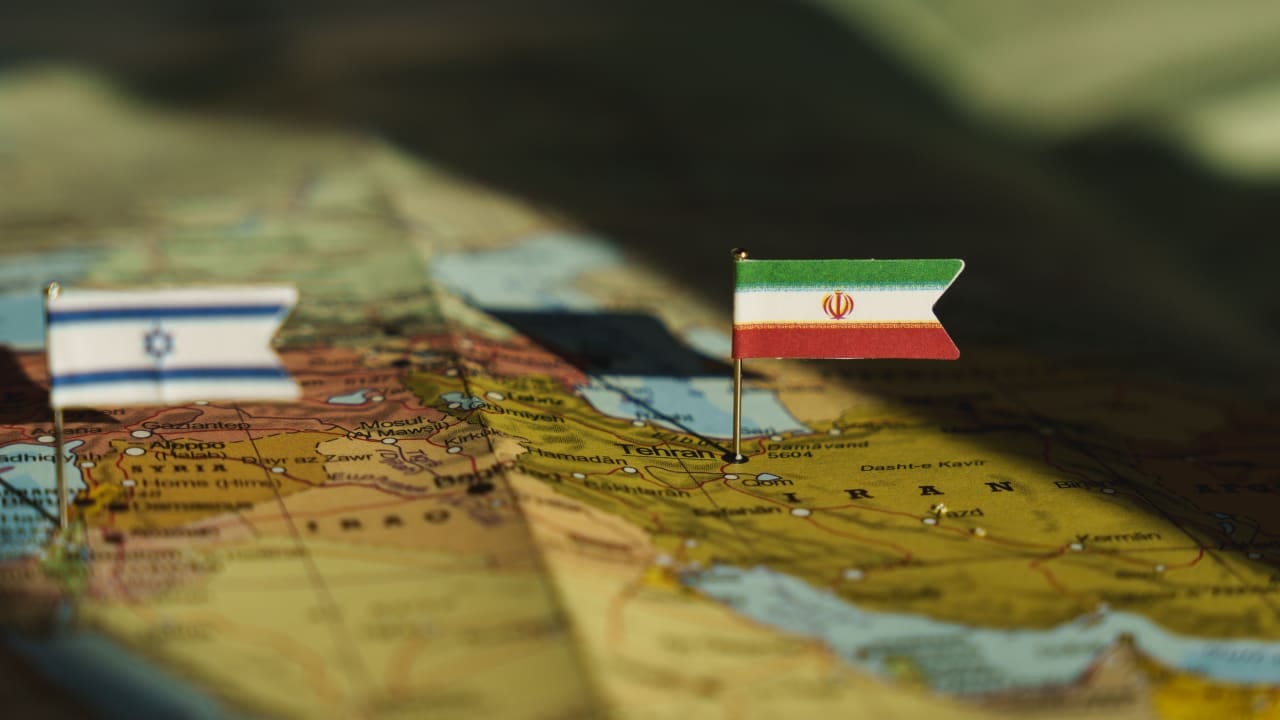
Before the recent series of protests in Iran began, Israel and Iran assured each other through Russia that they would not preemptively attack the other, The Washington Post reported on Wednesday, citing unnamed “diplomats and regional officials with knowledge of the exchange.”
The report comes as Iranians have taken to the streets in mass in protests that began in response to the country's economic situation. The demonstrations later grew to be in opposition to the regime, with grievances spanning from accusations of authoritarianism and human rights violations to increased inflation and a lack of water. Iranian authorities responded with deadly crackdowns, with some protestor death toll estimates reaching over 12,000.
On January 2, US President Donald Trump warned the Iranian government not to shoot protestors, writing that “the United States of America will come to [the protestors’] rescue,” although he did not specify a method. In response, Iran threatened retaliation against American targets, as well as Israel. Since then, fears of direct conflict between Iran and Israel resembling June’s 12-Day War have grown, and both countries have signaled that they are ready for war.
However, the quoted officials believe that Israel isn’t interested in increased conflict with Iran, attributing the communication to Israel’s need to focus on a possible escalation in the war with Hezbollah, and not wanting to be seen as “escalating tensions toward Iran or spearheading any new attacks against it.”

Israel warns Hezbollah to disarm
Lebanon, which signed a ceasefire with Israel in November 2024 following a year of Hezbollah rocket attacks on Israel’s North and an Israeli ground invasion, agreed to disarm Hezbollah and other armed groups south of the Litani River.
Last Thursday, the Lebanese Armed Forces (LAF) claimed that they had completed the process of Hezbollah’s disarmament, although Israeli Prime Minister Benjamin Netanyahu dubbed its efforts “far from sufficient,” citing attempts by Hezbollah to rebuild its infrastructure.
Since the ceasefire went into effect, Israeli forces have struck Hezbollah targets south of the Litani numerous times, citing the Iranian-backed terrorist group’s continued presence in the area as a ceasefire violation.
Iran, which has backed Hezbollah extensively, went as far as to launch missiles at Israel in October of 2024, following the assassination of Hezbollah secretary-general Hassan Nasrallah.
According to the officials quoted by the Washington Post, while “Iranian officials responded positively to the Israeli outreach, they were wary of Israel’s intentions,” as the unofficial agreement didn’t exclude the possibility of an American strike on Iran.
They also reportedly viewed staying out of an Israel-Hezbollah conflict as “a good deal” for Iran, whose support for the Lebanese terrorist group has declined since its decimation in 2024.