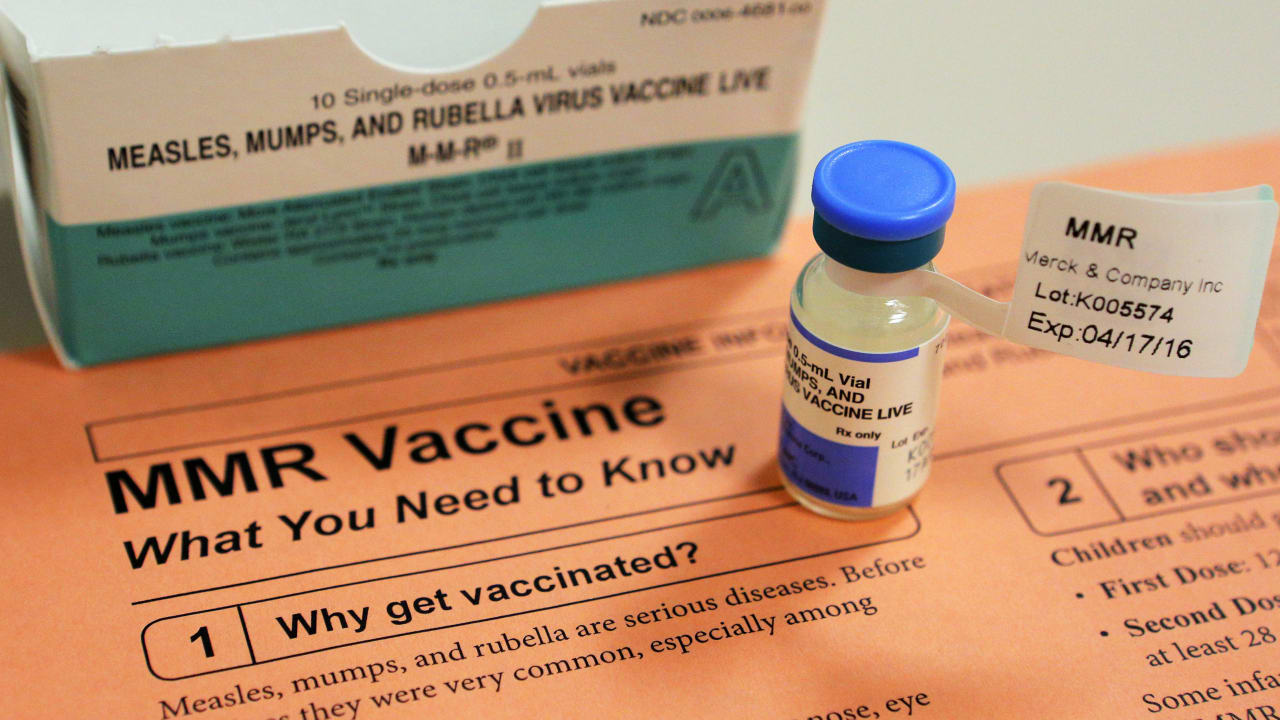
A sharp rise in global measles cases has prompted a renewed warning from the World Health Organization (WHO), which links the surge to declining vaccination rates in numerous countries.
In Israel, health authorities are grappling with a local outbreak that has already claimed the lives of 11 children and led to thousands of infections since the start of the year.
The WHO said the current spread of measles may be the first signal of additional outbreaks involving other vaccine-preventable diseases.
Measles is an extremely contagious viral disease with no cure. According to the WHO, the virus is so infectious that even a small decline in vaccination rates can spark widespread transmission. It is often the first disease to resurface when population immunity drops below the level needed for herd protection.
The WHO uses measles outbreaks as an early indicator of stress in national immunization systems. As measles spreads, similar gaps in vaccine coverage typically appear in relation to diseases such as diphtheria, pertussis (whooping cough), and polio, the organization said.

Data released by the WHO show that in 2024, approximately 12 million measles cases have been recorded globally. Over 50 countries have reported large-scale outbreaks, including several that had previously interrupted local transmission. That status, based on the health system’s ability to contain imported cases, has been compromised by falling immunization rates.
The WHO stressed that measles does not emerge in isolation. When it begins to spread, other vulnerabilities in vaccination programs often surface, increasing the likelihood of additional outbreaks.
Measles outbreak in Israel on the rise, vaccination declining in haredi communities
The situation in Israel is particularly serious. Since January, hundreds of children and adults have contracted measles, and 10 children have died. Several patients have developed severe complications, including pneumonia and encephalitis, both associated with measles and especially dangerous in unvaccinated infants and young children.
Health Ministry officials have identified significantly reduced vaccine uptake in some haredi (ultra-Orthodox) communities as a major contributor to the outbreak.
Authorities are urging families to review their children’s immunization status and ensure that two doses of the measles vaccine are administered according to the national vaccination schedule.
The WHO has called on countries to strengthen their vaccination campaigns, expand access in remote and underserved areas, and increase public awareness about the importance of immunization.