New Protection for Israel’s Children
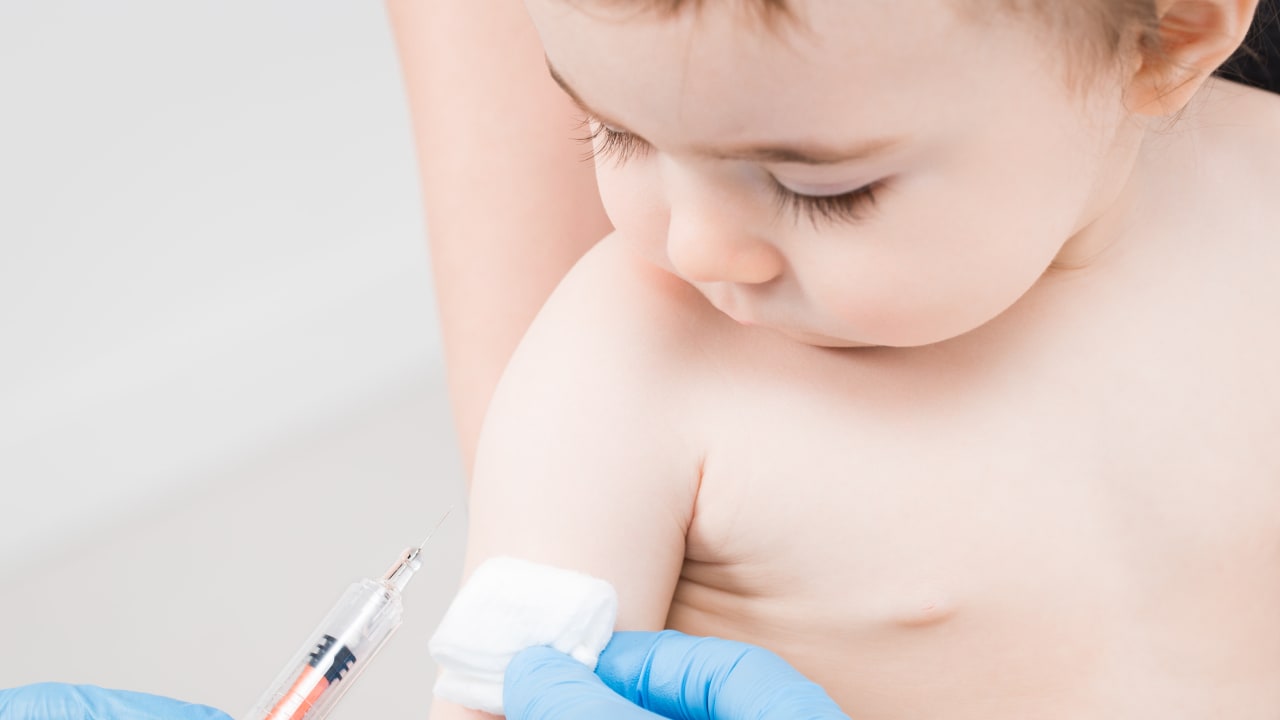
Israel’s vaccination campaign for infants against the deadly respiratory syncytial virus (RSV) is set to begin this week. The new vaccine has been added to the Healthcare Basket.
The Health Ministry said it would start briefing nurses and doctors on the vaccine and its administration protocol for infants on Tuesday.
The Beyfortus vaccine replaces the older Synagis vaccine, which was previously given only to premature babies and infants with heart conditions.
Synagis requires monthly doses due to its short-lasting protection of about one month. The new single-dose Beyfortus vaccine provides directly injected passive antibodies with season-long immunity.
Infants born between August and March may be vaccinated in hospital maternity wards before being discharged, the Health Ministry said.

Infants who were born between April and July may receive the vaccine at Family Care Centers (Tipat Halav) in August, September, or October.
The immunization can be given alongside routine immunizations, with the only restriction being a maximum of four injections per visit, i.e., one in each arm and leg.
Why is RSV dangerous?
Unlike traditional vaccines, which stimulate the immune system to produce its own antibodies, Beyfortus delivers ready-made monoclonal antibodies that directly target and neutralize RSV before it infects respiratory cells. This provides immediate protection, making it ideal for infants whose immune systems are still developing, the Health Ministry said.
RSV is one of the most common respiratory viruses in infants and young children. It often causes cold-like symptoms, but it can rapidly worsen into bronchiolitis or severe pneumonia in babies, sometimes requiring ICU hospitalization and posing life-threatening risks.
In Israel, RSV primarily circulates in winter, but cases can also occur in fall and spring.
“This vaccine is a true medical revolution for Israel’s infants,” Dr. Doron Dushnitzky, a pediatric specialist and RSV vaccine coordinator at Leumit Health Care Services, told Maariv. “It will significantly reduce illness from this aggressive virus, which can push babies into critical ICU conditions or worse. By vaccinating all infants, we’ll create herd immunity, curb viral spread, reduce infections, and may even protect elderly family members in contact with children.”